
Winnetka was built on a thesis that has held for more than a century — that proximity to water, good schools, and quiet streets is worth paying for. The thesis remains sound. What has changed is the price of admission, and it is no longer measured only in the cost of the house.
The North Shore is among the most accomplished residential corridors in the country. Homes in Winnetka trade at a median near two million dollars, with lakefront estates moving well past four. The community feeds New Trier — one of the highest-rated public high schools in the nation — and its tree-lined grid has been a destination for Chicago's professional and executive class for generations. None of that is in dispute.
What deserves examination is the carrying cost. Illinois now imposes the highest combined state and local tax burden in the country. The property tax rate across suburban Cook County's North Shore runs between 2.3 and 2.6 percent of value — a figure that compounds quietly, year over year, against the very asset the owner worked to acquire.
IThe arithmetic of staying
For a household carrying a meaningful income and a multimillion-dollar residence, the numbers are no longer a rounding error. A Winnetka owner with a two-million-dollar home faces roughly forty-eight thousand dollars in annual property tax before a single dollar of state income tax is assessed. Layer the 4.95 percent Illinois income tax atop that, and a high-earning household can surrender six figures a year to the privilege of remaining where it already lives.
The point is not that Winnetka is overpriced. It is that the recurring tax is permanent, and it is rising. The asset appreciates; so does the bill against it.
IIThe same water, at two-thirds the price
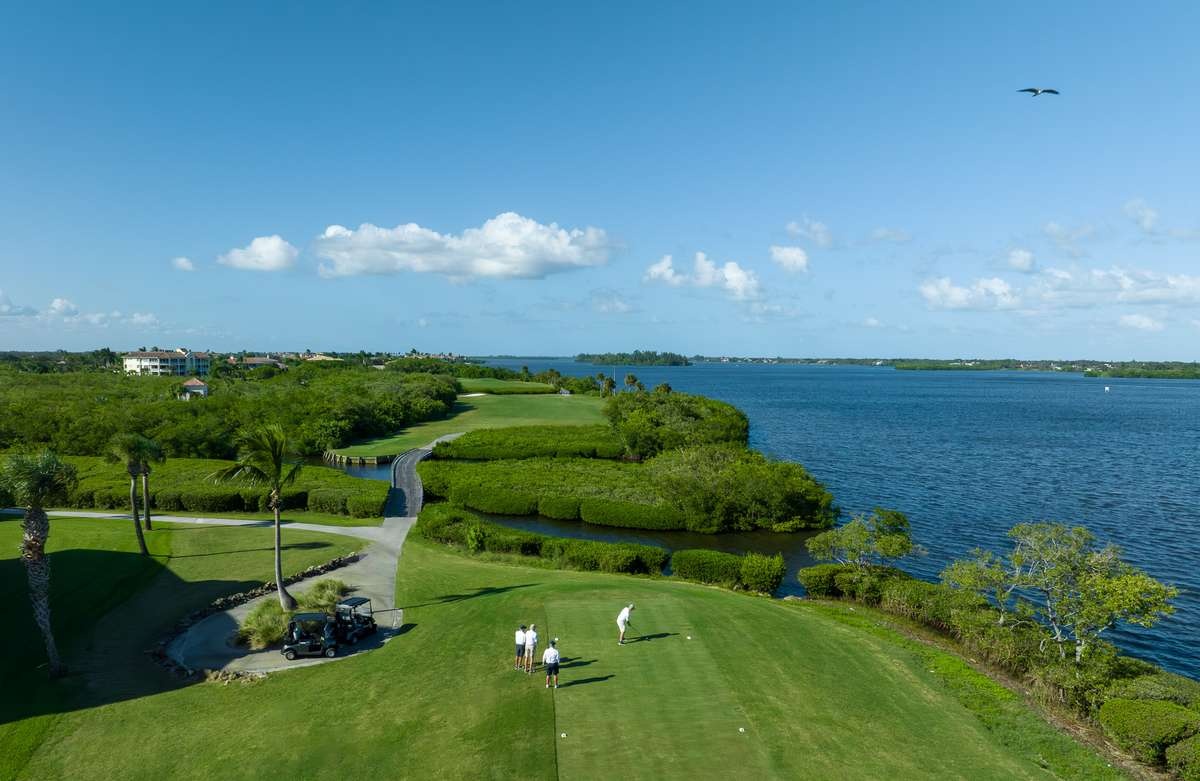
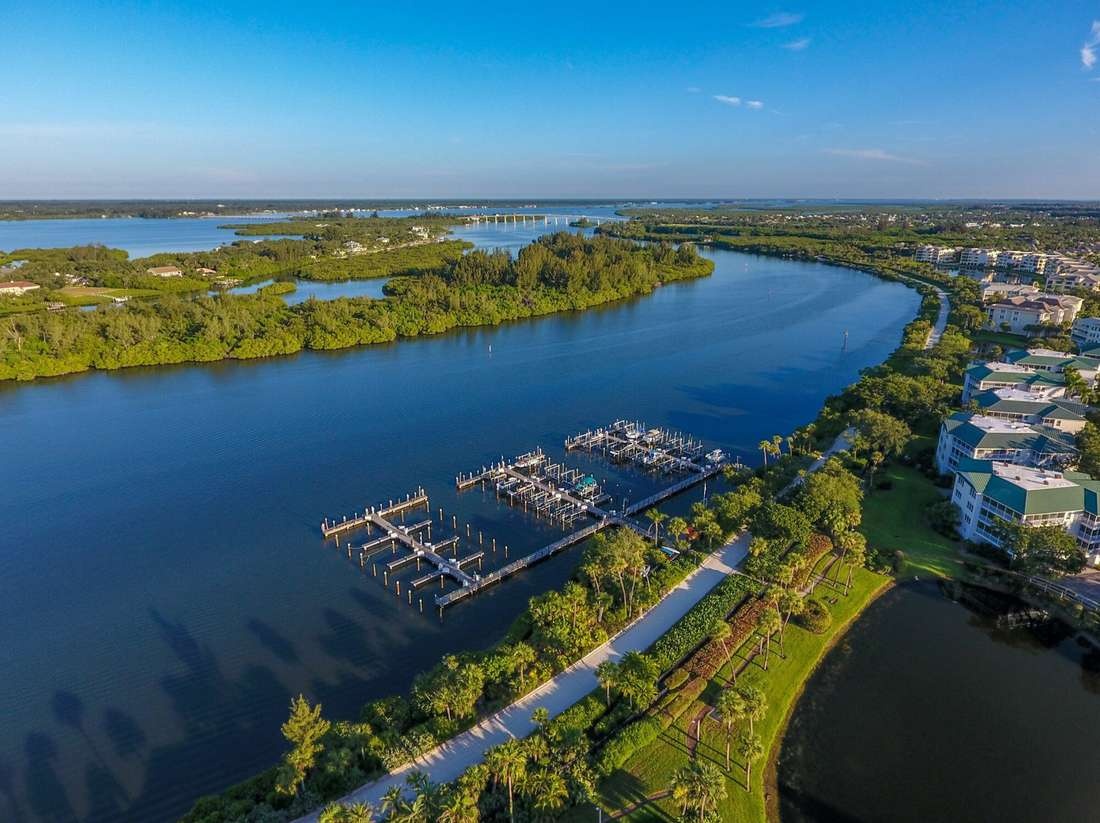
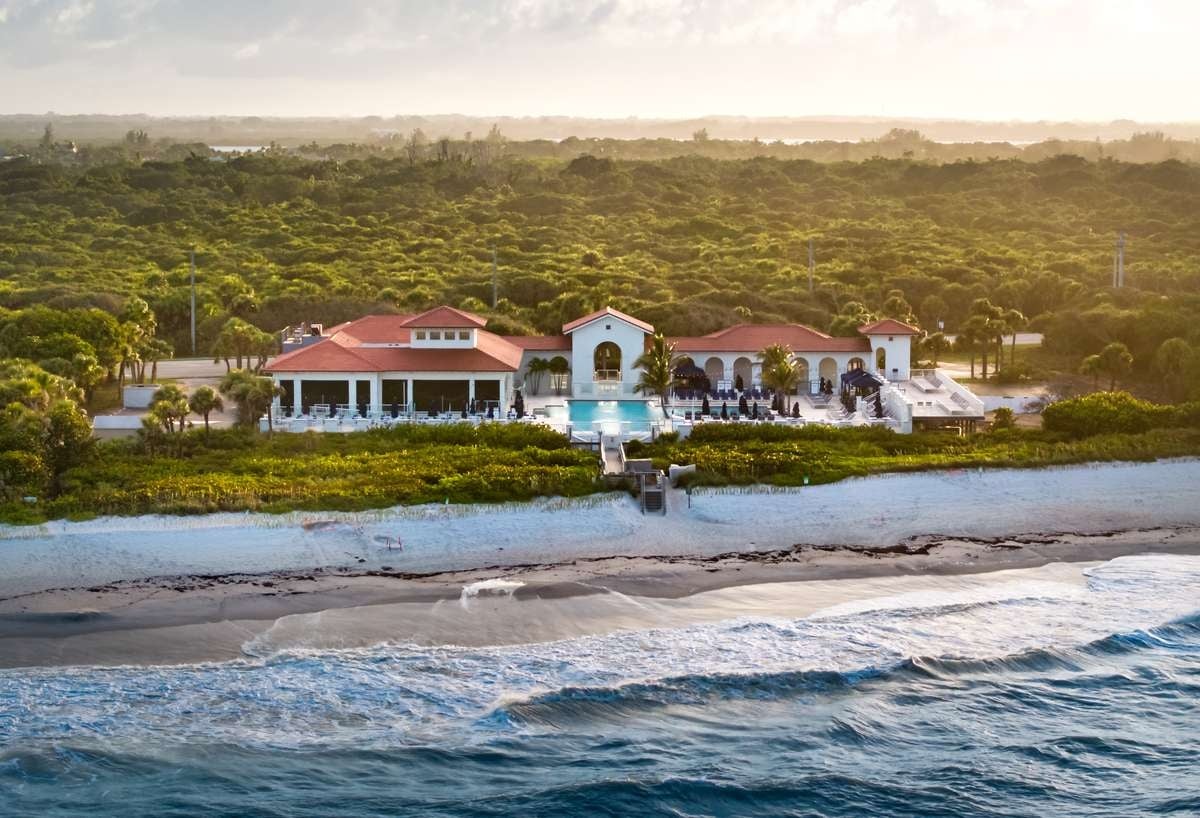
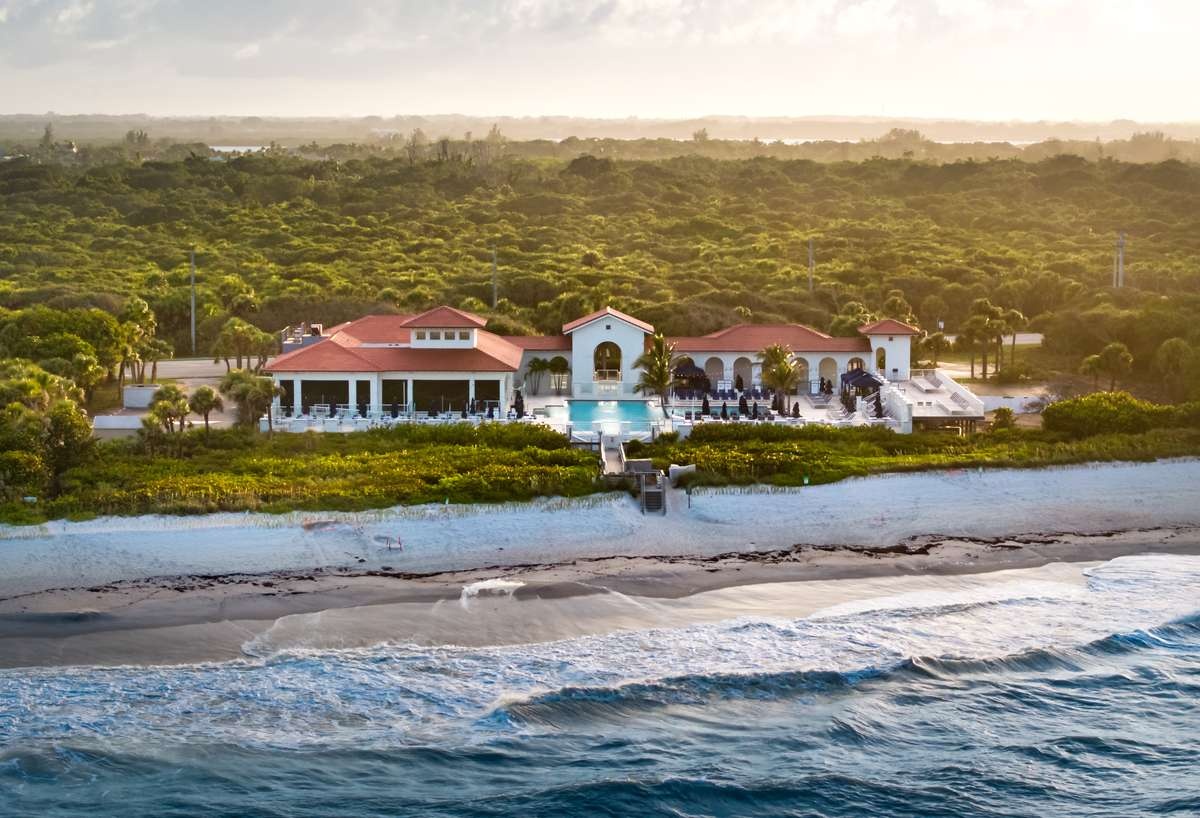
Florida's barrier islands occupy the same conceptual category as the North Shore lakefront — a narrow ribbon of land between water and the mainland, prized for exactly the same reasons. Vero Beach sits on the Atlantic, on a barrier island that has remained deliberately low-rise, low-density, and private.