Weston, Massachusetts to Vero Beach: What New England's Wealthiest Town Gets for Its Equity in Florida's Most Undervalued Luxury Market
Ben Bryk June 15, 2026
Ben Bryk June 15, 2026
The household that built something real in Weston — that turned decades of discipline, compounding equity, and a career at one of Boston's financial or biotech firms into a $2.27 million home on a quiet cul-de-sac off Boston Post Road — did not arrive there by misreading the math. They got there by running it carefully, over decades, and making calibrated decisions about where capital goes and where it stays.
The mathematics on Massachusetts' tax trajectory are no longer ambiguous. They are not subject to interpretation. They are the kind of structural signal that the Weston household that built the financial model on their company's equity round, or ran the tax analysis on their partner's carry, files under one heading: addressable risk.
Massachusetts' standard income tax rate: 5 percent. On income above $1 million annually: 9 percent — the so-called Millionaires Tax, passed by voters in November 2022 and effective since January 2023. Massachusetts capital gains on gains above $1 million: also 9 percent. Property taxes among the highest effective rates in New England. And unlike New York's proposed millionaire surtax — which exists as a legislative proposal — Massachusetts' high-earner surcharge is already law, already in effect, and applied to a Weston homeowner's capital structure today.
For a household selling a $2.27 million home with a $1.5 million gain, the Massachusetts capital gains surtax alone represents $45,000 in state tax on the proceeds above $1 million — before the money is reinvested anywhere. Florida's capital gains rate: zero.
Unlike the tax debates that define New York or California — where proposed changes generate outmigration anxiety before they are enacted — Massachusetts' Millionaires Tax is not a proposal. It passed. It is applied to every dollar of income and capital gains above one million dollars, effective now, at a rate of nine percent on top of the standard five percent state income tax.
For a Weston household with a combined income of $800,000, the standard 5% rate applies to all of it. For the household earning $1.5 million — a profile that describes a meaningful share of Weston's resident base — the surtax adds $45,000 in annual state tax that did not exist in 2022. Over a decade, that is $450,000 in cumulative state tax that a Florida-domiciled household earning the same income would not pay.
The capital gains dimension is equally structural. Weston's median home value has appreciated substantially over the past decade. A homeowner who purchased at $1.4 million and is now selling at $2.3 million — a common profile given the town's appreciation trajectory — faces a $900,000 gain. The first $500,000 is excluded for a married filing jointly household under federal rules. The remaining $400,000 is taxed at Massachusetts' capital gains rate. If a second property, a business interest, or accumulated investment gains push total realized gains above $1 million in the same year, the 9% surtax applies to the amount above that threshold.
The Weston household that has already run this analysis — and a large portion of them have, because this is the demographic that runs analyses — knows exactly what it costs to be domiciled in Massachusetts. The question is not whether to address it. The question is whether the December 31, 2026 legislative window is the right moment to act.
The market that Weston homeowners are sitting in is, by every objective measure, performing. The town's median home sale price is approximately $2.27 million, with 85.8% of homes owner-occupied — a stability metric that reflects the town's fundamental character as a community of established wealth rather than speculative activity. Bloomberg ranked Weston's primary ZIP code as having the 11th wealthiest ZIP code in the United States in 2019, with an average adjusted gross income of $757,000. That profile has not diminished.
Inventory remains genuinely constrained. The town's 11,851 residents occupy estates, historic colonial homes, and modern builds that sit on land that is not being replicated. The national recognition of Weston as a top-ten wealthiest suburb — acknowledged by GoBankingRates, Bloomberg, and multiple ranking bodies — means that the exit from Weston, when timed correctly, captures a market that is performing at the top of its cycle.
Which is precisely why 2026 is the right moment to evaluate what happens to that equity when it is repositioned into a primary Florida residence — and when the December 31 legislative deadline creates an urgency that is not manufactured, but actuarial.
On June 2, 2026, the Florida legislature passed HJR 1-F, proposing a $250,000 increase to Florida's homestead exemption on top of the existing $50,000 benefit. The measure goes to Florida voters in November 2026.
The provision that concentrates the analysis: buyers who establish Florida homestead by December 31, 2026 qualify immediately for the enhanced exemption — without the standard five-year waiting period. That language is in the legislation.
Florida's Save Our Homes cap limits annual assessed value increases to 3%, regardless of market performance. For the Weston household establishing Vero Beach primary residence in a market that has been appreciating above that ceiling, the tax position improves in real terms every year from day one — compounding the advantage with the same patience that built the original Weston portfolio. The December 31 deadline is not a close tactic. It is the most advantageous entry point to a structurally improving position.
The Weston homeowner is not looking for a warmer version of MetroWest. They have already built the MetroWest version of their life — the Weston home that requires six months of maintenance for four months of outdoor weather. What they are looking for is its complement: intentional, coastal, and calibrated to a different rhythm entirely.
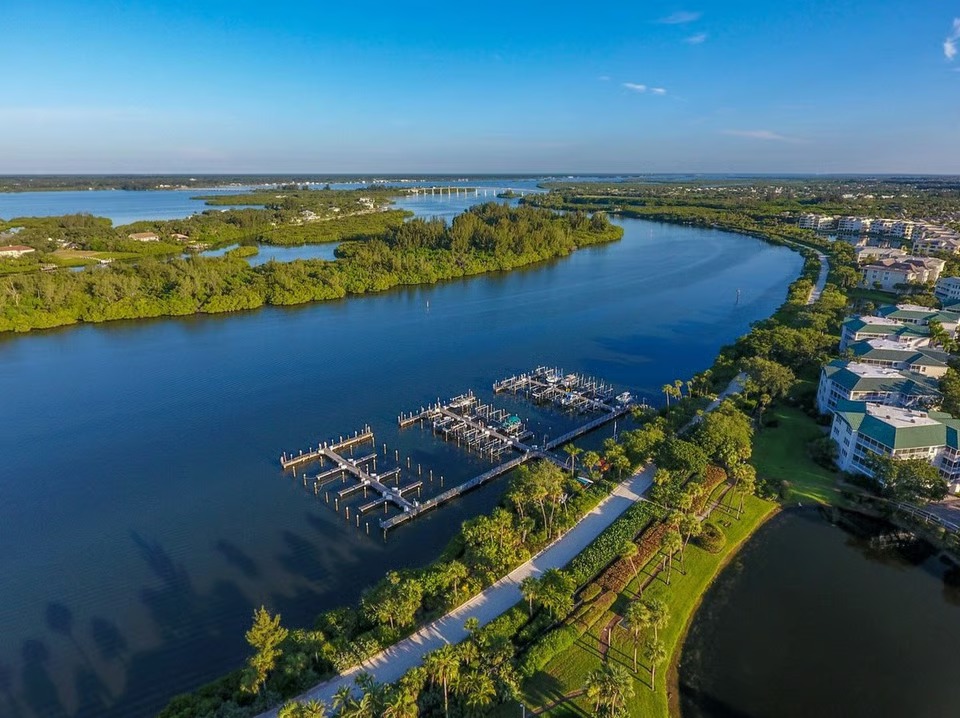
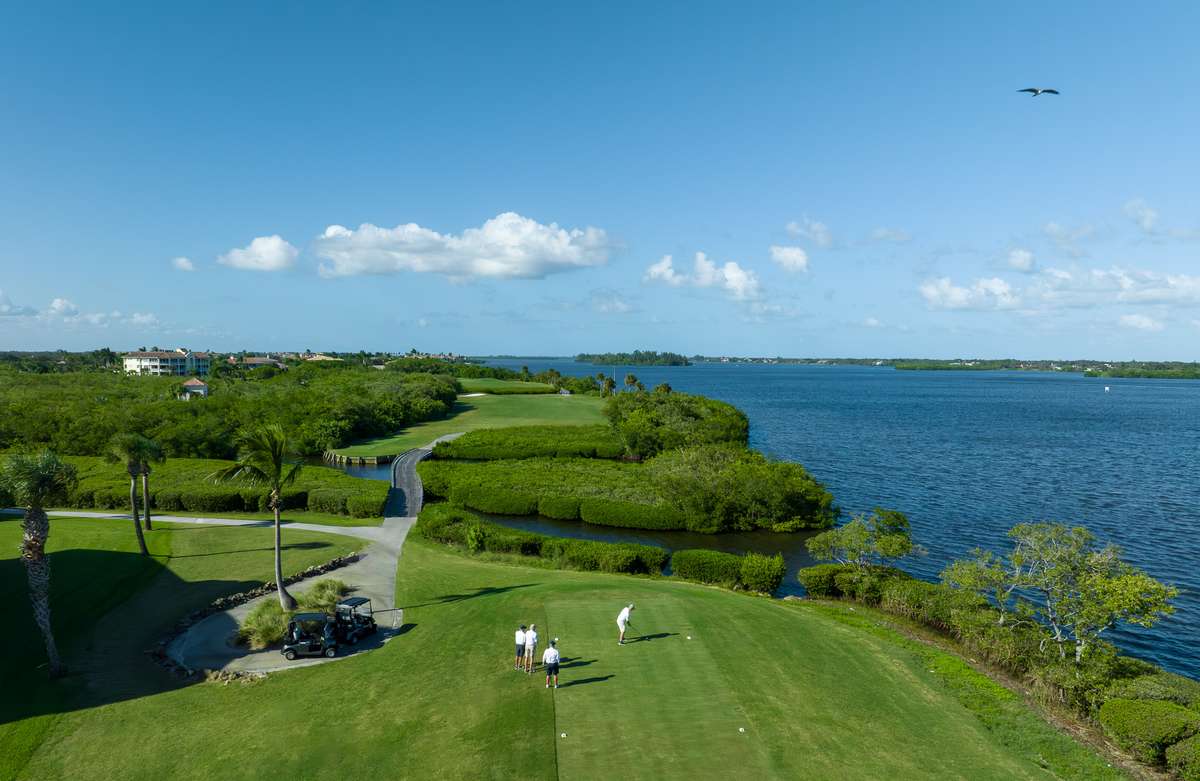
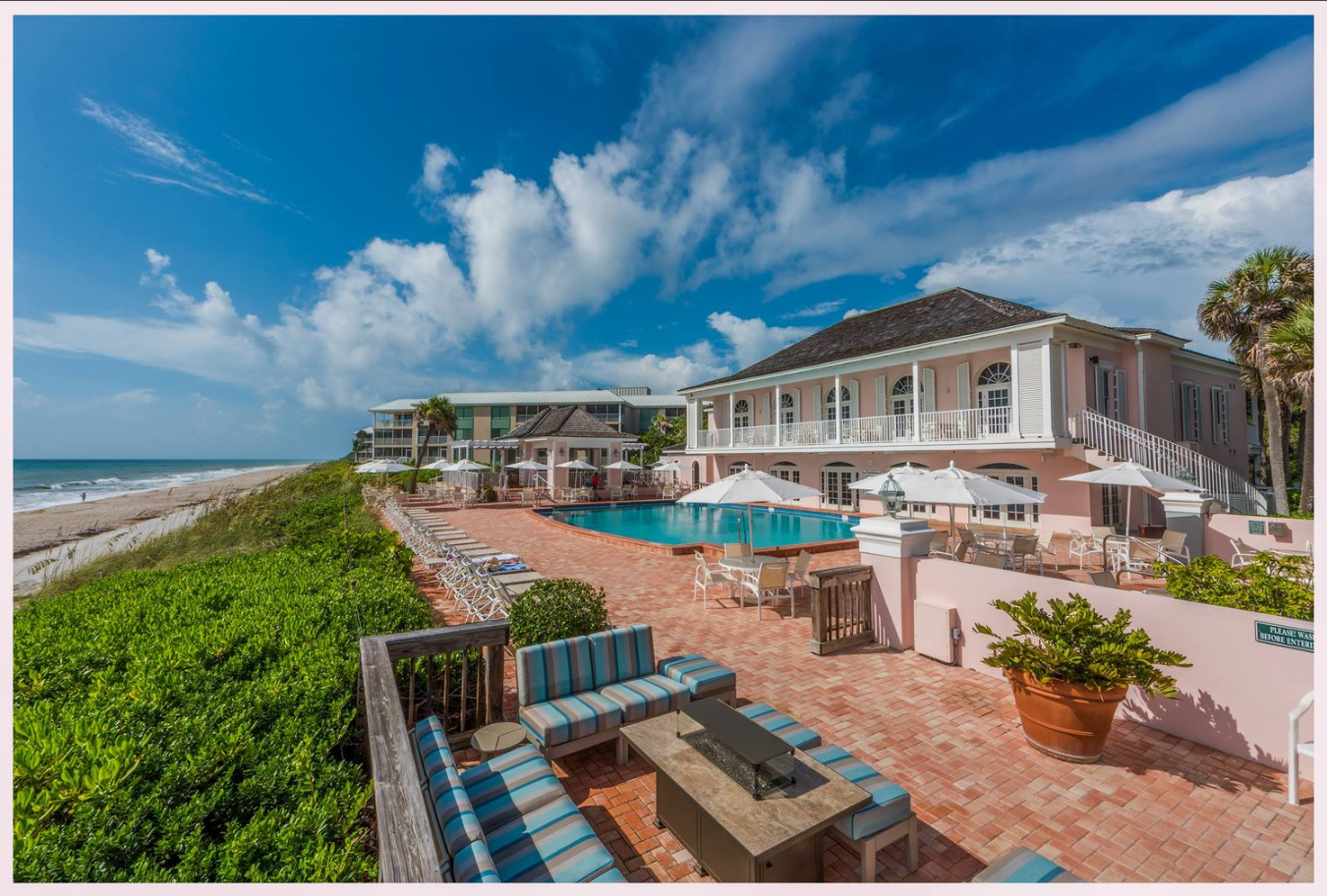
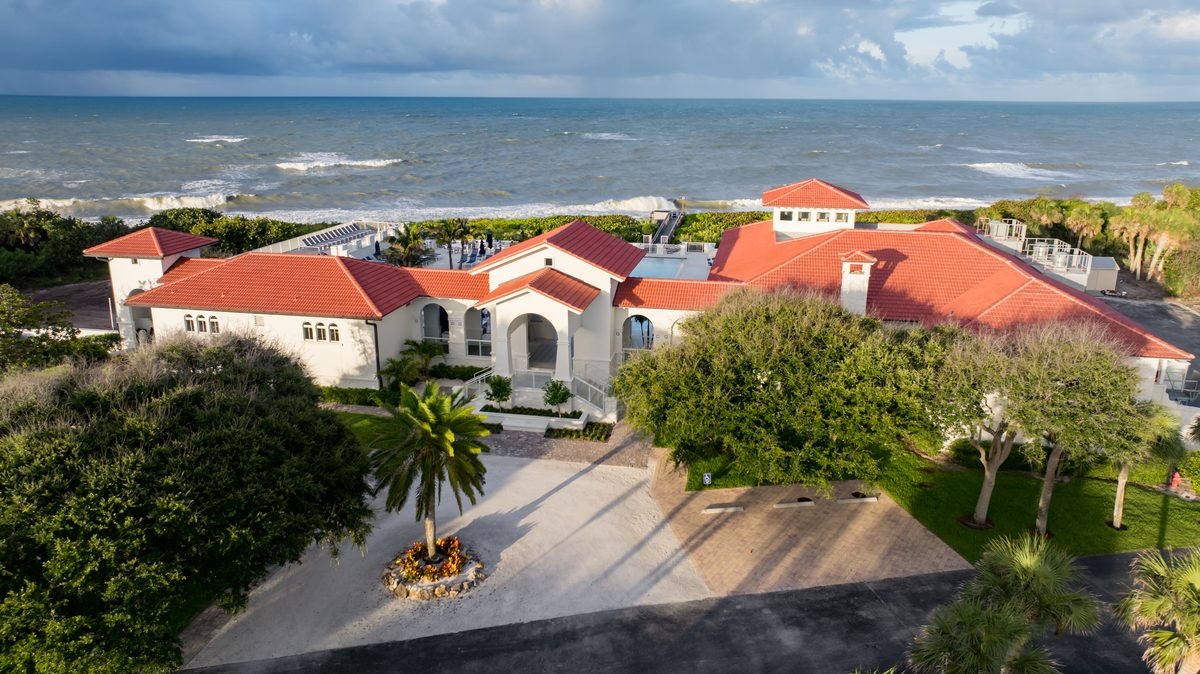
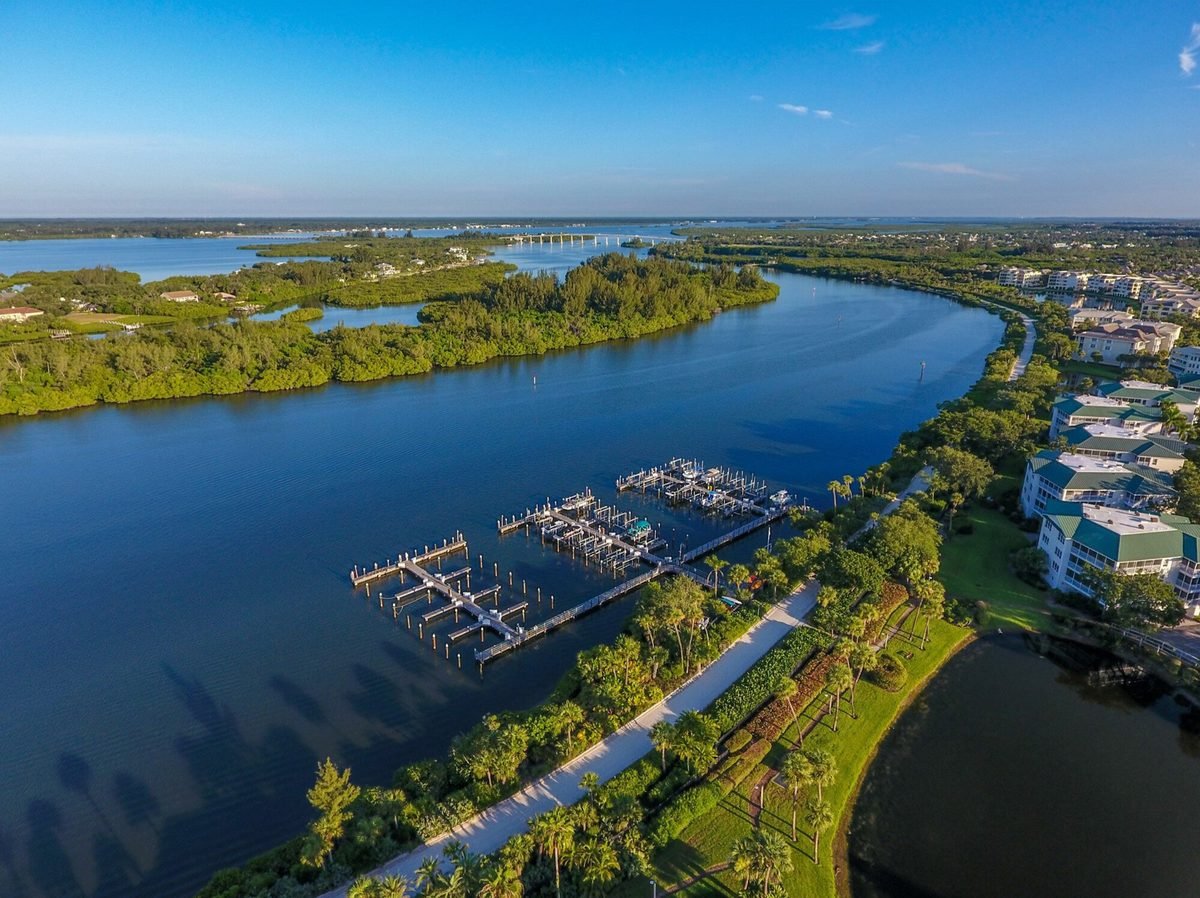
Vero Beach's barrier island delivers that calibration without apology. No density. No ambient noise of a city competing for attention. Grand Harbor's 36-hole championship layout — one of the premier waterfront golf courses on Florida's east coast, situated on the Indian River Lagoon — operates at the quality and scale that justifies a membership on its own terms, not as a compromise. Sea Oaks' deep-water Intracoastal marina. The Moorings Country Club. The Riverside Theatre and the Vero Beach Museum of Art — a cultural infrastructure built for residents rather than tourists. Ocean Drive's walkable village core, which functions the way small-town New England shopping does: a neighborhood for the people who actually live there, not a destination for those passing through.
For the Weston household that has spent twenty years commuting forty minutes to Boston through winter traffic, the barrier island's uncrowded Atlantic beach access — uncrowded by Florida standards — carries a category of value that does not appear in the financial model. But the financial model still favors the move by a margin that is difficult to ignore.
Vero Beach's barrier island is not a compromise destination. It is a market that the financial profile of the Weston household — liquid, equity-rich, all-cash capable — was designed to enter at precisely this moment in the cycle.
The all-cash buyer rate of 62.7% is the highest of any luxury market in the United States. It is not a statistic that emerges from a market of distressed sellers or discount hunters. It reflects a buyer profile that does not need financing — which mirrors, almost exactly, the profile of the Weston household that has built $2M+ in home equity and is evaluating where to put it next.
The average barrier island sale price of $1.99 million as of January through May 2026 places Vero Beach at 66 percent below Naples' market pricing — for substantially equivalent oceanfront geography and amenity infrastructure. Palm Beach Island trades at a premium that reflects decades of social capital and name recognition. Vero Beach trades at a discount that reflects the opposite: it has not been discovered by the national press cycle, which means the entry window that exists today will not exist indefinitely.
The communities that define Weston's buyer profile — Grand Harbor, Sea Oaks, The Moorings, the oceanfront estates on South Ocean Drive — are not being replicated. The barrier island is seven miles long and, unlike Weston's MetroWest land mass, has a finite supply of waterfront addresses. That constraint is not a marketing point. It is a real estate fundamental that the Weston buyer, who has spent twenty years in a market where supply is also constrained, understands immediately.
Vero Premier Properties operates as a Signature Division of Coldwell Banker Global Luxury — a network that extends to more than 40 countries and 60 global markets through the International Luxury Alliance. In Massachusetts specifically, our referral relationships span the state's most significant Coldwell Banker offices and their top-producing agents in communities including Weston, Wellesley, Dover, Winchester, Lexington, and Newton.
The relocation process for a Weston household — coordinating the sale of a $2M+ home, establishing Florida domicile before December 31, 2026, and selecting the right Vero Beach community — involves an estate attorney, a CPA, a Weston listing agent, and a Vero Beach buyer's representative who understands the specific communities that match the Weston buyer's profile. We operate all four sides of that conversation, and we have done so for Northeast buyers for decades.
The conversation begins with a single confidential call — not a sales presentation, but a financial and lifestyle analysis calibrated to the specific circumstances of the household. The December 31 deadline is real. The tax savings are documented. The question is whether the analysis that confirms the move happens before or after the window closes.
The decision to establish Florida primary residence is not a single financial event. It is the entry point into a permanent structural advantage that operates across three dimensions simultaneously — which is why advisors who work with high-net-worth New England households call it the Florida Financial Trifecta.
First: the elimination of state income tax. For a Weston household earning above $1 million annually, this is not a marginal benefit. It is a recurring, compounding reduction in the effective tax rate on every dollar of earned and investment income — applied at 9% on the portion above $1 million, permanently, for as long as Massachusetts residency continues. Florida's zero state income tax is constitutionally protected, not subject to legislative revision in the way Massachusetts' rate structure has evolved.
Second: the HJR 1-F homestead exemption, which — for buyers establishing Florida primary residence before December 31, 2026 — delivers an enhanced property tax exemption without the standard five-year waiting period. Combined with Florida's Save Our Homes cap limiting assessed value increases to 3% annually, the property tax position improves in real terms every year from the first year of homestead ownership.
Third: Florida's absence of a state estate tax. Massachusetts imposes an estate tax on estates above $2 million — a threshold that the Weston homeowner, who may be sitting on $2M+ in home equity plus investment assets, crosses with meaningful frequency. Florida has no state estate tax. The Weston household that moves primary domicile to Florida removes that exposure entirely, for their estate and for the generation that inherits it.
None of these three advantages is speculative. Each is permanent, documented, and available to the Weston household that completes the domicile change before December 31, 2026 — the date that the HJR 1-F window closes.
Ben Bryk and Vance Brinkerhoff offer confidential consultations for Weston, Wellesley, Dover, Winchester, and Lexington households — and for the estate attorneys and wealth managers serving them — evaluating the Florida Financial Trifecta and the December 31, 2026 HJR 1-F homestead deadline. The conversation is calibrated to the complexity of the household's financial profile and the specificity of the legislative window.
Ben Bryk · (772) 713-9455Vance Brinkerhoff · (772) 913-3426floridaeastcoastluxuryhomes.com

Lead Real Estate Agent
Buying a home is a very emotional experience, especially for those who have not done it very often. My experience in sales can help guide buyers with an analytical approach.
Find Your Dream Home
Get assistance in determining current property value, crafting a competitive offer, writing and negotiating a contract, and much more. Contact us today.