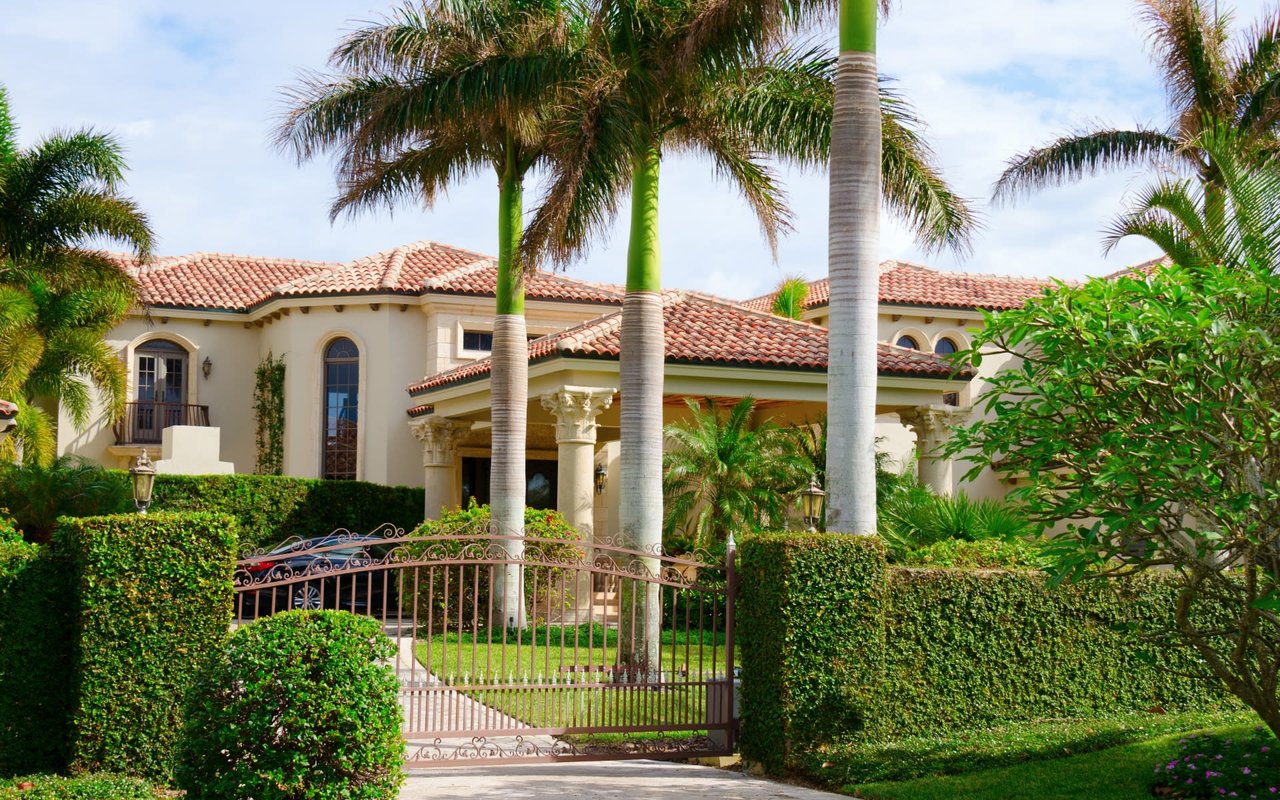
Is it a view, a dock, or a club membership that sets one Vero Beach luxury home apart from another? If you are weighing options in Indian River Shores, it can be hard to decode why two beautiful properties carry very different price tags. You want clarity before you make a move, whether you are buying your next retreat or preparing to sell. This guide gives you a simple framework to understand what truly drives value along this stretch of the barrier island so you can act with confidence. Let’s dive in.
Why Indian River Shores commands premiums
Indian River Shores sits on a limited slice of the barrier island, and that scarcity matters. There are only so many oceanfront and prime riverfront lots, and many are tied to high-amenity communities with private clubs, marinas, and gated settings. That combination supports higher prices per square foot than broader county averages.
Buyer demand comes from several groups. You see seasonal residents and second-home buyers from the Northeast and Midwest, local move-up buyers, and a steady stream of lifestyle relocations. Investors participate where rental rules are allowed. On the sell side, owners often price lifestyle premiums such as private beach access, club membership pathways, unobstructed views, and privacy. Those factors go beyond simple square footage.
Waterfront type: oceanfront vs riverfront
Oceanfront value signals
Direct oceanfront typically commands the highest premium. You are paying for open Atlantic views, immediate beach access, and very limited frontage inventory. Wider oceanfront lots, stronger dune systems, and unobstructed sightlines increase value. Coastal regulations, setbacks, and exposure to storm surge also shape pricing and insurance expectations, which is why recent permitting and resilience upgrades matter.
Riverfront value signals
Riverfront along the Indian River Lagoon offers calm water, wildlife viewing, and often larger lots with greater privacy. If you are a boater, deeper water access and the ability to install or maintain a longer dock can be worth a significant premium. Dock capacity, water depth at mean low tide, and lift systems become key value markers that sit alongside view quality and lot width.
How to compare waterfront comps
Appraisers and brokers often look at the oceanfront on a per-linear-foot basis, and riverfront through a combination of frontage, lot size, and dock capability. In both cases, the quality of the view and the absence of obstructions are priced separately. When you review comps, align waterfront type first, then adjust for factors like dock depth, seawall condition, elevation, and finish level.
Private clubs and membership influence
How clubs shape price and demand
Private clubs like John’s Island and The Moorings Club can add measurable lifestyle value. Access to golf, tennis, dining, concierge services, and established social networks draws a steady funnel of qualified buyers. Homes tied to transferable or guaranteed club access often sell faster and command stronger prices because membership reduces uncertainty for the next owner.
What to verify before you buy or sell
- Is membership transferable or subject to board approval?
- What are the initiation fees, annual dues, and any capital assessments?
- Are there caps, waiting lists, or rules that tie the home sale to membership status?
- Are there community covenants that affect renovations or future resale?
Clarifying these points early helps you position price and timing with fewer surprises.
Renovation and condition premiums
Top-end buyers expect turnkey living and strong resilience. Upgrades that tend to carry the most weight include:
- Impact glass or other hurricane-rated openings
- Newer roof systems and hurricane straps
- Updated kitchens and baths with consistent, high-end finishes
- Modern mechanicals, including HVAC and whole-house generators
- Seawall repair or replacement and resilient coastal landscaping
- Dock improvements, from cleats and lifts to deeper slips
In this micro-market, functional and safety-focused improvements often deliver better returns than purely cosmetic updates. Consistency matters. A single standout room paired with dated systems can work against value. As a seller, provide permits, maintenance records, and recent inspection reports to reduce buyer friction and strengthen your position.
Lot and site characteristics that move price
- Size and shape. Wider, larger lots with usable beachfront or deep-water access trade at a premium. Lot shape influences privacy and buildable area.
- Elevation and flood risk. FEMA flood zone, base flood elevation, and required freeboard affect insurance and construction costs. Higher elevation and favorable zones typically support higher pricing.
- Seawalls and shoreline. Material type, condition, and permit history are heavily scrutinized. Buyers want clarity on maintenance needs and long-term resilience.
- Vegetation and dunes. Native dunes and vegetation can improve protection and aesthetics, though setbacks may limit build envelopes.
- Dock rights and water depth. Confirm riparian rights, submerged land leases, and depth at mean low tide. For boaters, capacity and draft determine usability.
- Orientation and exposure. East-facing oceanfront delivers sunrises and beach panoramas. West-facing riverfront offers sunsets. Orientation influences daily living and perceived value.
Seasonality and timing in Vero Beach
High season typically runs from late fall through spring, when many affluent buyers are in residence. Inventory can tighten, days on market may compress, and turnkey listings benefit. Off-season often brings a different pace, with opportunities for buyers to negotiate or for motivated sellers to capture attention without as much competition.
Showings, inspections, and club interviews can cluster during peak months. Plan ahead so your property is staged, documented, and easy to access when demand is most active.
Transaction steps and due diligence
Luxury coastal transactions require deeper diligence. Build time into your contract for:
- Structural, marine, and environmental assessments, including seawall reports, dock and marine surveys, and where relevant, erosion studies
- Boundary surveys, title searches, and review of covenants and club transfer rules
- Permit verification for prior renovations and additions, especially for coastal work
- Early insurance quotes for wind and flood, tied to elevation, flood zone, and prior loss history
Cash deals are common, but when financing is involved, expect jumbo loan requirements and appraisals that emphasize waterfront type, frontage, and resilience features.
Insurance and carrying costs to factor in
Wind and flood insurance are meaningful line items for coastal homes and can change based on flood zone, elevation, and recent claims. Availability and pricing can shift with insurer policies and reinsurance trends, so request current quotes early in your process. Also consider property taxes, association fees, and any special assessments for shoreline, beach nourishment, or drainage projects. Florida’s homestead protections may not apply if the home is not your primary residence, which is common for seasonal owners.
How pros value and negotiate here
Valuation approach in this micro-market
Pros lean on the most similar sales first. For oceanfront, that often means recent sales with comparable frontage and view quality. For riverfront, dock capacity, depth, and lot width are critical. Adjustments then layer in elevation and flood zone, seawall condition, membership access, and interior finish consistency.
When comps are scarce, functional equivalence and local knowledge matter more, which puts a premium on conservative, well-justified pricing.
Buyer strategies that work
- Time your offers in the off-season when possible to gain leverage
- Use inspection findings on roofs, systems, or seawalls to negotiate
- Confirm club rules and membership paths early to avoid delays
- Lock in current wind and flood quotes before finalizing price
Seller strategies that add value
- Invest in resilience upgrades that buyers and insurers prioritize
- Provide clear documentation for permits, maintenance, and recent inspections
- Market during high season for maximum exposure to qualified buyers
- Present club access and costs up front so the lifestyle value is crystal clear
Quick listing checklist for clarity
When you evaluate or present a property, make sure these details are front and center:
- Waterfront type, linear frontage, and precise water access
- Lot size, shape, orientation, elevation, and FEMA flood zone
- Seawall type, condition, permits, and recent work
- Dock rights, depth at mean low tide, capacity, and lift details
- Club membership status, transferability, initiation fees, and dues
- Recent upgrades with dates and permits: roof, impact glass, generator, HVAC
- Current wind and flood insurance status or quotes
- Any rental rules or covenants that affect income potential
A clear view of these factors will help you price wisely, compare apples to apples, and act decisively.
If you want a discreet, data-informed read on a specific property or community within Indian River Shores or the broader Vero Beach corridor, connect with an advisor who lives this micro-market every day. For a private, no-pressure conversation about timing, valuation, and strategy, reach out to Ben Bryk with Coldwell Banker Global Luxury Request a private consultation.
FAQs
How do oceanfront and riverfront prices compare in Indian River Shores?
- There is no fixed percentage; oceanfront often carries the highest premium per linear foot, while riverfront value hinges on dock capacity, water depth, lot size, and view quality.
Do private-club memberships add resale value in Vero Beach?
- Yes for many buyers; transferable or immediate access to clubs like John’s Island or The Moorings can support higher prices and faster sales, but rules, fees, and waiting lists should be verified.
What should I budget to make a waterfront home storm ready in this area?
- Costs vary by property; prioritize impact glass, roof systems, generators, seawall work, and elevated utilities, and obtain contractor quotes and permit guidance early.
What insurance issues should Vero Beach coastal buyers expect?
- Wind and flood policies can be expensive and subject to change; request current quotes tied to elevation, flood zone, and loss history before finalizing an offer.
Is it better to buy during high season or off-season in Indian River Shores?