TriBeCa, SoHo & Hudson Yards to Vero Beach: What Downtown Manhattan's Entrepreneur Class Gets for Its Equity in Florida's Most Undervalued Luxury Market
Ben Bryk June 11, 2026
Ben Bryk June 11, 2026
Vero Premier Properties · TriBeCa · SoHo · Hudson Yards · Billionaires' Row Relocation Report · June 2026
TriBeCa's average adjusted gross income is $879,000. The neighborhood posted a $4.25 million median sale in Q1 2026 — up 29% year-over-year. Manhattan recorded $12 billion in luxury contracts in 2025 across more than 1,400 transactions, with 284 deals closing above $10 million. The wealth assembled in these four ZIP codes — TriBeCa, SoHo, Hudson Yards, Billionaires' Row — is real, recent, and increasingly mobile. New York has lost $111 billion in net adjusted gross income over the last decade to zero-income-tax states. A proposed two-percentage-point millionaire surtax would push the combined state-and-city rate to 16.776% — the highest of any city in the United States. The household that built its wealth by recognizing asymmetric opportunities before the broader market does is looking at Florida with the same analytical clarity it applies to everything else.
June 8, 2026 · Vero Beach, Florida · floridaeastcoastluxuryhomes.com
The entrepreneur who built something real in TriBeCa's cast-iron lofts — who turned a Lispenard Street floor-through into a company, and that company into a portfolio, and that portfolio into the kind of liquidity event that makes a $4 million apartment feel like a rounding error — did not get there by ignoring data. They got there by reading it earlier than everyone else and acting before the consensus caught up.
The data on New York's tax trajectory is not ambiguous. It is not subject to interpretation. It is the kind of clear, directional signal that the TriBeCa entrepreneur processes in the first thirty seconds of a pitch deck and files under "structural headwind."
New York State's top income tax rate: 10.9 percent. Extended through 2032. New York City's local rate: 3.876 percent. Combined: 14.776 percent — already the highest combined state-and-city rate in the United States for any comparable market. Mayor Mamdani's proposed two-percentage-point millionaire surtax, if enacted, pushes that to 16.776 percent. Combined with the federal rate, the total reaches 53.776 percent.
Over the last decade, New York has lost $111 billion in net adjusted gross income as high earners have relocated to zero-income-tax states. Over 15,500 high-income earners left NYC between May 2024 and October 2025 alone — with all net outflow landing in states that do not impose a state income tax. The founder class that built SoHo's galleries and Hudson Yards' supertalls into their current valuations is reading the same signal. Some are already gone. The rest are having the conversation with their estate attorneys.
The conversation ends, consistently, in Florida.
The numbers that define New York's tax migration are not projections. They are documented outcomes. The National Taxpayers Union Foundation reported that no state is losing millionaires faster than New York — the state's millionaire share dropped from 12 percent to 8.7 percent between 2013 and 2022. Had New York's share remained steady, the state would have had 95,812 millionaires by 2022. Instead it had 69,780. The missing 26,000 households represent not just a political and policy story. They represent a relocation pattern that the TriBeCa and SoHo resident profile has been executing with increasing velocity and — as the proposed surtax has entered active legislative discussion — with increasing urgency.
When executives hear a mayoral candidate propose a tax structure that would take more than half their income, the decision process that follows is not measured in months. It is measured in weeks. The estate attorney gets the call. The wealth manager runs the analysis. The broker in Florida gets the inquiry. That sequence is happening, right now, in the ZIPs that define downtown Manhattan's wealth concentration.
The market that TriBeCa, SoHo, Hudson Yards, and Billionaires' Row households are sitting in is, by every objective measure, performing. TriBeCa's median sale price rose 29 percent year-over-year in Q1 2026 to $4.25 million — the second most expensive neighborhood in New York City behind Hudson Yards at $4.62 million. Inventory is genuinely scarce. The ultra-luxury tier — above $20 million — averaged $7,185 per square foot in 2025. Manhattan recorded nearly $12 billion in luxury sales in 2025 across more than 1,400 contracts, an 11 percent year-over-year increase. The market is not broken. It is, by every price and volume metric, healthy.
Which is precisely why 2026 is the right moment to evaluate what happens to that equity when it is repositioned into a primary Florida residence rather than continuing to compound inside a New York tax structure that has been deteriorating for a decade and is now facing its most aggressive proposed expansion in a generation.
On June 2, 2026, the Florida legislature passed HJR 1-F, proposing a $250,000 increase to Florida's homestead exemption on top of the existing $50,000 benefit. The measure goes to Florida voters in November 2026.
The provision that concentrates the analysis: buyers who establish Florida homestead by December 31, 2026 qualify immediately — without the standard five-year waiting period. That language is in the legislation.
Florida's Save Our Homes cap limits annual assessed value increases to 3% regardless of market performance. For the downtown Manhattan founder establishing Vero Beach primary residence in a market appreciating above that ceiling, the tax position improves in real terms every year — compounding the advantage with the same patience that built the original portfolio. The December 31 deadline is not a close tactic. It is the most advantageous entry point to a structurally improving position.
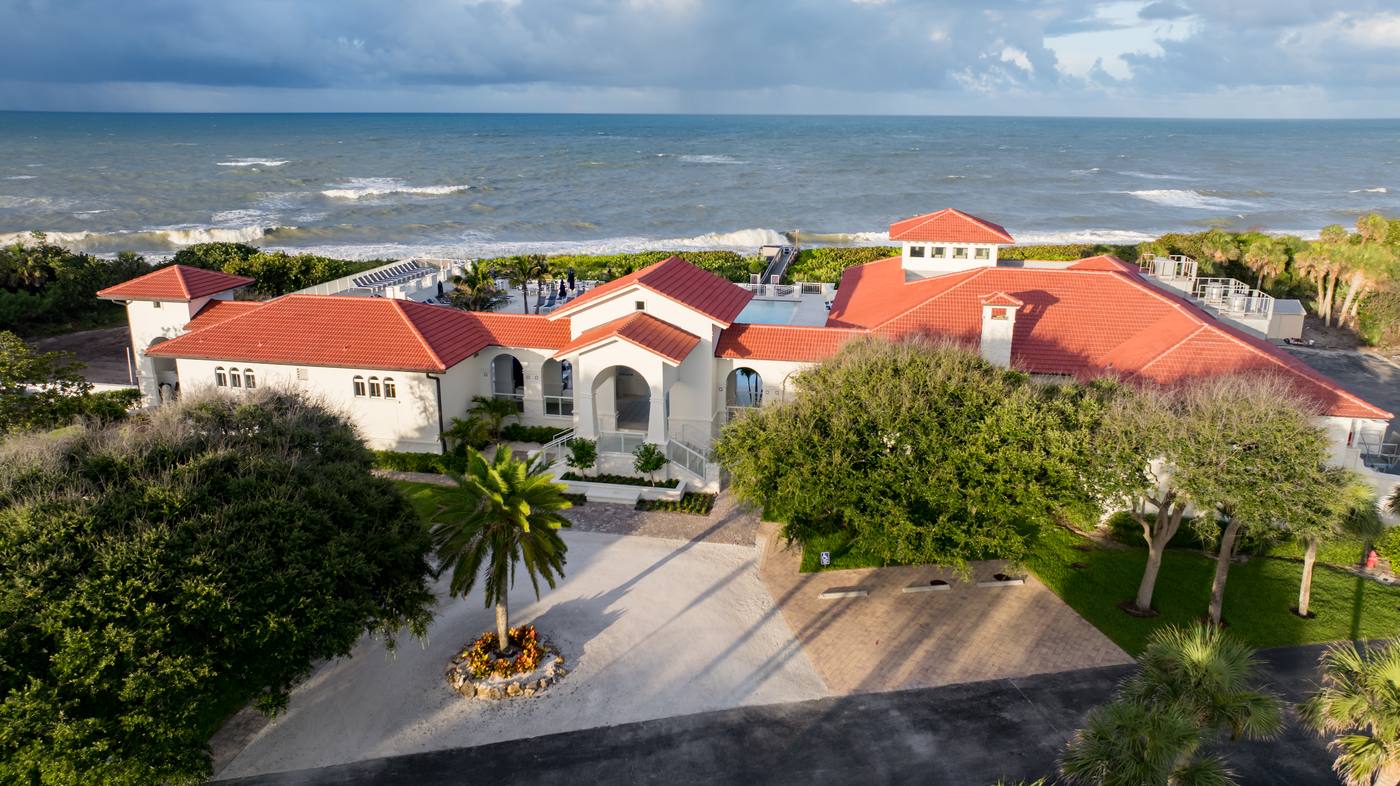
From January through May of 2026, Vero Beach's barrier island recorded 174 transactions at an average sale price of $1.99 million with a 62.7 percent all-cash buyer rate — the highest of any luxury real estate market in the United States. Priced 66 percent below Naples and 50 percent below Miami for comparable oceanfront and Intracoastal product.
The 62.7 percent cash buyer figure is the market signal that the analytically trained downtown Manhattan buyer reads fastest. That is not a speculative market. That is not a rate-sensitive market. That is a market of established, liquid households making deliberate decisions — the same profile that built the TriBeCa loft portfolio and the SoHo company that funded it. They arrived at Vero Beach before the consensus. That is, characteristically, how the best financial decisions get made.
The brief for this market is different from every other in this series. The TriBeCa, SoHo, Hudson Yards, and Billionaires' Row buyer is not reached by a YouTube video or an Instagram reel. They are reached by their estate attorney, their wealth manager, or their Coldwell Banker agent in Manhattan — the professionals who already understand their full financial picture and are in the precise position to introduce Vero Beach as the Florida answer rather than a generic Florida option.
That referral channel is real and it is direct. Vero Premier Properties operates as a signature division of Coldwell Banker Global Luxury — a network spanning 40 countries and 3,000 offices, with a meaningful presence in exactly the Manhattan ZIP codes this analysis targets. The conversation between a CB agent on Franklin Street and our team on A1A is a single call. The client transfer is institutionally supported, credentially matched, and transparent to the client in a way that builds trust on both ends.
For TriBeCa, SoHo, Hudson Yards, and Billionaires' Row clients already engaged with a Coldwell Banker agent in Manhattan, the path to Vero Premier's team is a single referral conversation. The CB Global Luxury network provides shared listing syndication, coordinated client transitions, and institutional credibility that estate attorneys and wealth managers in these ZIPs require before referring high-net-worth clients to an out-of-state team. For the founder whose estate attorney has been running the Florida domicile analysis for two years, the CB channel removes the friction between analysis and action.
The longer conversion cycles that characterize this market are not a function of reluctance. They are a function of complexity — the trust structures, the multi-entity ownership, the international capital flows that make a TriBeCa or Hudson Yards primary residence transition more sequentially involved than a straightforward Westchester relocation. Our Financial Concierge Desk coordinates the domicile attorneys, estate planners, CPAs, and wealth advisors who specialize in exactly this complexity. The process is time-sensitive against December 31, 2026. That deadline does not negotiate with complexity.

The TriBeCa founder is not looking for a warmer version of Manhattan. They have already built the Manhattan version of their life. What they are looking for is its opposite — intentionally, seasonally, or permanently — and the barrier island delivers it without apology.
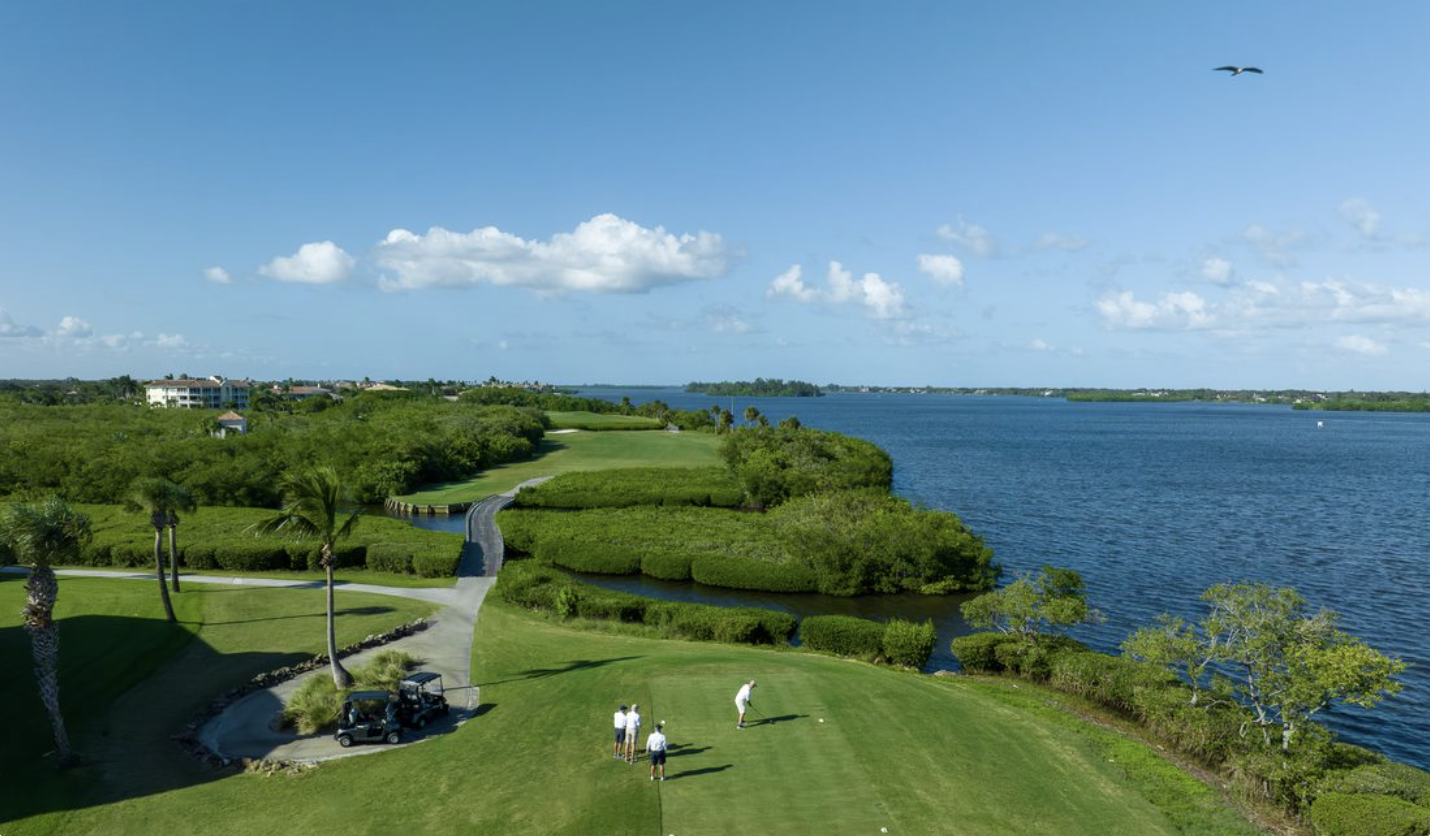
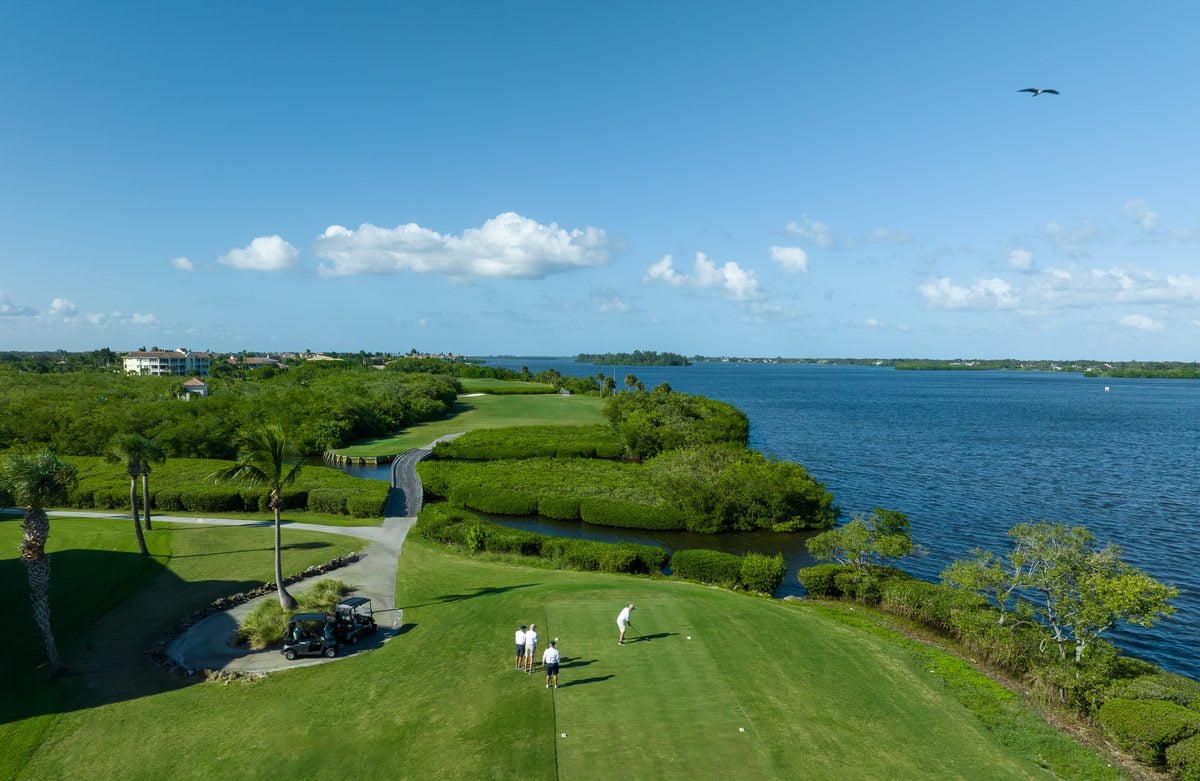
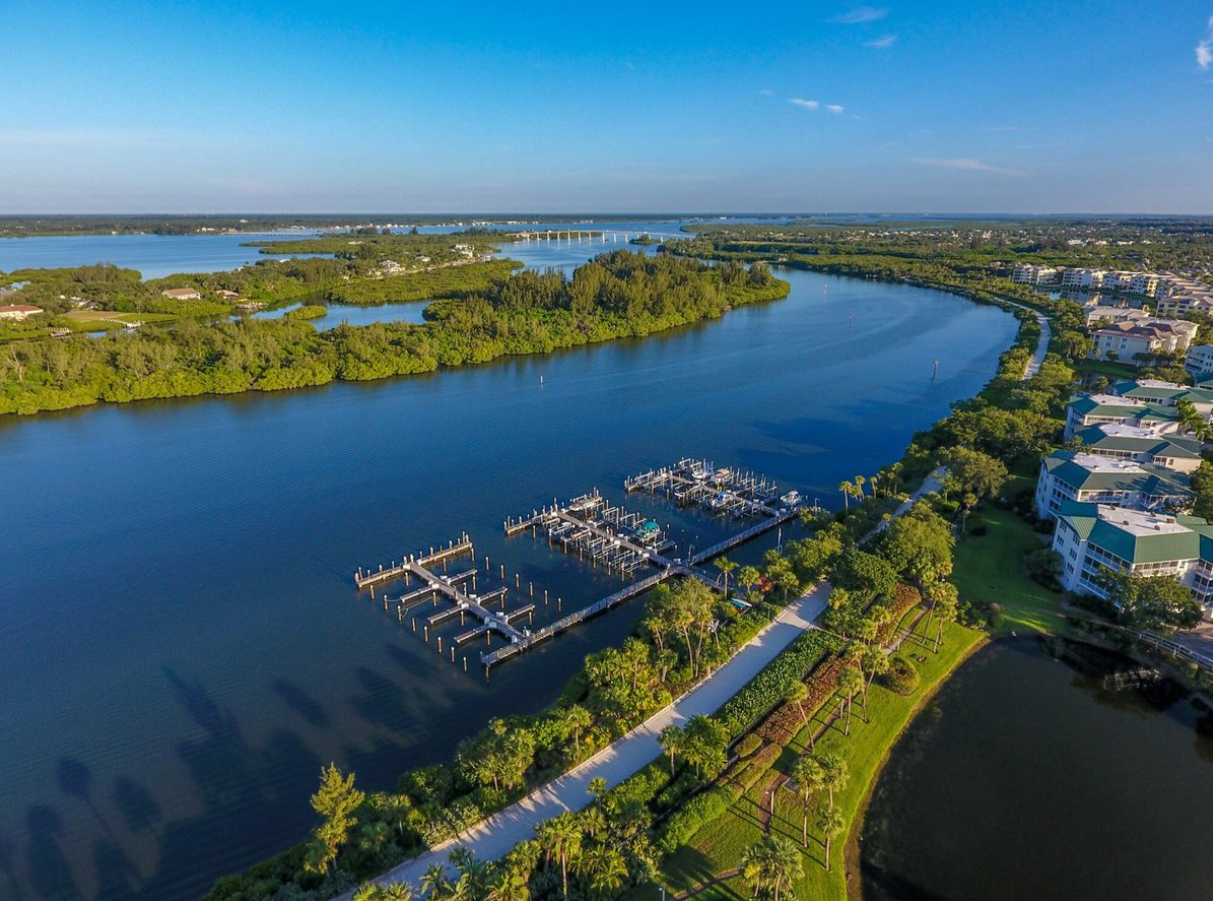
No density. No ambient noise of a city competing for attention. Grand Harbor's 36-hole championship layout on the Indian River Lagoon operates at the kind of scale and quality that justifies a membership on its own terms, not as a compromise. Sea Oaks' deep-water Intracoastal marina. The Moorings Country Club. The Riverside Theatre and the Vero Beach Museum of Art — a cultural infrastructure built for residents rather than tourists. Ocean Drive's walkable village core, which functions the way SoHo's Prince Street did before it became a retail destination: a neighborhood for the people who actually live there.
The JetBlue nonstop from JFK to Vero Beach Regional Airport — launched December 2025 — means the founder who wants to spend the first quarter of the year in Vero Beach, the second quarter in New York, and the rest wherever the business requires can do exactly that. The flight is direct. The calendar is flexible. The tax position, once Florida homestead is established, is permanent.
For the downtown Manhattan founder, the Florida Financial Trifecta operates at a scale that is not marginal. Zero state income tax on all sources — the founder's equity distributions, carried interest, capital gains from a liquidity event, investment income from a portfolio assembled over a decade — removes a liability that, at the income levels these ZIPs imply, runs into seven figures annually. Permanently. That is not a strategy. It is a structural condition of Florida residence that compounds with every year the income continues.
Vero Beach's ~0.85% effective property tax rate on the barrier island, against New York City's effective rate for comparable value real estate, produces a material annual reduction in the carrying cost of the primary address. Florida's Save Our Homes cap — 3% maximum annual assessed value increase — ensures the advantage compounds rather than erodes as the market appreciates. The Homestead Exemption — $50,000 current, with HJR 1-F's proposed $250,000 increase for buyers who establish homestead before December 31, 2026 — adds the third instrument.
The founder who reads the data early and acts before the consensus arrives does not look back at what they paid for the company they built or what they sold it for. They look forward at where the capital goes next. In 2026, the data says Florida. The deadline says December 31st. The market says Vero Beach.

Ben Bryk and J. Vance Brinkerhoff built Vero Premier Properties for the buyer who does not want to be managed through a transaction — who wants the team across the table to understand the full picture, move efficiently, and produce the outcome. RealTrends-verified top 1.5% nationally. $1.2 billion in career sales. More than 2,000 transactions. Cleveland Clinic Preferred Physician Realtors designation exclusive to Indian River County. Top 10 Most Trusted Realtors in Florida (Apple News, 2025). Coldwell Banker Global Luxury — 40 countries, 3,000 offices.
For estate attorneys and wealth managers in Manhattan who are running this analysis for TriBeCa and SoHo clients, the introductory conversation with our team is the appropriate next step. We understand the complexity of the founder profile — the trust structures, the multi-entity ownership, the timing constraints around equity events — and our Financial Concierge Desk coordinates the domicile attorneys and estate planners in Florida who handle this complexity routinely. The referral path through Coldwell Banker Global Luxury is direct, warm, and institutionally supported.

Ben Bryk and Vance Brinkerhoff offer confidential consultations for TriBeCa, SoHo, Hudson Yards, and Billionaires' Row households — and for the estate attorneys and wealth managers serving them — evaluating the Florida Financial Trifecta and the December 31, 2026 HJR 1-F homestead deadline. The conversation is calibrated to the complexity of the founder profile and the urgency of the legislative window.
Ben Bryk · (772) 713-9455 Vance Brinkerhoff · (772) 913-3426 floridaeastcoastluxuryhomes.com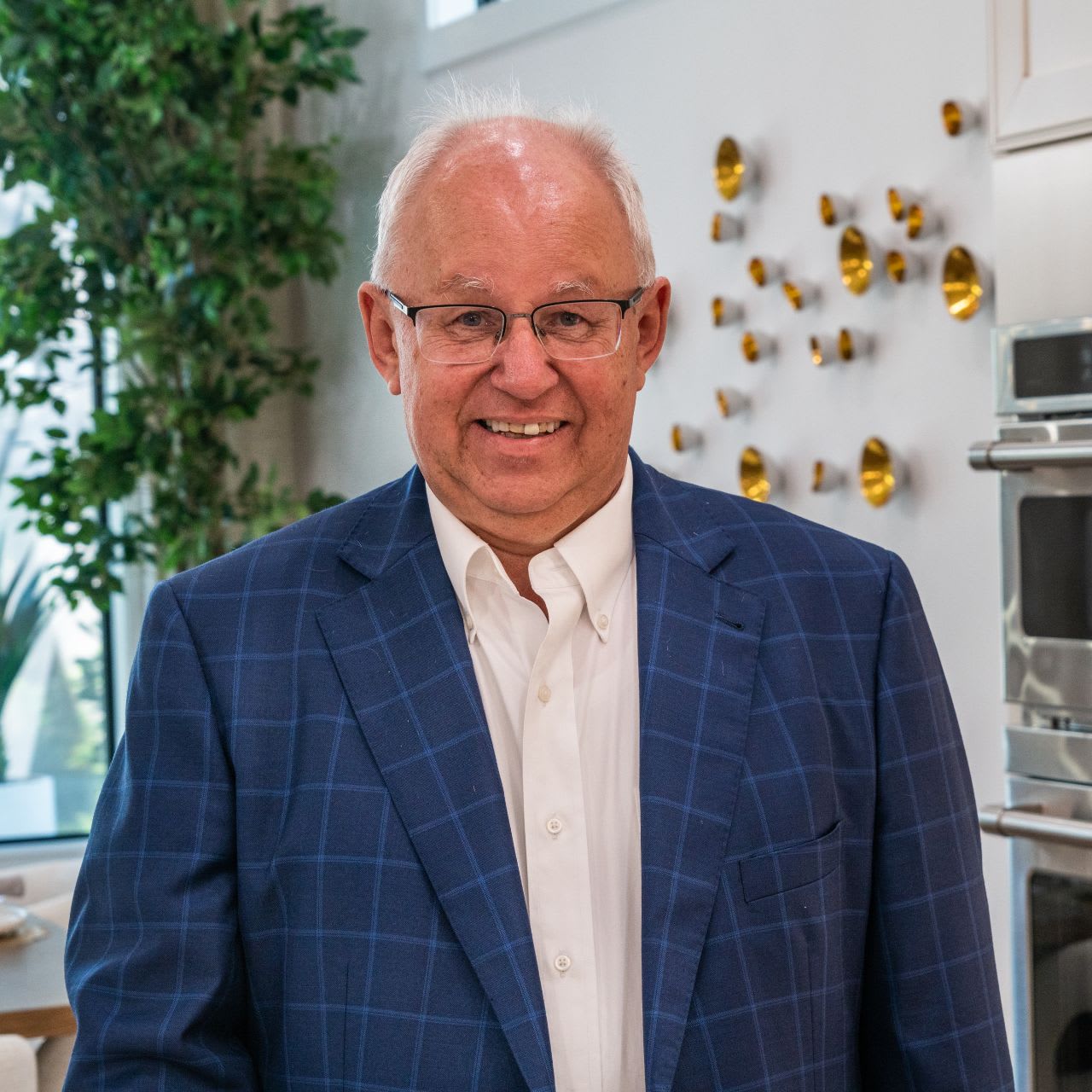
Lead Real Estate Agent
Buying a home is a very emotional experience, especially for those who have not done it very often. My experience in sales can help guide buyers with an analytical approach.
Find Your Dream Home
Get assistance in determining current property value, crafting a competitive offer, writing and negotiating a contract, and much more. Contact us today.