
For most of the postwar era, home equity behaved like a heirloom locked in a vault. It was real, it was substantial, and it was almost entirely out of reach until the day the property changed hands. Affluent owners understood their houses as stores of wealth — not as instruments they could actually deploy. That assumption is now being quietly dismantled, and the implications reach directly into the estates lining Florida’s Treasure Coast.
A small but fast-maturing corner of the financial markets has begun to treat residential equity the way earlier generations of Wall Street learned to treat mortgages: as something that can be pooled, priced and sold to institutions. The vehicle driving it is the Home Equity Investment agreement, or HEI — and while the product itself is worth understanding, the more consequential story is the change in mindset it signals.
A Home Equity Investment (HEI) agreement lets a homeowner receive a lump sum of cash today in exchange for sharing a set portion of the home’s future change in value. Unlike a loan, there are no monthly payments; the owner keeps title, keeps living in the home, and continues to cover taxes, insurance and upkeep. The investor is repaid — with a share of appreciation, or a cushion against depreciation — when the home is later sold or the agreement is settled.
From stored wealth to active capital
Accessing home value has traditionally meant one of three things: sell the property, refinance the mortgage, or borrow against the equity through a loan or line of credit. Each carries a cost that has grown more conspicuous in a higher-rate environment — particularly the prospect of surrendering a low fixed-rate mortgage secured years ago.
HEI agreements introduce a fourth path. For the sophisticated owner, the appeal is rarely the cash alone. It is the ability to unlock liquidity without selling a highly appreciated home and without disturbing a favorable existing mortgage. That is a meaningfully different proposition — and it is why wealth managers, not just lenders, have started paying attention.
Behind the scenes, investment firms are aggregating hundreds and sometimes thousands of these agreements into diversified portfolios and selling them to pension funds, insurers and asset managers. The parallel to the mortgage-backed securities that reshaped lending decades ago is imperfect but instructive: a new asset class is forming, tethered directly to the appreciation of American homes. The market remains modest in scale. The direction of travel is what matters.
The question affluent owners are beginning to ask is no longer “Should I sell?” It is “How does this home fit inside my portfolio?”
That reframing — equity as one working component of a broader wealth strategy rather than dormant value awaiting a future sale — is the real headline. It positions the luxury home alongside private investments, additional real estate, business capital and estate planning as a lever an owner can actually pull.

Why the shift resonates on Vero Beach’s barrier island
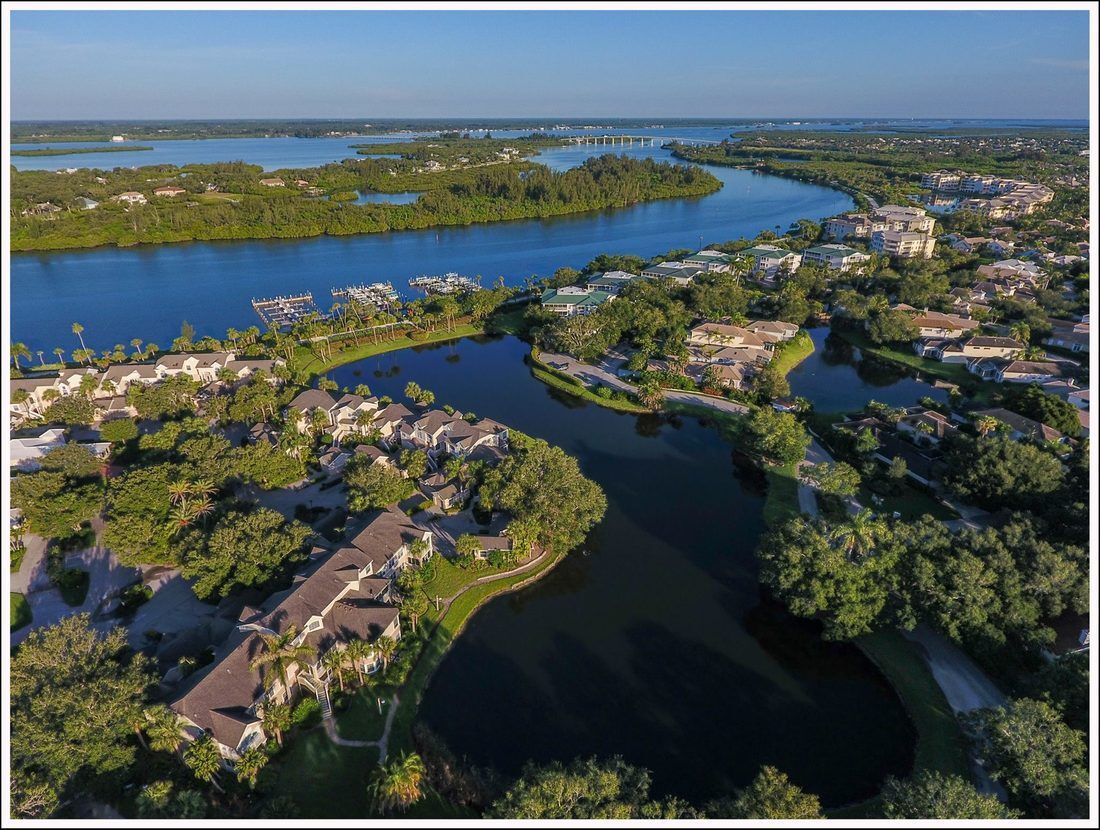
National trends arrive on this coast filtered through an unusual balance sheet. By Vero Premier Properties’ market analysis, roughly 62.7 percent of local luxury transactions close in all cash. Many barrier-island estates in John’s Island, Orchid Island, Windsor, Grand Harbor and Sea Oaks are owned outright, or carry only nominal debt. In other words, a large share of the equity conversation here begins from a position most of the country cannot: little or no leverage, and years of appreciation already banked.
Layer on Florida’s structural advantages — no state income tax, no state estate tax, and an effective property-tax burden near one percent — and the calculus sharpens further. For owners who relocated precisely to protect and compound wealth, the notion of drawing liquidity from a residence without triggering a sale, a capital-gains event elsewhere in the portfolio, or a new tax domicile question is not academic. It is the kind of conversation that increasingly happens across the closing table.
closing all-cash
property-tax burden
estate tax
There is a valuation dimension as well. Barrier-island pricing here still trades at a substantial discount to comparable Gulf-coast enclaves — by our analysis, on the order of two-thirds below Naples for comparable oceanfront and club living. Owners sitting on that gap are, almost by definition, sitting on appreciated equity that the emerging market is designed to reach.
The new questions on the table
As clients grow more financially fluent, the conversations around ownership grow correspondingly sophisticated. Where an owner might once have asked only whether to list, the more revealing questions today sound like this:
- How does this home fit within my overall investment portfolio?
- Should I preserve my current low-rate mortgage rather than refinance it away?
- How do I access liquidity while retaining ownership and use of the property?
- When should my wealth advisor, CPA or estate attorney be brought into the room?
None of these is a real estate question in the narrow sense. All of them are questions where a well-informed advisor earns trust — not by dispensing financial advice, but by recognizing the moment a broader wealth-planning discussion is underway and coordinating the right specialists into it.
This is where the modern luxury brokerage has quietly changed shape. At Vero Premier Properties, a Financial Concierge Desk exists precisely to convene an owner’s team — domicile attorneys, CPAs and wealth advisors — around exactly these decisions. The value is not in having an opinion on HEI products. It is in seeing the whole board.
The Vero Beach view
Whether Home Equity Investment agreements become a mainstream fixture or remain a specialist tool is, for now, an open question. What is no longer open is the underlying trend they represent. Luxury homes are steadily evolving from places to live and assets to eventually sell into integrated components of long-term wealth strategy — sources of liquidity, flexibility and optionality that need not require a sale.
Understanding that shift does not require an agent to become a financial advisor. But on a barrier island where equity is deep, leverage is light and owners expect a level of counsel commensurate with the assets involved, recognizing it early is fast becoming the difference between a broker and a genuine advisor. The most valuable thing a home can offer its owner may increasingly begin long before it is ever listed.
Frequently asked questions
What is a Home Equity Investment (HEI) agreement?
An HEI agreement provides a homeowner a lump sum of cash today in exchange for a predetermined share of the home’s future change in value. It is not a loan: there are no monthly payments and no interest in the conventional sense. The homeowner keeps title and continues to pay taxes, insurance and maintenance. The investor is settled when the home is sold or the agreement term ends.
How is an HEI different from a home equity loan or HELOC?
A home equity loan or line of credit is debt — it adds a monthly payment and interest, and it is repaid regardless of how the property performs. An HEI involves no monthly payment; the investor’s return rises or falls with the home’s value. That structure is why some owners view it as a way to access liquidity without disturbing an existing low-rate first mortgage.
Why does this matter specifically for Vero Beach luxury owners?
Roughly 62.7 percent of Vero Beach luxury purchases close in cash, and many barrier-island estates in John’s Island, Orchid Island, Windsor, Grand Harbor and Sea Oaks carry little or no debt. Combined with Florida’s absence of state income and estate tax and a low effective property-tax burden, that leaves many owners holding substantial, appreciated equity — precisely the position this emerging market is built to serve.
Is entering an HEI agreement a good financial decision?
That depends entirely on an individual household’s finances, tax situation and goals, and it should be assessed with a qualified wealth advisor, CPA and attorney. Vero Premier Properties does not offer investment, tax or legal advice. The firm’s role is to recognize when a wealth-planning conversation is underway and coordinate the appropriate professionals.
Could home equity really become a tradable asset class?
It is already beginning to. Firms are pooling large numbers of HEI agreements into diversified portfolios and selling them to institutional investors such as pension funds and insurers — conceptually echoing how mortgage-backed securities transformed lending. The market is still small, but the trajectory points toward residential equity becoming an investable asset tied to home appreciation.
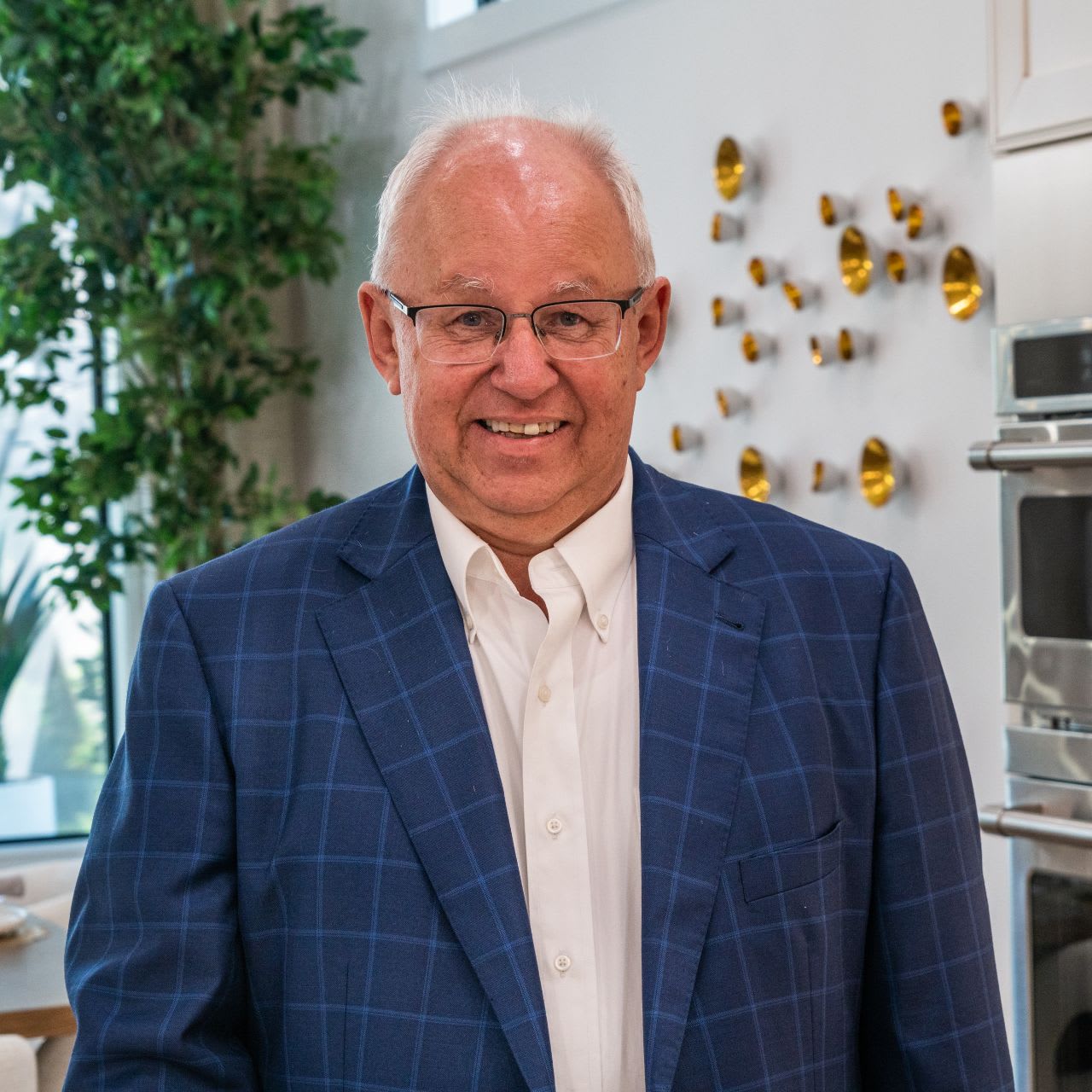
Ben Bryk
The Signature Division of Coldwell Banker Global Luxury
Ben Bryk advises buyers and sellers across Vero Beach’s premier barrier-island communities — John’s Island, Orchid Island, Windsor, Grand Harbor and Sea Oaks — where he has lived for more than 18 years. His practice pairs a data-analytical read of the market with a Financial Concierge Desk that coordinates domicile attorneys, CPAs and wealth advisors for clients relocating to Florida.
772.713.9455 • [email protected]