The Mainland Renaissance: Where Vero Beach Out-Values the Island
One bridge inland, a cluster of club communities is quietly winning the lifestyle-to-dollar equation — and a year-end tax deadline is about to make the math urgent.
The analysis in brief
- Freed from the scarcity premium of oceanfront land, Vero Beach's mainland clubs convert a larger share of every dollar into golf, wellness, racquet sports and marina access.
- The $1.5M–$3M new-construction bracket anchors cleanly at Grand Harbor's The Reserve, with a value ladder running well below it at Bent Pine and Indian River Club.
- Membership structure is itself a value proposition: Bent Pine is an initiation-fee club; Indian River Club is expressly non-equity and optional.
- Florida's Amendment 3 — the homestead property-tax measure — is on the November 3 ballot. It is contested and unsettled, but the December 31, 2026 residency deadline rewards buyers who act before year-end regardless of the vote.
For most of the last two decades, the Vero Beach conversation was organized around the sand. Proximity to the Atlantic set the price, and the barrier island commanded the premium that oceanfront geography always commands. That logic has not disappeared. What has changed is the arithmetic sitting one bridge inland, where a cluster of gated club communities now delivers an amenity density — and a menu of financial structures — that a growing share of relocating families are finding more rational than the island alternative.
Call it the mainland renaissance. It is not a downgrade. It is a recalculation.
01 · The Value GapThe premium the island cannot escape
The barrier island's defining asset is also its defining constraint. Land is finite, lots are scarce, and the premium buyers pay is, to a meaningful degree, a premium for the water itself rather than for what surrounds the house. The mainland clubs invert that equation. Freed from the scarcity tax of oceanfront acreage, communities such as Grand Harbor and Bent Pine have directed capital toward the things a family actually uses across a week: golf, racquet sports, wellness, dining and a marina.
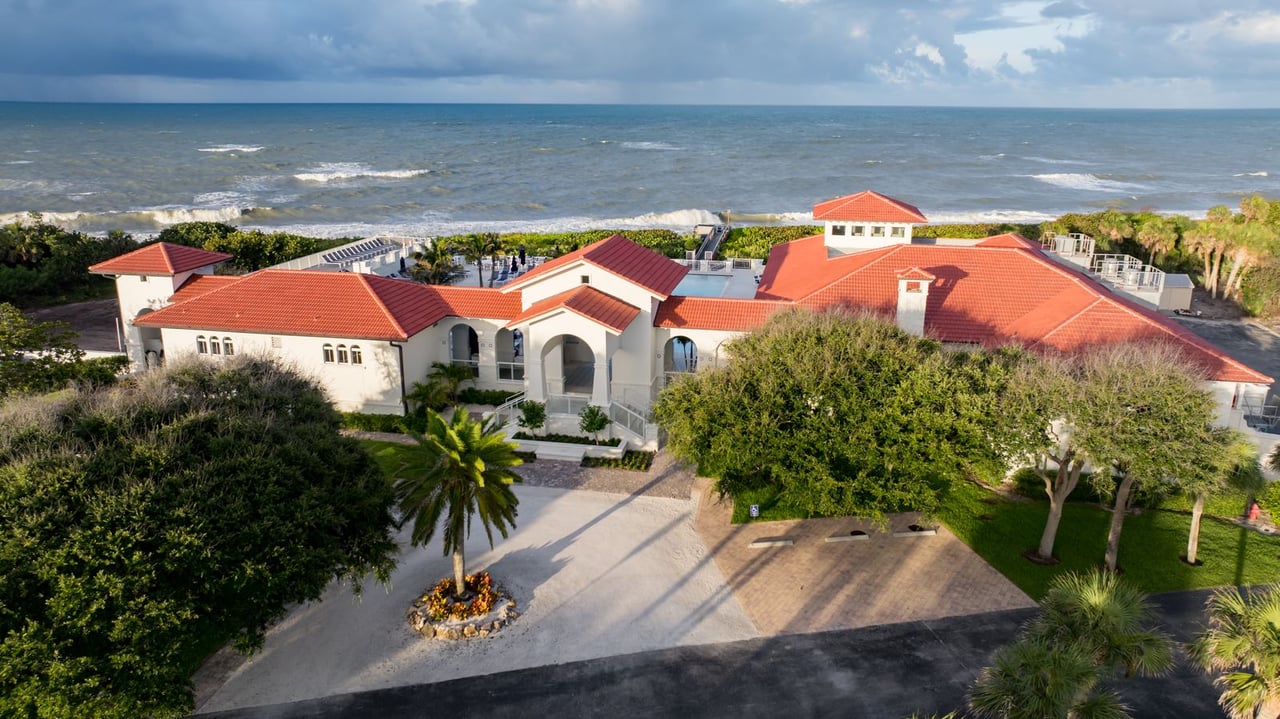
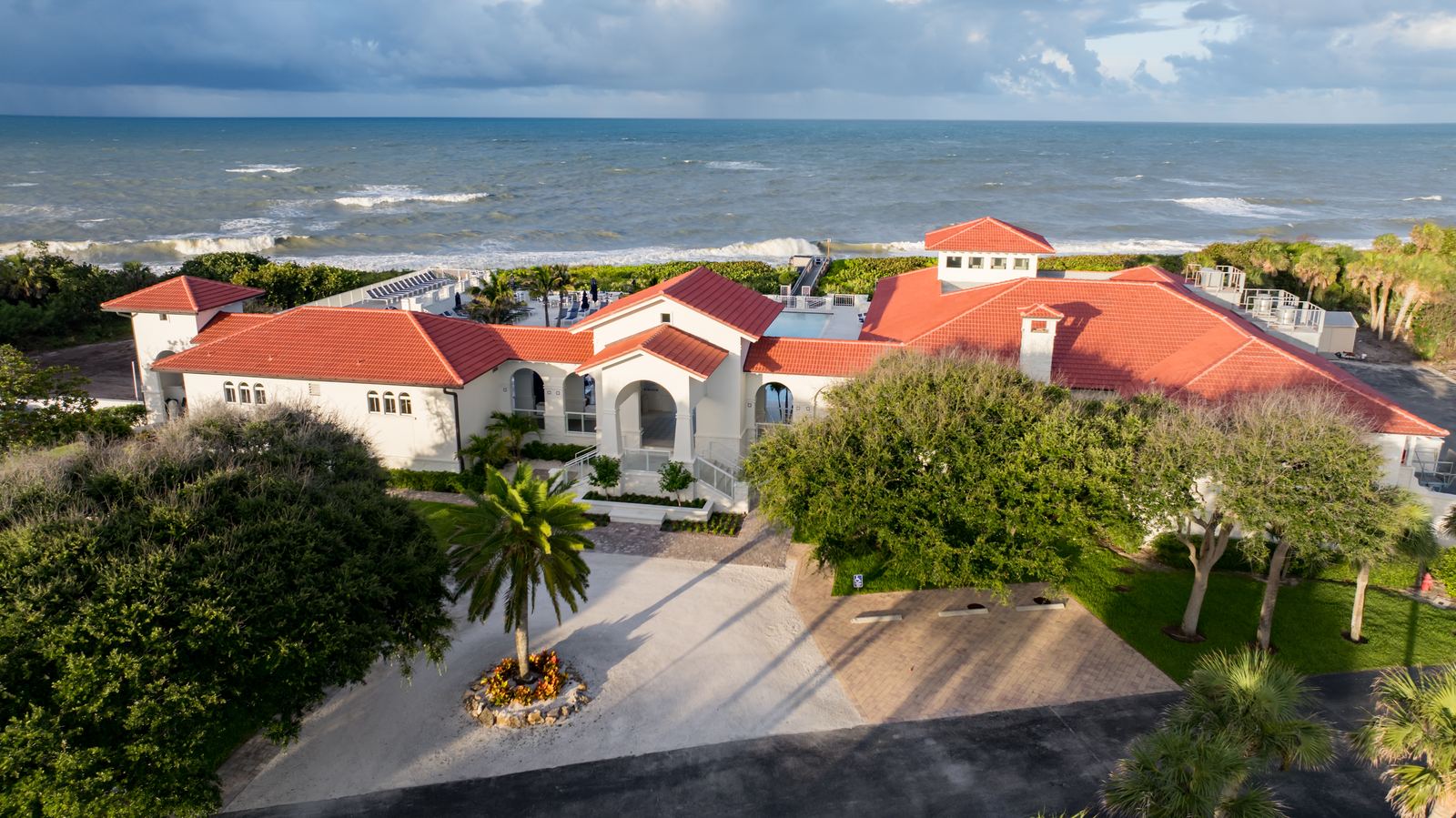
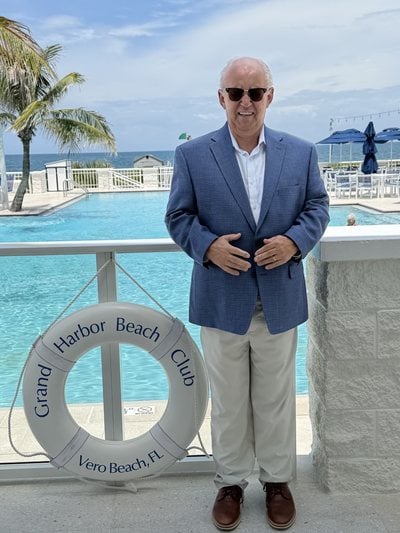
Grand Harbor is the clearest expression of the shift. Within a single gated campus it holds two championship courses — the Joe Lee–designed River Course and the Pete Dye–designed Harbor Course — alongside a 25-acre deepwater marina with 144 slips, a full racquet complex, and an oceanfront Beach Club that gives members the island experience without requiring them to buy the island. Bent Pine, built around a Joe Lee course that has hosted six U.S. Open local qualifiers, offers a quieter, more traditional version of the same trade.
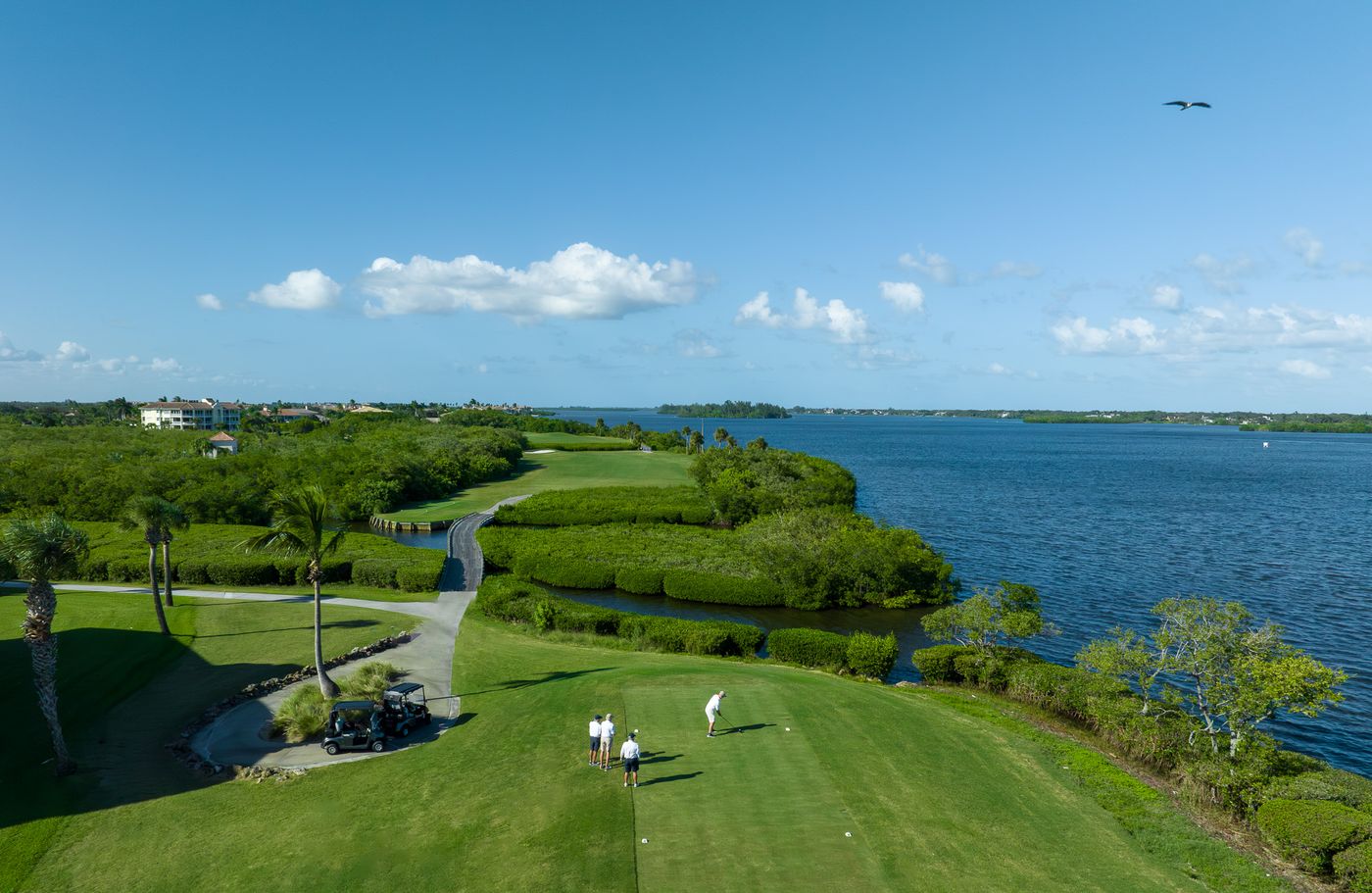
The point is not that the mainland is cheaper. It is that the mainland converts a larger share of every dollar into daily use.
02 · The BracketThe $1.5M–$3M build, honestly mapped
The high-end mainland build now anchors most cleanly at Grand Harbor's The Reserve, where GHO Homes is delivering waterfront and golf-course residences from roughly $1.7 million to $2.5 million, with layouts above 3,600 square feet and customization through the builder's Tailor Made program. For a buyer relocating from the Northeast, that figure buys a new-construction home inside a two-course club with a marina and a beach club attached — a combination difficult to assemble on the island at any price.
What makes the bracket compelling is the ladder beneath it. The Falls at Grand Harbor opens in the upper $600,000s and runs into the $800,000s. Bent Pine Preserve's new construction sits in the low $400,000s to $1 million-plus, with estate-scale homes above 4,000 square feet available in resale. Indian River Club, built across 300 Audubon-certified acres, has historically occupied a more moderate band still. A family can enter the club lifestyle on the mainland at several distinct price points and step up within it — an optionality the island's compressed inventory rarely permits.
03 · The MigrationWhy families are choosing full-service clubs
The move inland tracks a change in what affluent buyers want a club to be. Golf remains the anchor, but it is no longer the whole proposition. Three forces are doing the work.
Wellness has moved to the center
Grand Harbor's roughly $36 million capital program is organized around The Cove Lifestyle + Fitness Center, a two-story wellness facility with group classes, personal training, spa services and workout space oriented toward the Lagoon. According to figures reported by the club, the transformation has coincided with membership growth from 586 to 1,120 over five years and a decline in average member age from 79 to 72 — a demographic reset that tells you precisely who is moving in. Indian River Club makes a quieter version of the same case, with a 24/7 fitness center laid out by a licensed physical therapist.
Pickleball has become a household amenity
Grand Harbor has added eight dedicated pickleball courts alongside bocce and ten Har-Tru tennis courts, with the tennis facility drawing professional-level play. Indian River Club offers pickleball among a fitness roster that includes two heated pools and Audubon bird walks. For a relocating family spanning three generations, the pickleball court now does what the golf course used to: it gives everyone a reason to show up.

Membership structure is a value proposition of its own
This is where the mainland clubs diverge most usefully, and where a buyer's capital preferences should drive the decision. The choice is not incidental. It is the difference between two genuinely distinct financial commitments wearing the same coastal-Florida uniform.
For a Northeast family accustomed to reading the fine print on capital commitments, that spectrum — initiation-fee exclusivity versus optional non-equity flexibility — is not a footnote. It belongs at the top of the diligence file.
04 · The Tax QuestionAmendment 3 and the year-end deadline
No analysis of Florida ownership cost is complete this year without the measure now headed to voters. On November 3, Floridians will decide Amendment 3 — the constitutional amendment the Legislature passed in a June special session as House Joint Resolution 1-F.
If approved by the required 60 percent supermajority, it would raise the non-school homestead exemption from $50,000 to $150,000 in 2027 and $250,000 in 2028, indexed to inflation thereafter, and it would lower the annual assessment cap on non-homestead property — second homes, rentals and commercial — from 10 percent to 5 percent. State analysts estimate the measure would remove non-school property taxes for roughly 60 percent of homesteaded owners.
Two cautions belong in the same breath as the promise. The measure is contested: local-government and public-safety groups warn of multibillion-dollar revenue gaps, a lawsuit challenging the ballot wording is set for a late-July hearing, and the amendment's original architect has said he will not formally campaign for the version the Legislature passed. Passage is a real question, not a settled outcome. Until voters decide, current law governs every tax bill.
The date matters more than the vote
Establish Florida residency and homestead by year-end and you sit on the favorable side of the amendment's five-year residency rule if it passes. Establish it on or after January 1, 2027 and you are held to roughly the current exemption for five years before the larger benefit applies.
Nothing in that calculus requires betting on the outcome. It simply rewards acting before the deadline rather than after — which is why the final quarter of 2026 is likely to be the most active relocation window Vero Beach has seen in years.
05 · The ExecutionA concierge desk, and an app to run it from
The premise of every section above is that the true cost of a club home is not the sticker price. It is the sticker price plus initiation or dues, plus insurance, plus the homestead math the November ballot may rewrite. Answering that question before an offer is written is the job of the firm's financial concierge desk.
The desk assembles those moving parts — purchase, membership structure, carrying costs and the pending exemption — into a single, legible view, and coordinates the licensed lenders, tax professionals and attorneys who turn an estimate into a plan. It is coordination, not counsel: the numbers come from the professionals qualified to give them, organized so a buyer can actually decide.
The same logic runs through the Vero Premier Properties app. It is built for agent-and-client collaboration rather than idle browsing — a shared search that updates in real time, so a family weighing a move from Greenwich and an advisor standing on a Vero Beach fairway are working from the same screen. For buyers running a compressed year-end timeline, the distance between "interested" and "under contract" is mostly a distance of information moving quickly. The app is where that happens.
Collaborate to find your home
Instant search, shared with your advisor and updated in real time. Available now on the App Store, with an Android release in development.

Are Vero Beach's mainland golf communities cheaper than the barrier island?
Not uniformly cheaper — but they deliver a materially higher lifestyle-to-dollar ratio. Because mainland club communities are not paying the scarcity premium attached to oceanfront land, more of the purchase price is reflected in shared amenities: two championship courses, a deepwater marina, a racquet-and-wellness complex and, at Grand Harbor, an oceanfront beach club. That combination is difficult to assemble on the island at any price.
What is the difference between an equity and a non-equity club membership?
The structures carry different financial commitments. Bent Pine uses an initiation-fee model with a membership committee and an invitation process. Indian River Club is expressly non-equity, offering optional membership to every property owner across tiered categories — meaning a buyer can own inside the gates without committing club capital and select a membership tier separately. Verify current fee schedules directly with each club, as they change.
What is Florida's Amendment 3, the 2026 property-tax measure?
Amendment 3 is a proposed constitutional amendment on the November 3, 2026 ballot, passed by the Legislature in June 2026 as HJR 1-F. If ratified by 60 percent of voters, it would raise the non-school homestead exemption to $150,000 in 2027 and $250,000 in 2028, and lower the assessment cap on non-homestead property from 10 percent to 5 percent. It is contested and faces a legal challenge to its ballot wording; until voters decide, current property-tax law is unchanged.
How does the December 31, 2026 residency deadline affect a new Florida buyer?
Under the amendment as written, a buyer who establishes Florida residency and homestead by December 31, 2026 would be on the favorable side of a five-year residency rule if the measure passes. Establishing residency on or after January 1, 2027 would mean roughly the current exemption applies for five years before the larger benefit takes effect. The deadline rewards acting before year-end whether or not the amendment ultimately passes. Confirm your specific situation with a licensed tax professional.
What does a new-construction home cost in a Vero Beach mainland club?
There is a clear ladder. The Reserve at Grand Harbor runs roughly $1.7M–$2.5M for 3,600-plus square feet; The Falls at Grand Harbor opens in the upper $600,000s; Bent Pine Preserve spans the low $400,000s to $1 million-plus; and Indian River Club has historically sat in a more moderate band. Figures move with the market — request a current build-and-availability sheet before planning around any number.
Ben Bryk
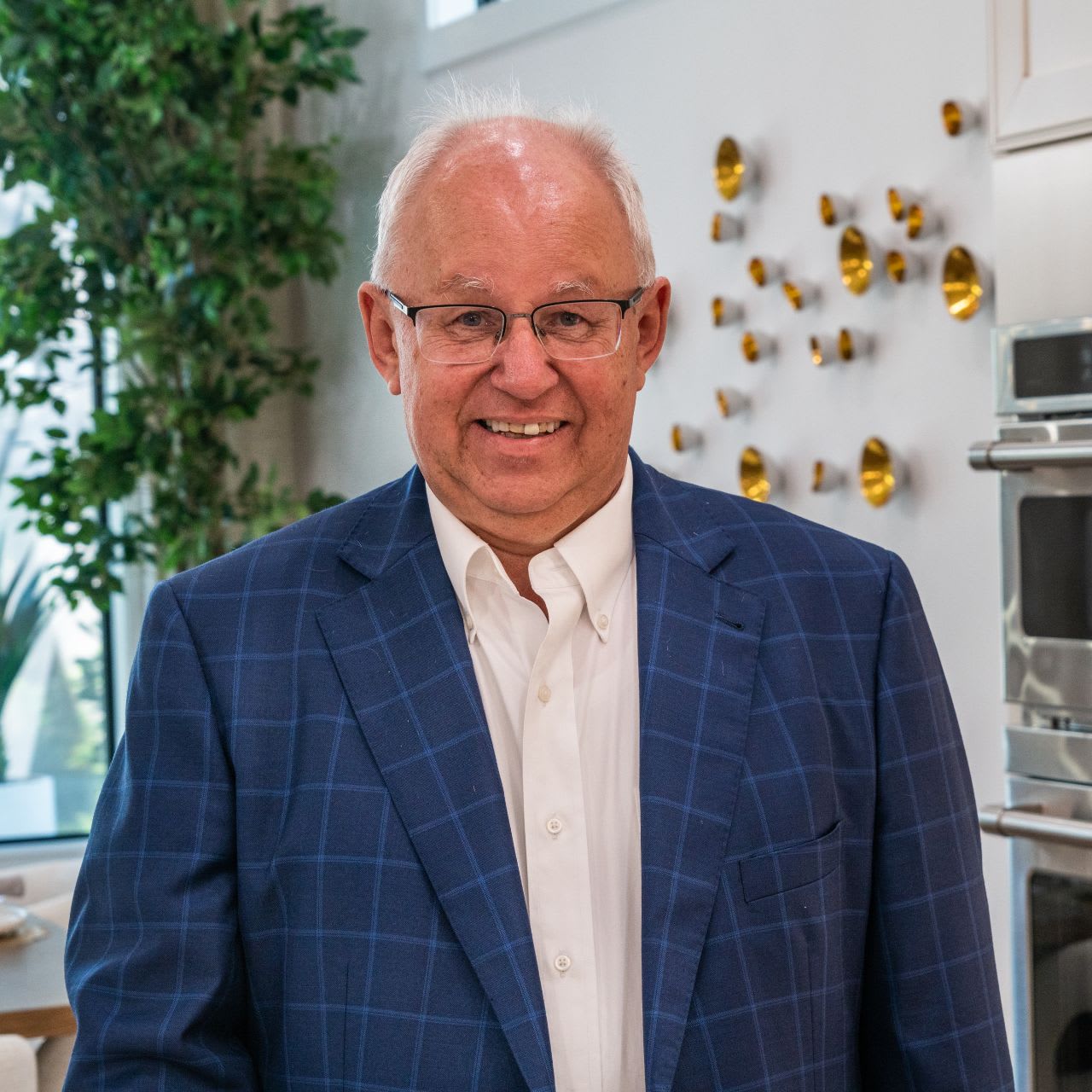
Ben Bryk is Co-Founding Principal of Vero Premier Properties, the Signature Division of Coldwell Banker Global Luxury, on the Vero Beach barrier island. A Northeast transplant himself, he has spent nearly two decades helping relocating families read the coastal market with clear eyes.
His practice holds RealTrends Verified Top 1.5% national standing, with more than $1.2 billion in career sales across 2,000-plus transactions.




This article is market commentary for general information and is not tax, legal or investment advice. Property values, membership terms, builder pricing and the status of Amendment 3 change over time and should be verified with the relevant club, builder and a licensed tax professional or attorney before any decision. Ben Bryk and Vero Premier Properties are not licensed tax advisors. Coldwell Banker Global Luxury and the Coldwell Banker logos are marks of Coldwell Banker Real Estate LLC. Club, community and organization names and logos are the property of their respective owners and are used here for identification and editorial purposes.