On June 12, SpaceX priced the largest initial public offering in history at $135 a share, raised $75 billion, and closed its first trading day at a valuation north of $2 trillion after shares jumped 19 percent. Roughly 4,400 employees became millionaires before the market closed, and Elon Musk became the world's first trillionaire. Anthropic filed a confidential draft registration with the SEC on June 1; bankers and prediction markets are now pointing to an October Nasdaq listing. OpenAI, watching SpaceX shares slide from above $225 to $153 in the two weeks after debut, is reportedly leaning toward 2027. Stripe and Databricks are waiting in the wings.
For real estate, the question was never whether this capital would move. It was where.
In New York, brokers describe a wave of newly liquid tech employees signing leases rather than contracts. Ian Slater, co-founder of the Manhattan brokerage Trove Partners, told Inman News he is currently working with tech clients whose monthly rental budgets run from $50,000 to $150,000 — extraordinary sums attached to flexibility rather than a deed. Manhattan's for-sale luxury inventory, meanwhile, sat near a twenty-year low through the first quarter of 2026, down 27 percent year over year, according to appraiser Jonathan Miller. Slater points to New York's new pied-à-terre tax, effective this year, as a further push toward renting: for a non-resident buyer at a high price point, the carrying costs and the tax now outweigh the case for owning outright.
The behavioral logic underneath this is straightforward once explained. Selling appreciated stock triggers a capital-gains event; borrowing against it does not. Employees holding shares in fast-appreciating companies increasingly choose to borrow, or simply rent, rather than sell — a strategy sometimes called buy, borrow, die, since the tax basis resets entirely at death. It is a wealth-preservation instinct that happens to produce a lot of very well-funded tenants.
The Bay Area is absorbing the same wealth differently. Where New York's newly liquid workforce is renting, Palo Alto-area buyers are closing on move-in-ready homes before construction even finishes, according to Maor Greenberg, chief executive of the Palo Alto construction technology firm Spacial. Buyers increasingly arrive with wealth-management infrastructure and bank financing already in place, positioned ahead of a liquidity event rather than reacting to it. San Francisco's unsold housing inventory sits near 1.2 months of supply, and the broader Bay Area near 2.2 months — both well under the four-to-six-month range considered a balanced market. Statewide, California inventory fell 2.1 percent year over year as of March. Palo Alto homes that sold for $400,000 to $500,000 a generation ago now carry a citywide median near $3.6 million, per Redfin; even a teardown lot runs upward of $1.2 million.
Neither market has room. That is the part of this story that has not been written yet.
The Tax Arithmetic That Changes Behavior
Every liquidity event eventually forces a domicile decision, and for the coming wave of IPO wealth, that decision is arithmetic before it is anything else. Florida offers a structure neither New York nor California can match: no state income tax, no state estate tax, and an effective property tax burden near 1 percent — three figures real estate professionals in this market have taken to calling the Financial Trifecta. For an employee eventually monetizing a concentrated stock position, whether through an outright sale, a scheduled trading plan, or the "borrow" side of buy-borrow-die, the state where that event occurs is arguably the single highest-leverage decision in the entire transaction.
Pending — Not Yet Law
There is also a clock running. HJR 1-F, a homestead-related constitutional amendment passed by the Florida Legislature on June 2, 2026, will appear before voters as Amendment 3 this November and requires 60 percent approval. If passed, it would establish December 31, 2026 as a domicile reference point. It is pending legislation, not settled law, and nothing here should be read as tax or legal advice — but buyers already tracking the calendar are treating year-end as a soft deadline.
What the Same Two Million Dollars Buys
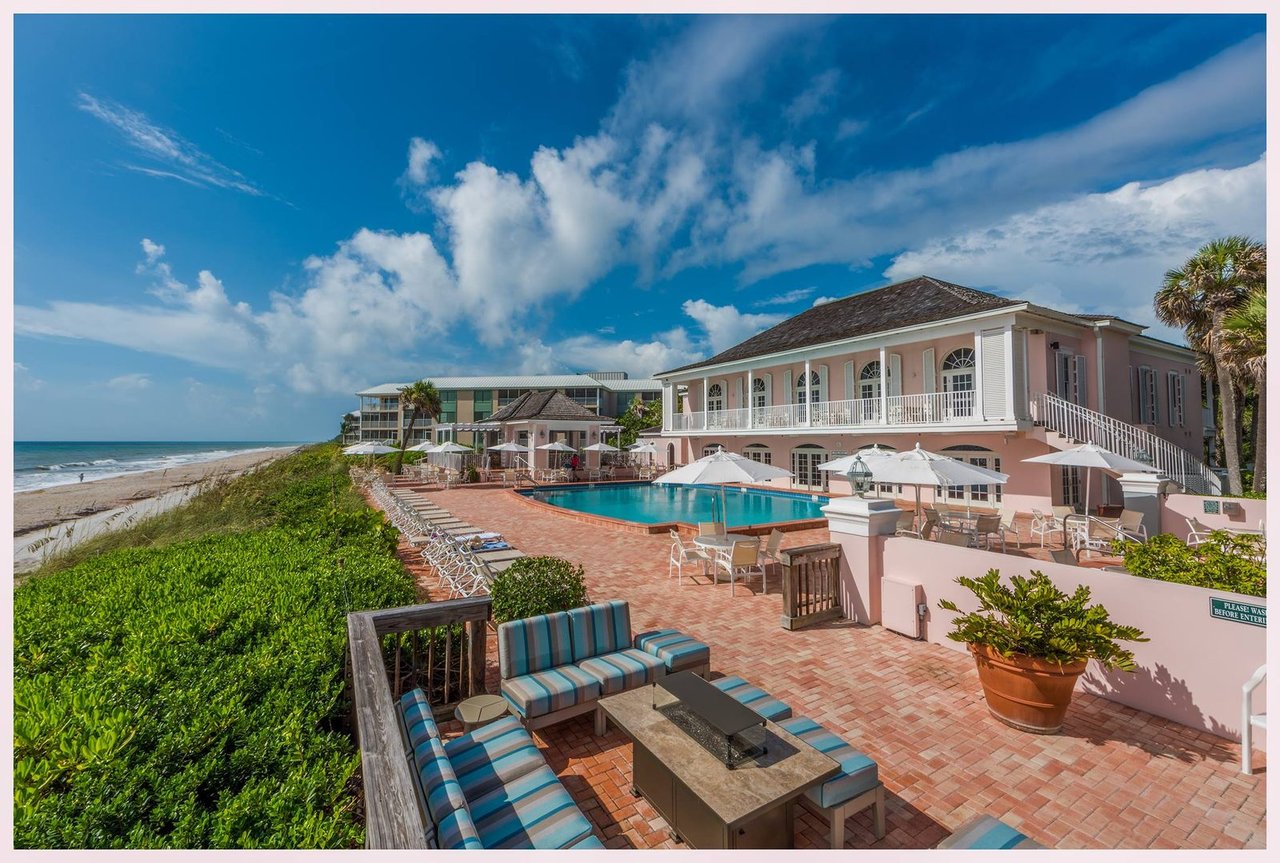
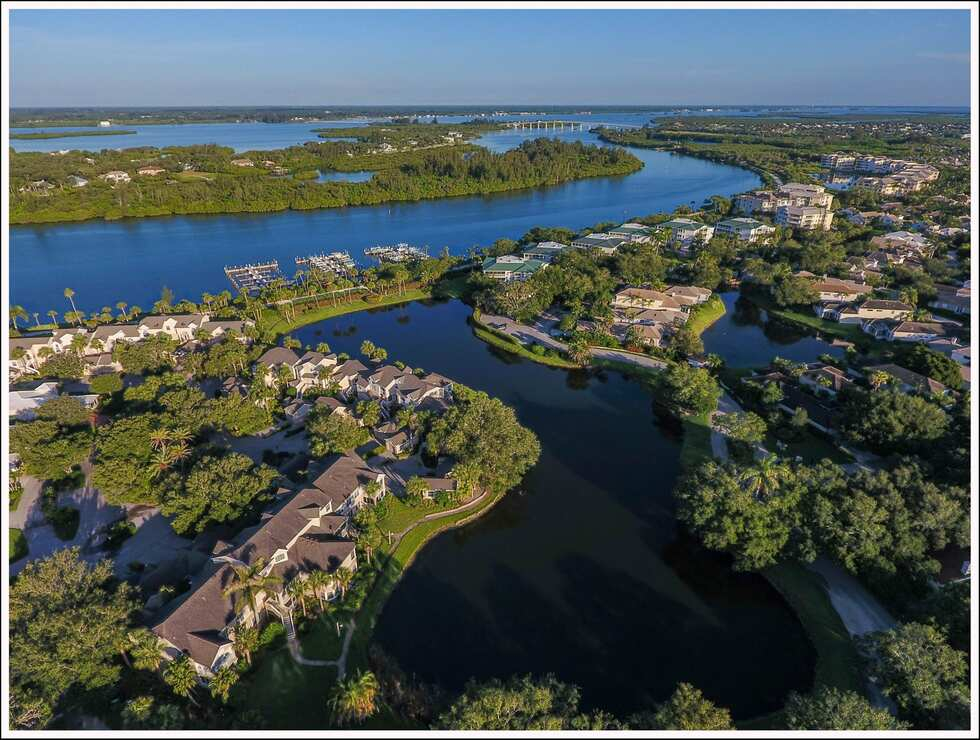
Vero Premier Properties' own barrier island transactions average roughly $1.99 million — a figure that lands well below Palo Alto's citywide median and roughly 66 percent below comparable inventory in Naples, the closest analog market on Florida's Gulf Coast. It also arrives in a market that already skews toward the buyer this wave will produce: 62.7 percent of barrier island transactions here close in all cash, among the highest rates tracked nationally, a pattern that fits a buyer pool built on equity events rather than mortgage pre-approvals.
Market | Typical Price Point | What It Buys | Supply Conditions |
|---|---|---|---|
Palo Alto, CA | $3.6M citywide median | Existing single-family home | 1.2–2.2 months of inventory (Bay Area) |
Bay Area Regional | $1.25M median | Broad regional benchmark | Same constrained inventory |
Manhattan Luxury Rental | $50K–150K / month | Leased, builds no equity | For-sale supply near 20-year low |
Vero Beach Barrier Island | ~$1.99M average¹ | Deeded single-family home | Substantially less supply pressure than either coastal hub |
¹ Vero Premier Properties barrier island transaction data. Other figures per Inman News, Redfin, and appraiser Jonathan Miller.
The Lockup Clock
Lockup periods complicate every one of these transactions. Employees typically cannot sell IPO stock for six months after debut, sometimes on a tiered schedule. Slater described one client heavily invested in Anthropic who expects to be liquid roughly six months after that company's IPO, yet plans to hold the stock on a bet that it keeps appreciating — meaning he does not intend to close on real estate until 2028 or 2029. Others are pre-leasing New York developments that will not finish for a year or two, timing their move to a building's completion date rather than their own liquidity date.
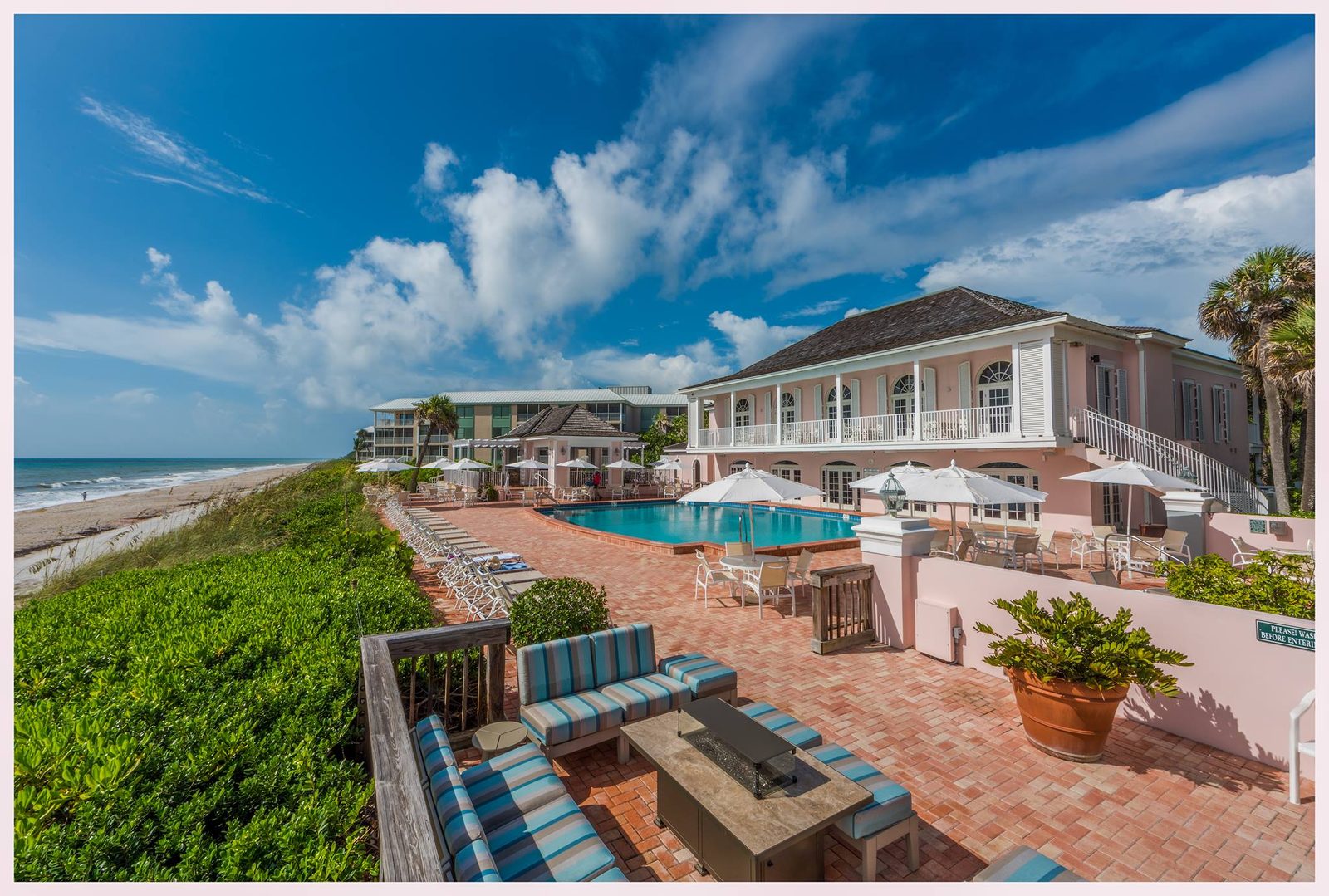
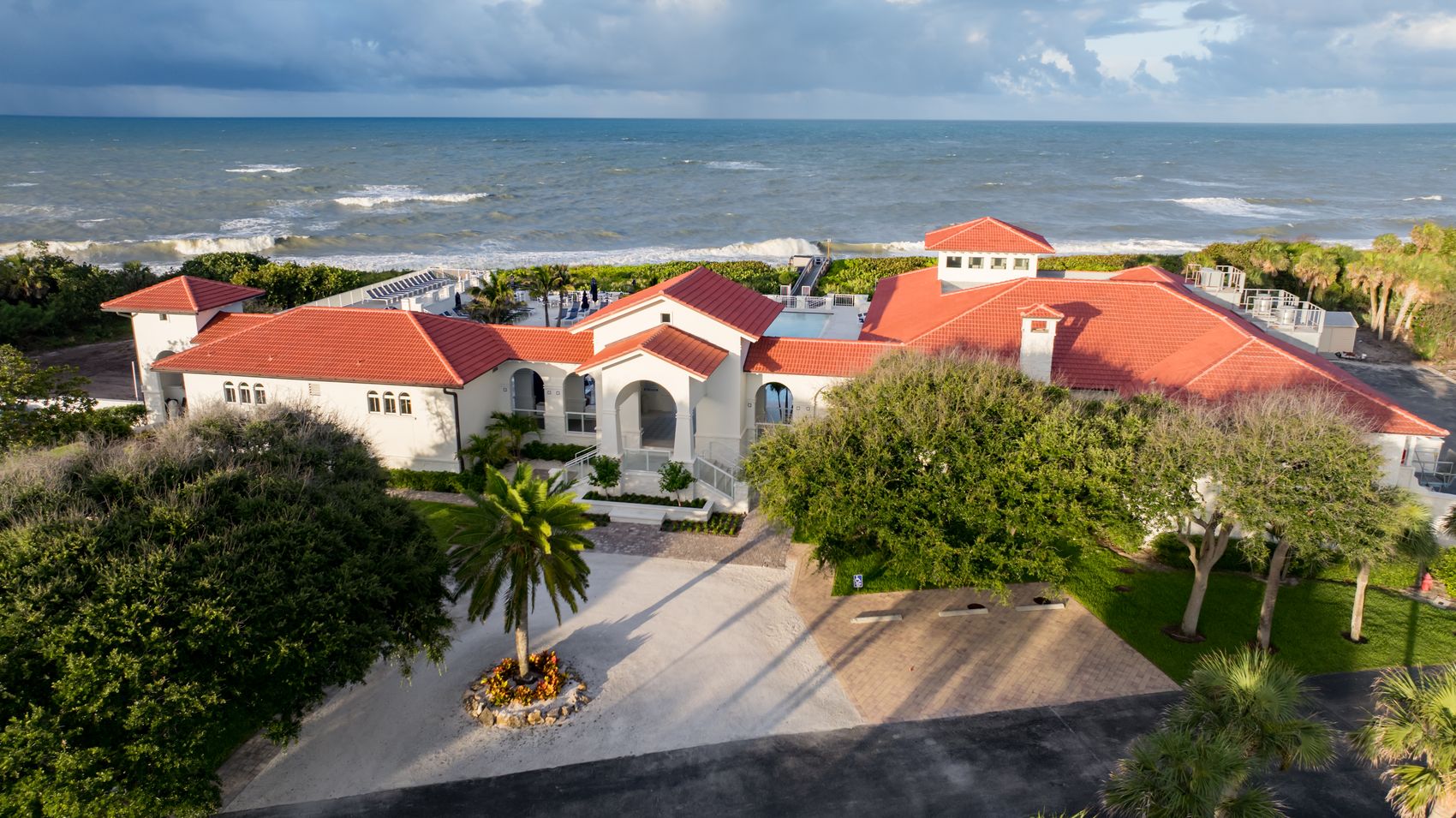
That same instinct — positioning ahead of a liquidity event rather than reacting to it — is increasingly visible on Florida's barrier islands as well, where forward-looking buyers track capital improvement programs, such as Grand Harbor's $36 million clubhouse and wellness investment, the way a New York renter tracks a building's construction timeline: not for today's transaction, but for the one two or three years out.
The Northeast Corridor Still Feeds This Market
None of this is entirely new to Vero Beach. The barrier island has absorbed wealth migrating out of Fairfield County, Westchester, and Greater Boston for two decades, long before this particular IPO cycle began. What is new is the buyer profile: younger, faster to liquidity, and — per Greenberg's account from Palo Alto — increasingly focused on schools, security, and permanence once the initial adjustment period after a fresh liquidity event has passed. Vero Premier Properties maintains direct referral relationships with Coldwell Banker Global Luxury offices in Greenwich, Darien, New Canaan, and Ridgefield for exactly this reason: the same families cashing out in San Francisco often have a Connecticut chapter still ahead of them, and, increasingly, a Florida chapter after that.
The Season Ahead
Slater expects this money to arrive at scale in New York this fall and winter, as the first tranche of SpaceX shares clears lockup and Anthropic's roadshow gets underway. That timing lines up with Vero Beach's own calendar. The barrier island's traditional season runs October through April — the same window in which Breeze Airways opens new nonstop routes into Vero Beach, and the same window that precedes HJR 1-F's proposed December 31 domicile deadline, should voters approve Amendment 3 in November. For a market watching two coasts absorb capital they cannot comfortably hold, the calendar is doing some of the work the pitch usually has to do.
Market and legislative information cited reflects publicly reported figures from Inman News, Redfin, and Florida legislative records as of July 2026, together with Vero Premier Properties' internal barrier island transaction data, and is provided for general informational purposes only. HJR 1-F is a pending constitutional amendment subject to voter approval in November 2026 and is not settled law. Nothing in this article constitutes tax, legal, or financial advice. Buyers and sellers evaluating a Florida domicile change should consult qualified tax counsel, estate counsel, and a licensed Florida real estate attorney regarding their individual circumstances. Vero Premier Properties is the Signature Division of Coldwell Banker Global Luxury.