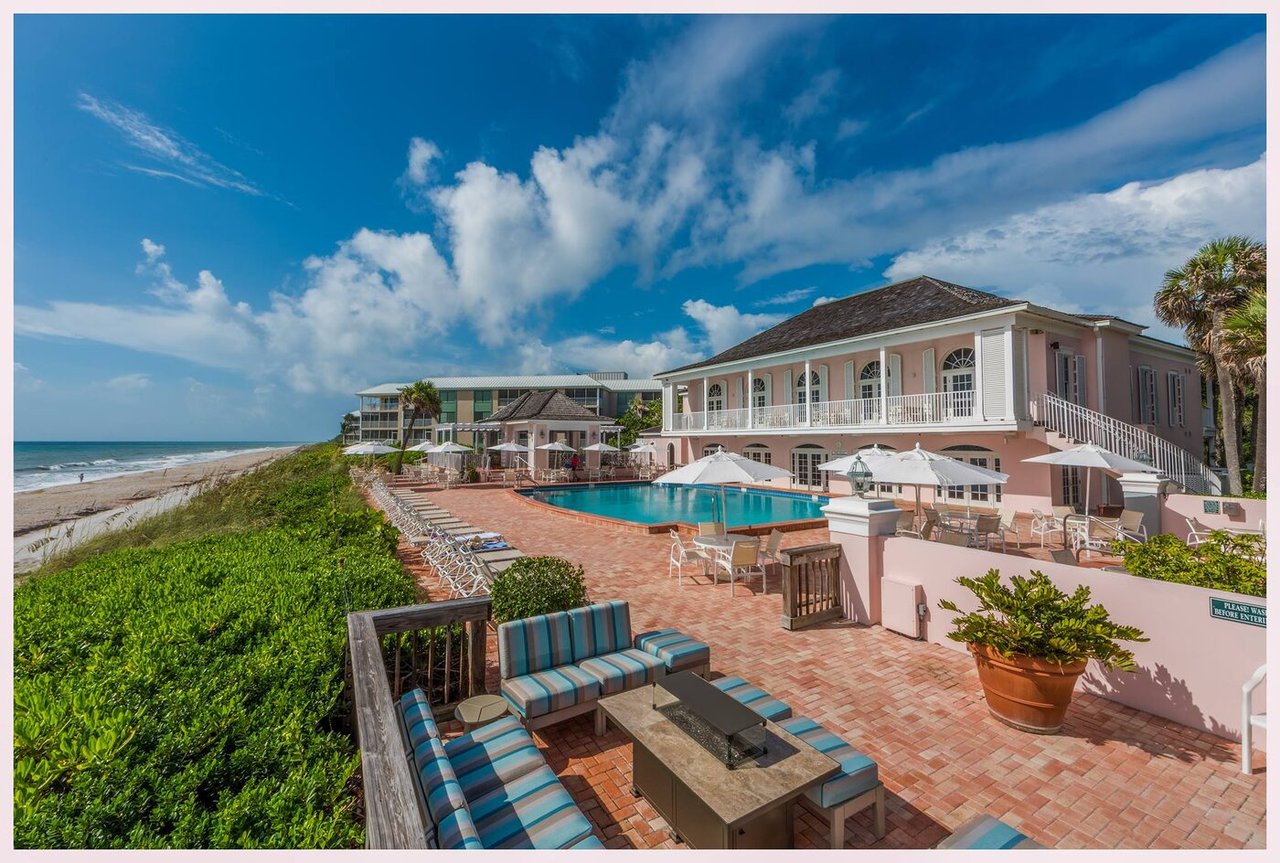

The Florida Luxury Arbitrage: What $2 Million Buys on Each Coast
Naples has spent decades as Florida's marquee luxury address, and its prices reflect it. For comparable luxury product—oceanfront estates, gated golf communities, private club homes—the Vero Beach barrier island runs approximately 66% below. That gap is not an accident, and it will not last indefinitely.
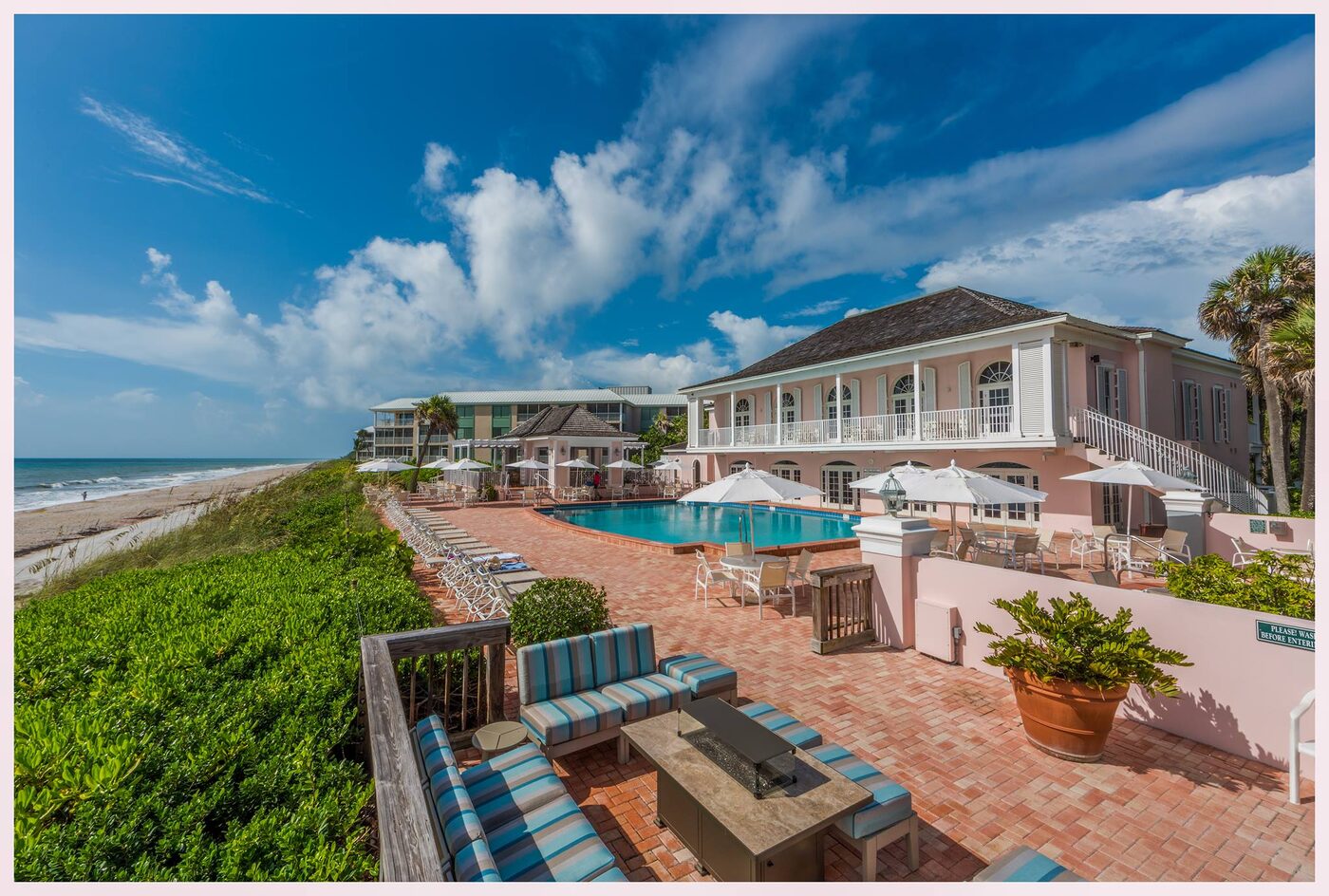
There is a comparison that every buyer considering Florida luxury real estate eventually makes, whether they make it deliberately or not. They look at what they can afford in Naples—the established, well-marketed, thoroughly understood address on the Gulf Coast—and they look at what the same capital buys on Florida's Atlantic side. The conclusion of that comparison, done rigorously with current market data and like-for-like properties, is consistent and significant: for comparable luxury product, the barrier island here prices approximately 66% below what Naples commands. That is by our analysis of equivalent listings across oceanfront, golf community, and private club segments.
I want to be precise about what "comparable" means in that sentence, because precision is everything in a market analysis. This is not a raw overall median comparison — Naples and Vero Beach sit in a broadly similar median tier when you include every transaction across all price points, all property types, and all neighborhoods on both sides. The gap lives, emphatically, in the luxury segment: in what a dollar buys at the $2 million entry point, at the $4 million tier, and at the oceanfront segment where the two markets are truly competing for the same buyer. That is where the 66% matters, and that is the comparison worth making.
The mechanics of the gap
Naples has a name-recognition premium that is real and documented. Collier County's per-capita income is among the highest in the Southeast. The luxury enclave infrastructure — the clubs, the marinas, the restaurant culture, the art season — is exceptional and has been built and refined over decades. Port Royal and Aqualane Shores regularly trade at $5 million to $25 million and above. Pelican Bay's single-family homes run $2 million to $8 million. Park Shore and the Moorings command $800,000 to $4 million for Gulf-access product. That is a sophisticated, deeply established luxury market, and it prices accordingly.
What that means practically is that a buyer in Naples is paying for the address as much as the property. The address is worth something — the question is whether it is worth the premium on the specific terms of their transaction. For a buyer whose value proposition is brand recognition in a social context, Naples may be exactly right. For a buyer whose value proposition is the quantity, quality, and privacy of the physical asset they are acquiring, the arithmetic of this market is different.
Below Comparable Naples
Naples, Mid-2026
Sold Price, March 2026
The tier-by-tier comparison
Abstract percentages are less useful than a concrete account of what each market actually delivers at a given price point. Here is the comparison at three tiers that define the luxury buyer's range of choice:
The pattern across all three tiers is the same: the Vero Beach buyer is acquiring more physical asset—more land, more frontage, more structure, more privacy—for the same capital, in exchange for an address that carries less national brand recognition. The buyer for whom that trade makes sense is, increasingly, the buyer relocating primarily for the lifestyle and the financial conditions rather than for the social identity of a well-known zip code.
Naples sells an address as much as a property. Vero Beach sells the property. For a growing share of the buyer population, those are not the same purchase.
What the market data says right now
The gap in value is not the only gap that has opened between the two coasts. The two markets are also moving in different directions simultaneously, which compounds the arbitrage opportunity for buyers who are paying attention.
These are not predictions. They are the actual market readings for each coast right now. Naples is a buyer's market, with rising inventory, falling prices, and an extended sales timeline. The Vero Beach barrier island is tightening: inventory declining, pending sales surging, and well-priced property moving in days rather than months. A buyer who completes a comparison that starts with the value gap and ends here finds themselves looking at a market that is cheaper and strengthening, versus a market that was already more expensive and is now softening.
The amenity ecosystem: closer than it appears
The objection a Naples advocate would make at this point is the amenity argument: Naples has a depth and density of restaurants, cultural infrastructure, retail, and club life that Vero Beach simply cannot match. That is true, and it is worth acknowledging rather than dismissing.
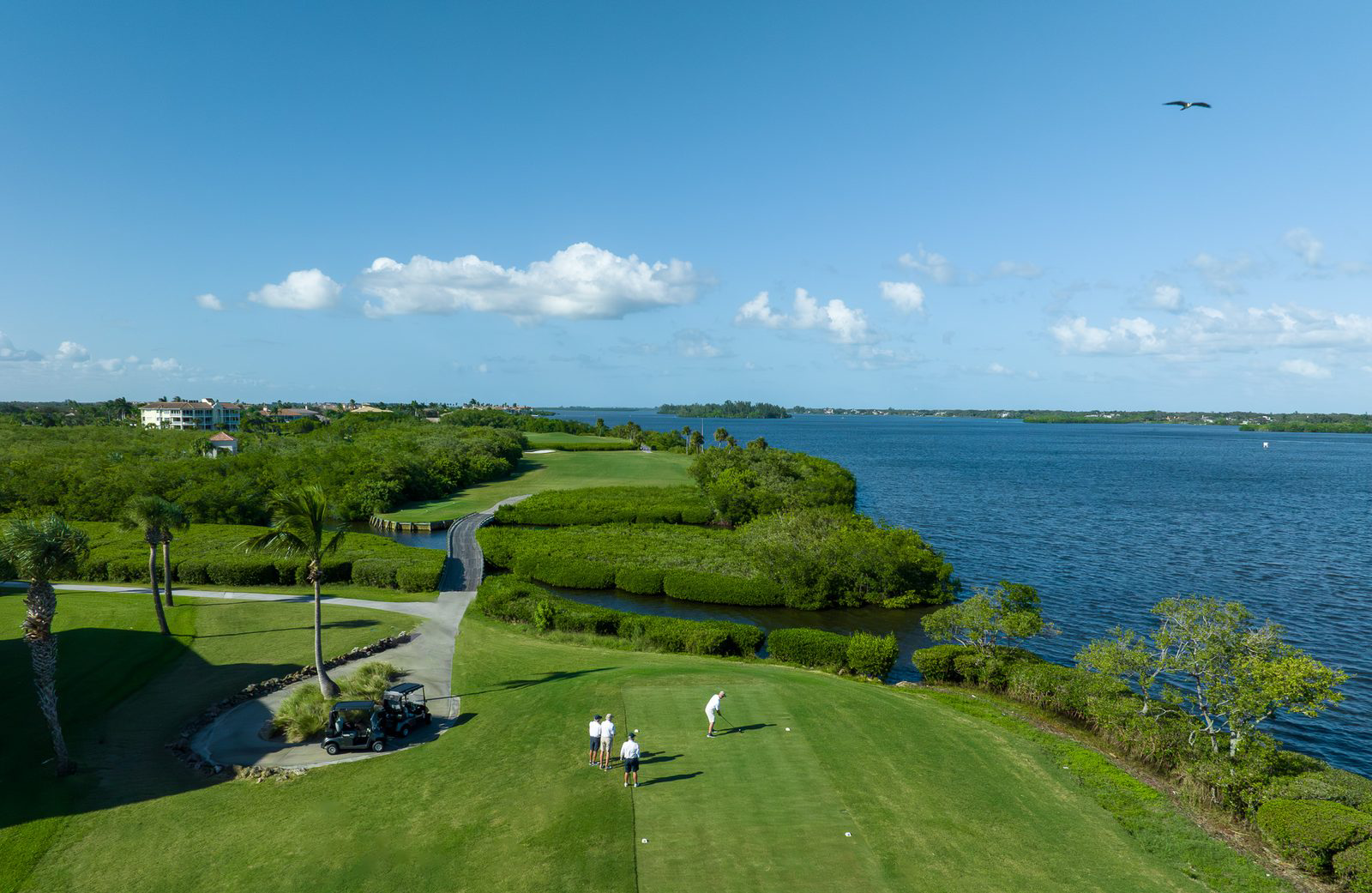
But the amenity argument is worth interrogating on the buyer's actual terms. The buyers arriving on the Vero Beach barrier island in 2026 are not, in the main, buyers who failed to get into Naples. They are buyers who evaluated both markets and made a deliberate choice. What they are choosing is not a lesser version of Naples; it is a different version of Florida luxury — less dense, less seasonal-crowd-driven, more oriented around the private club ecosystem within the gate and less around what happens on the commercial strip outside it. John's Island, Windsor, Grand Harbor, Orchid Island: the private club culture here is not a substitute for Naples. It is a different category of amenity, and for a growing buyer segment, a preferred one.
And the healthcare anchor matters here in a way it does not at most luxury addresses. Cleveland Clinic Indian River Hospital is roughly ten minutes from the barrier island — a nationally recognized academic medical center. For the multigenerational or aging-in-place buyer, that is infrastructure that Naples cannot simply purchase or replicate.
The window, and why it is finite
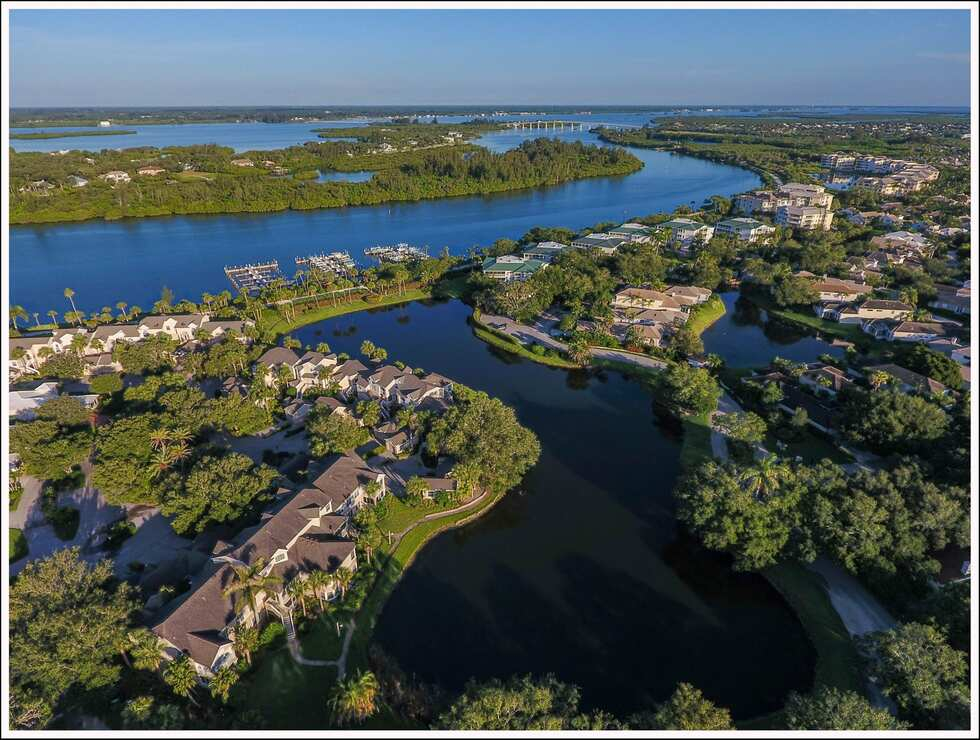
The 66% gap exists for a reason, and the reason is not product quality. Vero Beach has been a well-kept secret in the national luxury market for a long time, known to the Northeast and Midwest families who have been wintering here for decades, but largely invisible to the broader relocating audience that drives the most significant price appreciation in Florida's recognized markets. That invisibility is eroding, and the market data above reflects the early stages of what happens when a price-to-quality gap reaches the attention of a wider buyer base.
I am not in the business of manufacturing urgency where it does not exist. But I will say what the data shows: a market where inventory is falling, pending sales are doubling, and prices are climbing off a low base is not a market where the 66% gap will hold indefinitely. The buyers who have moved here in the past two years are precisely the ones who close that gap — by competing for the same limited supply, raising prices, and removing the argument that Vero Beach is underpriced because it is underappreciated. That process is already underway.



See what $2M actually buys here
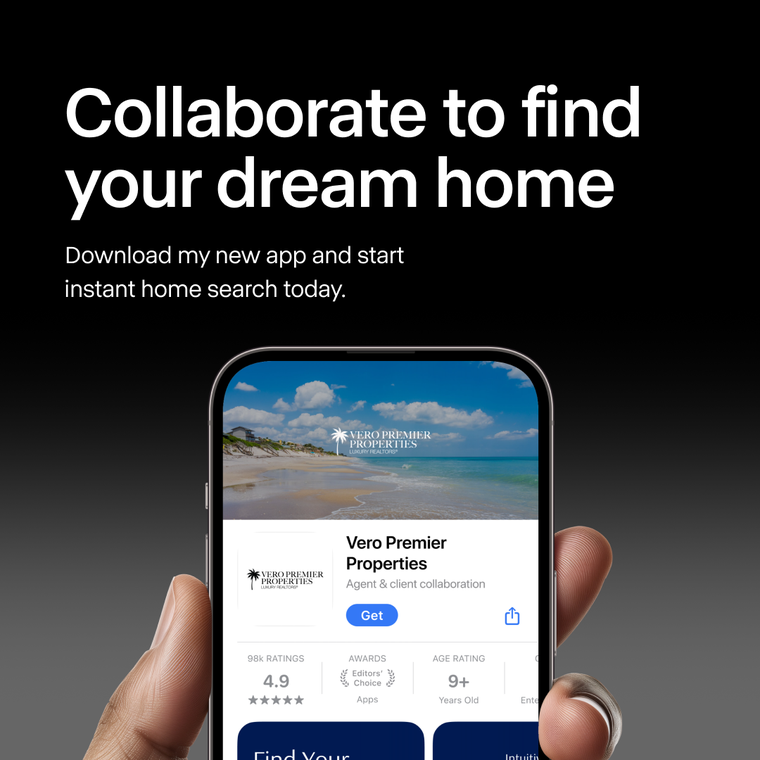
Our proprietary app—the only luxury real estate app within roughly 100 miles of Vero Beach—lets you search live barrier island inventory in real time before you ever make the drive from Naples or Miami.
The bottom line
The Florida luxury arbitrage is not a rumor or a marketing claim. It is a measurable, current feature of two well-documented markets on opposite coasts of the same state, governed by the same tax regime, served by the same national buyer base, and priced at a gap that, for comparable luxury product, runs approximately 66% in favor of the Atlantic coast. That gap is explained by name recognition, not by product quality. It is narrowing, not widening. And the buyers who understand it earliest tend to capture the most of it.
Frequently asked questions
How does Vero Beach luxury real estate compare in price to Naples?
Why is Vero Beach less expensive than Naples for luxury real estate?
Is Vero Beach a buyer's market compared to Naples?
What communities in Vero Beach compare to Naples luxury communities?
Run the east-coast-vs-west-coast comparison with us
If you are weighing Vero Beach against Naples—or against Miami, Palm Beach, or the Hamptons—we will walk you through a property-for-property comparison at your price point.
This article is provided for informational purposes and reflects market observations and publicly reported information as of June 2026. The approximately 66% pricing differential cited reflects Vero Premier Properties' analysis of comparable luxury listings across oceanfront, golf community, and private club segments and is not a raw median comparison across all property types and price points. Naples market data sourced from Redfin, NABOR, and publicly reported figures believed reliable but not independently audited by Vero Premier Properties. Vero Beach barrier island data sourced from local MLS reporting. All market figures are subject to change. Nothing herein constitutes investment, legal, or financial advice. This is not a solicitation of property currently listed with another brokerage. Equal Housing Opportunity.