Barrington Hills is one of the more deliberate communities in the American Midwest. The five-acre minimum lot is not a zoning footnote — it is a statement of values. Land matters here. Space matters. The bridle paths that wind through mature hardwoods, the equestrian facilities, the private club culture, the sense that the estate is not merely a residence but an environment — these are the things that drew its residents there and have kept them. The median estate now trades near $1.8 million, with active listings clustering above $2.2 million. The market is illiquid by design, slow by preference, and composed of buyers who are in no hurry to be anywhere but here.
What is changing is the cost of that conviction.
At Barrington Hills' effective property tax rate of approximately 2.3 percent, a median estate near $1.8 million carries a property tax bill of roughly $41,000 to $45,000 annually — before a dollar of Illinois' flat 4.95 percent income tax is assessed. Illinois now imposes the highest combined state and local tax burden in the nation: $13,099 per household annually, $4,472 above the national average, nearly 52 percent more. For the Barrington Hills household, the property tax alone is already running at multiples of that national benchmark.
IThe tax that grows with the land
The Barrington Hills estate appreciates. So does the tax assessed against it. Unlike the income tax — which the household can, in theory, reduce by earning less — the property tax simply rises with the value of the asset, regardless of what the owner does or does not do in any given year. It is a levy on the decision to stay, compounding annually, with no ceiling and no relief beyond exemptions the state has structured to be modest.
Layer Illinois' flat 4.95 percent income tax atop the property burden, and a Barrington Hills household earning $400,000 surrenders roughly $20,000 more to the state before the property tax is even counted. On $600,000, nearly $30,000. There is no bracket that protects high earners. There is no cap that rewards longevity. The system extracts more from those who have accumulated more — consistently, permanently, and without acknowledgment of what the accumulation required.
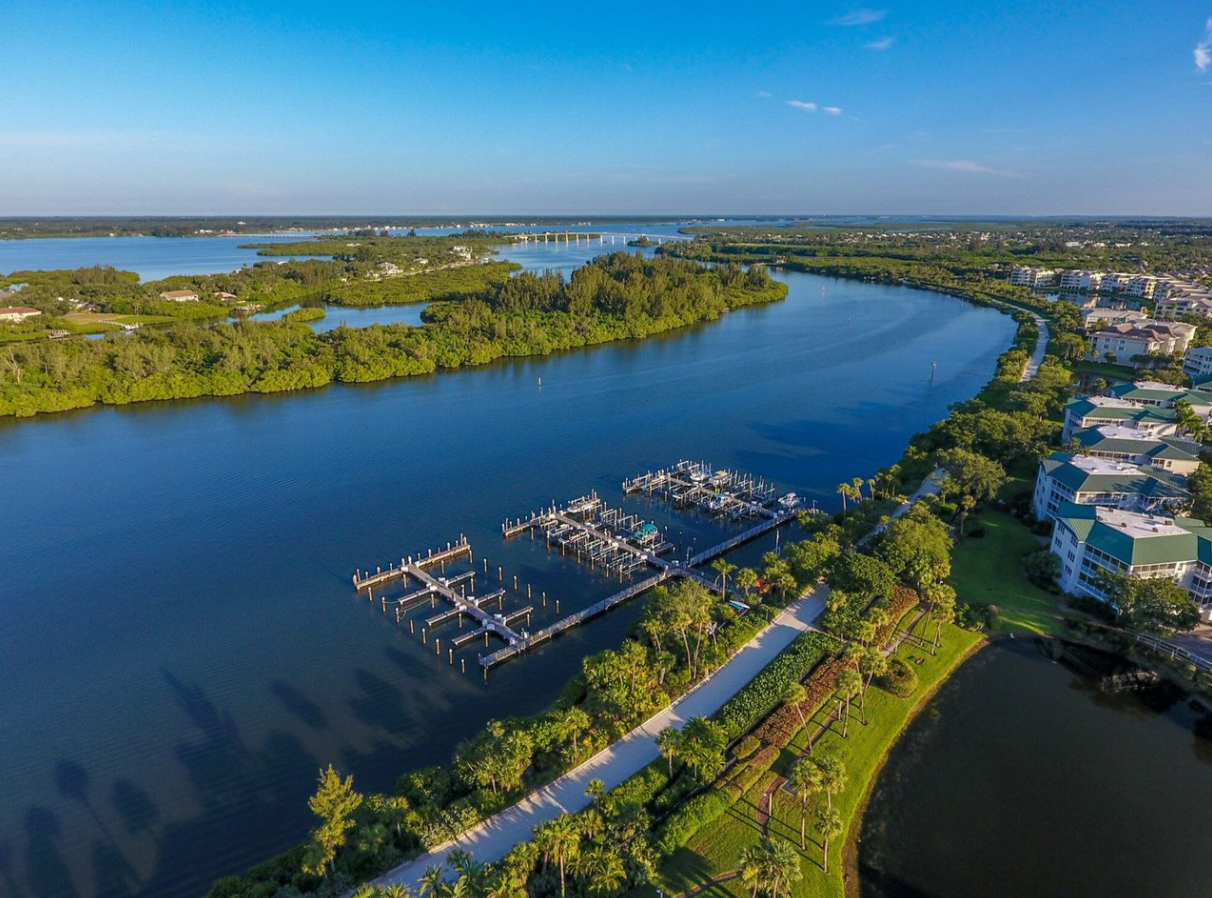
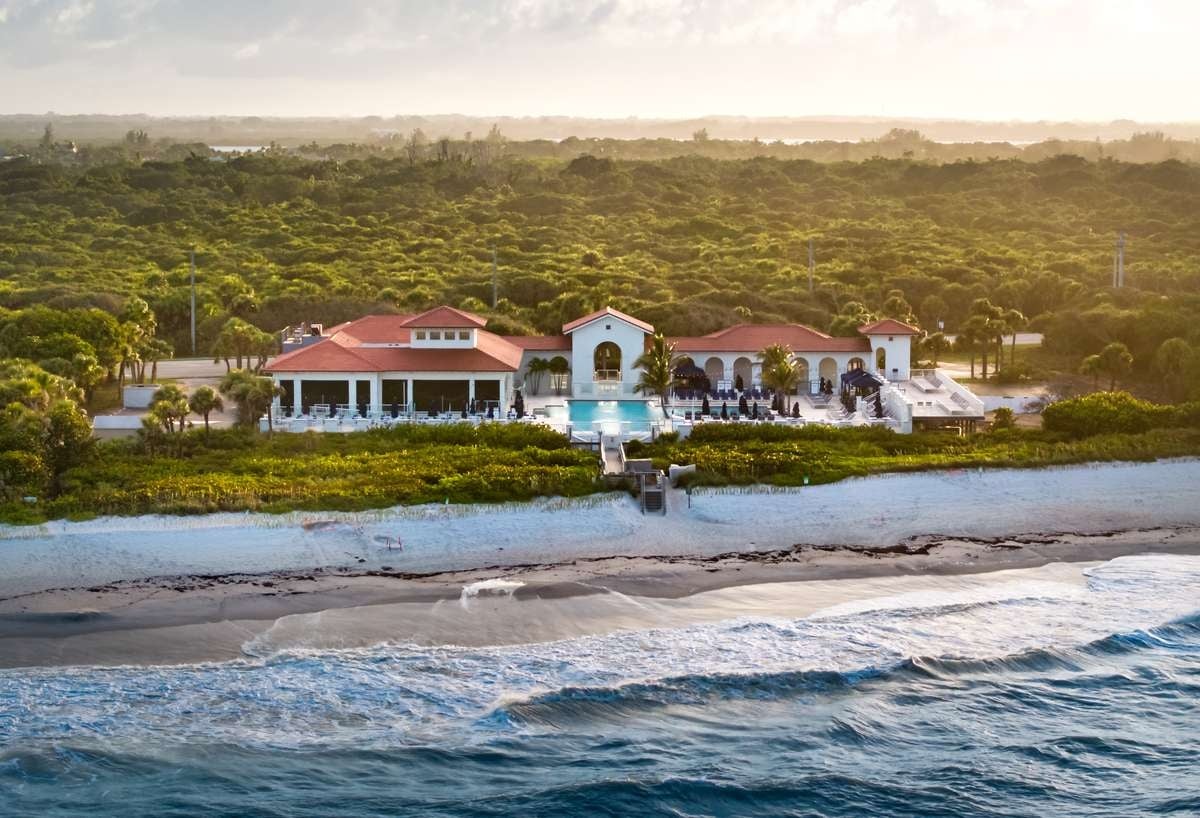
IISea Oaks: the estate instinct, on the lagoon
The Barrington Hills buyer is not a buyer who compromises. The instinct that requires five acres in Illinois — the preference for space, natural setting, privacy, and club culture — does not diminish when the address changes. What the buyer needs is a community that honors the same values on the Atlantic that Barrington Hills honors in the Illinois countryside.