Please note: The data visualization embeds on this page is best viewed on a laptop or desktop computer.
Interest rates and all-cash buyers are dancing in a waltz: As interest rates rise and take the lead, cash buyers follow, stepping more confidently onto the floor and becoming a bigger part of the market. Since October 2022, mortgage rates have climbed from their pandemic lows, held above 6% through 2023 and 2024, peaked near 8%, and only recently eased to around 6.19%, a trajectory that has made borrowing increasingly expensive. At the same time, rising home equity has armed many existing homeowners with the financial leverage to make cash offers, allowing them to convert years of price appreciation into immediate purchasing power. Data from NAR's REALTORS® Confidence Index indicates that over the past three years, more than a quarter of the real estate market was made up of all-cash home buyers who did not finance their recent home purchase. In October 2025, 29% of home buyers had all-cash sales, virtually unchanged from 30% the month prior, and up from 27% one year ago. Put simply, as borrowing becomes more expensive, paying with cash starts to look like a smarter, more competitive choice.
Made with Flourish • Create your own
What do we know about these all-cash buyers? Data from the last 10 months of the REALTORS® Confidence Index shows that all-cash buyers are more likely to be vacation buyers and investors; 57% of vacation home buyers and 56% of investment buyers purchased homes with all cash. Nearly one-in-five (18%) primary residence buyers used all cash to purchase their new home.
Made with Flourish • Create your own
Utilizing data from NAR's Profile of Home Buyers and Sellers, we can see there has been a notable rise in all-cash repeat primary residence buyers over the past 20 years. In 2025, 30% of repeat buyers paid in all cash, a marginal decrease from 2024 when 31% paid in all cash—an all-time high. In comparison, in 2003 only 10% of repeat primary residence home buyers paid in all cash, and prior to the COVID-19 pandemic, 16% did. Although not as common, there has also been a marginal increase in all-cash buying among first-time primary residence buyers. In 2025, 8% of first-time buyers made all-cash purchases, compared with 4% in 2003.
Made with Flourish • Create your own
All-cash buyers tend to be older and more financially established, a pattern that emerges clearly when compared with those who rely on financing. All-cash first-time buyers have a median age of 58, compared with 38 for financing-dependent first-time buyers. This age gap persists in the repeat-buyer market as well: Among repeat buyers, those paying all cash have a median age of 68, while financing buyers reported a median age of 58. These figures highlight how accumulated equity is shaped by who is able to purchase a home without borrowing.
Sixty percent of all-cash repeat primary-residence buyers funded their purchase with equity from a home they continue to own or from the sale of their previous residence. Repeat buyers have the privilege that first-time buyers do not have: time to build substantial home equity. These all-cash repeat buyers had time to establish equity in their homes, which was then utilized for their real estate purchase. That equity becomes a powerful engine for personal and generational wealth.
Made with Flourish • Create your own
First-time home buyers who were able to purchase their home with all cash leaned heavily on inheritance and the proceeds from the sale of a primary residence to purchase their new homes. Thirty-eight percent of first-time all-cash buyers utilized the proceeds from the sale of their primary residence and inheritance to purchase their home. In comparison, among first-time buyers who had to finance their purchase, only 13% utilized the same resources. These buyers were likely selling an inherited home and rolling the proceeds into their next purchase. These buyers, too, were older, with a median age of 58 years old. Financing-dependent first-time home buyers were more likely to utilize their savings than those who paid all cash; 62% of financing home buyers utilized their savings, versus the 37% of first-time all-cash buyers.
Made with Flourish • Create your own
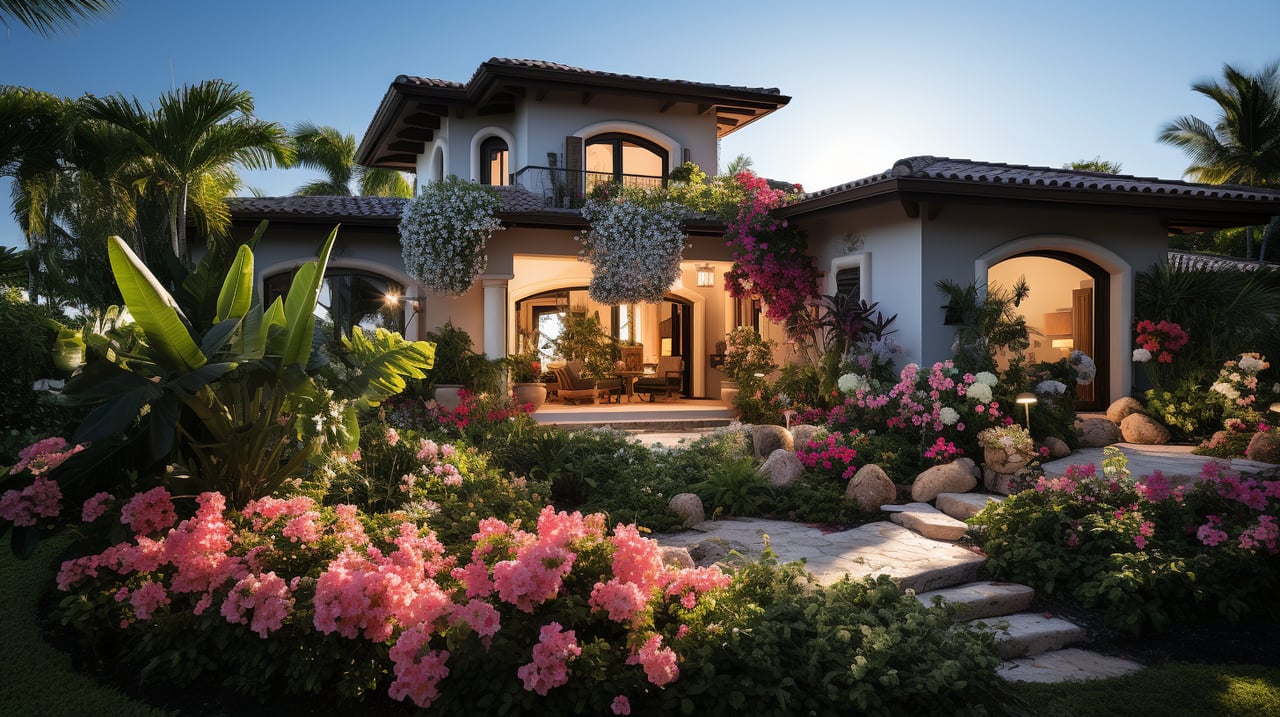
Nowhere is this cash-dominant dynamic more pronounced than in Vero Beach, Florida (including the Sebastian-Vero Beach metro area), which stands as the number one cash market in the US. Recent analyses and market reports show that the Sebastian-Vero Beach area leads the nation with approximately 62.7% of home purchases made in all cash—far surpassing the national average of around 28-29% and outpacing other Florida hotspots like Punta Gorda (59.8%) and Naples (56.1%). This remarkable figure is driven by affluent retirees, equity-rich relocators from high-tax states, investors, and second-home buyers who are drawn to Vero Beach's serene beaches, world-class golf, low-key elegance, and relative value compared to denser South Florida markets.
In Indian River County (encompassing Vero Beach), cash buyers—often older, financially secure individuals unfazed by elevated mortgage rates—have created a resilient pocket of the market. Luxury and waterfront segments are particularly cash-heavy, with many high-end properties closing without financing at all. This dominance provides a buffer against broader cooling trends, such as longer days on market and moderated price growth statewide, while underscoring Vero Beach's appeal as a laid-back coastal paradise for those prioritizing stability and quality of life over borrowing costs.
In the end, the story of all-cash buyers is a reminder of how closely the housing market moves to the rhythm of interest rates. As borrowing costs rise, cash steps forward with greater confidence, drawing more buyers onto the floor who can rely on equity and inheritance rather than loans. But this dance also reveals a widening gap: Affordability concerns still loom over the housing market, with a quarter of REALTORS® (25%) citing it as the most important factor limiting potential clients from making a purchase, followed by the lack of inventory (17%) and difficulty finding the right property (10%). Repeat buyers, buoyed by decades of accumulated equity, glide far more easily than first-time buyers who must rely on savings or rare windfalls to keep pace. In places like Vero Beach, the waltz is led decisively by cash, highlighting how certain markets thrive when rate-insensitive buyers take center stage
Click here to view luxury homes and condos in Vero Beach