On June 12, SpaceX completed the largest initial public offering in Wall Street history, raising $75 billion and briefly pushing the company’s market value above $2 trillion. Elon Musk became the world’s first trillionaire. Roughly 4,000 current and former SpaceX employees became millionaires overnight, and by some estimates 400 of them are now worth $100 million or more. Real estate brokers near the company’s Hawthorne, California headquarters reported buyer calls before the closing bell had finished ringing.
The story is no longer confined to Southern California. On August 6 — two trading days after SpaceX reports its first quarterly earnings as a public company — the stock’s initial lock-up expires, freeing up to 911.5 million shares, worth well over $100 billion at recent prices, for insiders to sell for the first time. It is, by share count, the largest single lock-up release on record, exceeding SpaceX’s entire public float. A second tranche of roughly 455.8 million shares could follow within weeks, but only if the stock trades at least 30 percent above its $135 offer price into that window — a bar it has not been close to clearing in recent sessions. Musk’s own roughly 6.4 billion shares, along with those held by a small group of long-term insiders, stay locked until the middle of 2027.
“This is a pretty significant wealth event.” Cory Weiss, Douglas Elliman, on the SpaceX IPO’s impact on Southern California real estate · CBS News
01A Liquidity Event, Not a Stock Story
Since debuting at $135, SpaceX shares have been volatile even by IPO standards — trading above $225 in the first week, then giving back nearly half that gain, and heading into this week’s earnings report still below the offer price. For employees who built their positions through years of equity compensation at far lower private valuations, that swing barely registers. What matters is that a concentrated, single-stock position — the kind every wealth advisor recommends trimming after a liquidity event — is becoming sellable for thousands of people at once. Real estate is traditionally the first place that money goes.
02Where It’s Already Landing
The earliest evidence sits fifteen miles from SpaceX’s own front door. Agents describe an active market in Manhattan Beach, Redondo Beach and the Silicon Beach corridor through Venice and Santa Monica, with deals increasingly clearing above $5 million; one Brentwood listing near $32 million has reportedly drawn a SpaceX-linked buyer who had been waiting specifically on the IPO. San Diego County brokers report a parallel wave reaching Del Mar, La Jolla, Encinitas and Coronado.
Florida is the second chapter, not a footnote. Fox Business devoted a “Varney & Co.” segment in late July to newly liquid SpaceX employees moving money into Florida real estate, framing the shift explicitly around buyers choosing the state over California. The pattern in both markets is identical: sudden, verifiable cash, chasing scarce inventory, on a short timeline.
03Why Florida Compounds the Wealth
The math behind that shift is not sentimental. California taxes stock-compensation gains as ordinary income, up to a top marginal rate of 13.3 percent, on top of federal capital gains. Florida has no state income tax and no estate tax, with an effective property tax burden near 1 percent — a combination the industry has taken to calling the state’s financial trifecta. For an engineer converting a seven- or eight-figure equity stake into cash this month, the gap between cashing out as a Californian and cashing out as a Floridian can run into seven figures before a single offer is written on a house.
Florida · A Global Economic Powerhouse
The Backdrop Behind the Migration
Florida’s economy has surpassed both Australia and Mexico in size, a trajectory that keeps compounding as high-earning households and their businesses relocate to the state.
Source: Florida Chamber Foundation · Florida Realtors
04Why the Barrier Island, Specifically
None of that, on its own, explains why a liquidity-event buyer would choose Vero Beach’s barrier island over the far more heavily trafficked corridors of Palm Beach or Naples. The answer has less to do with lifestyle marketing than with market structure.
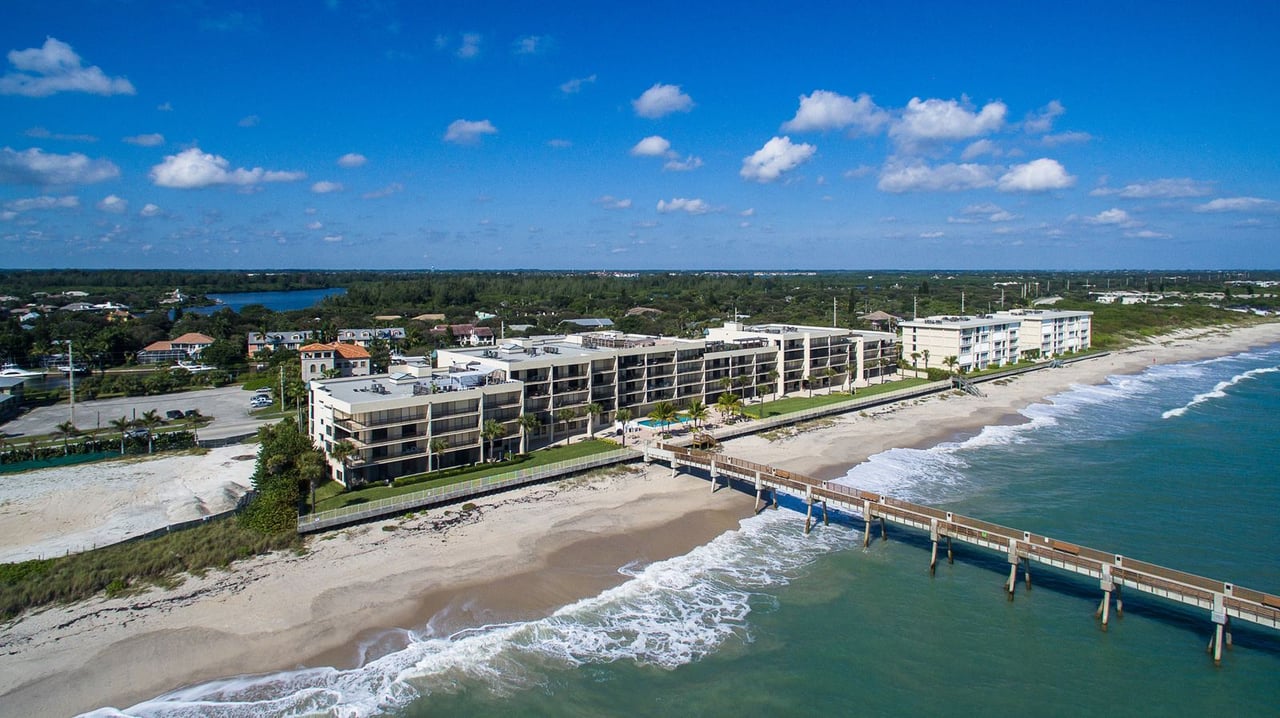
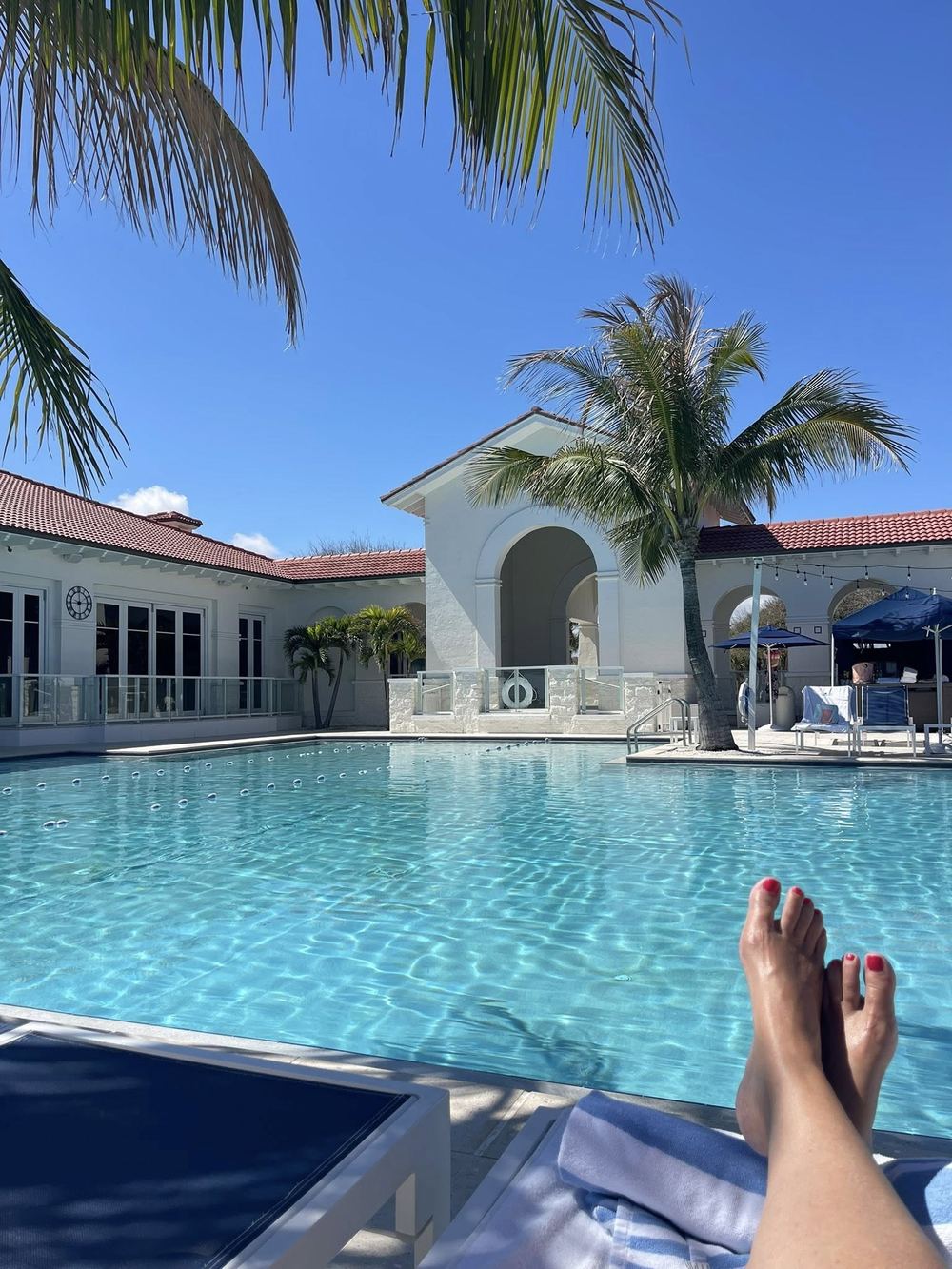
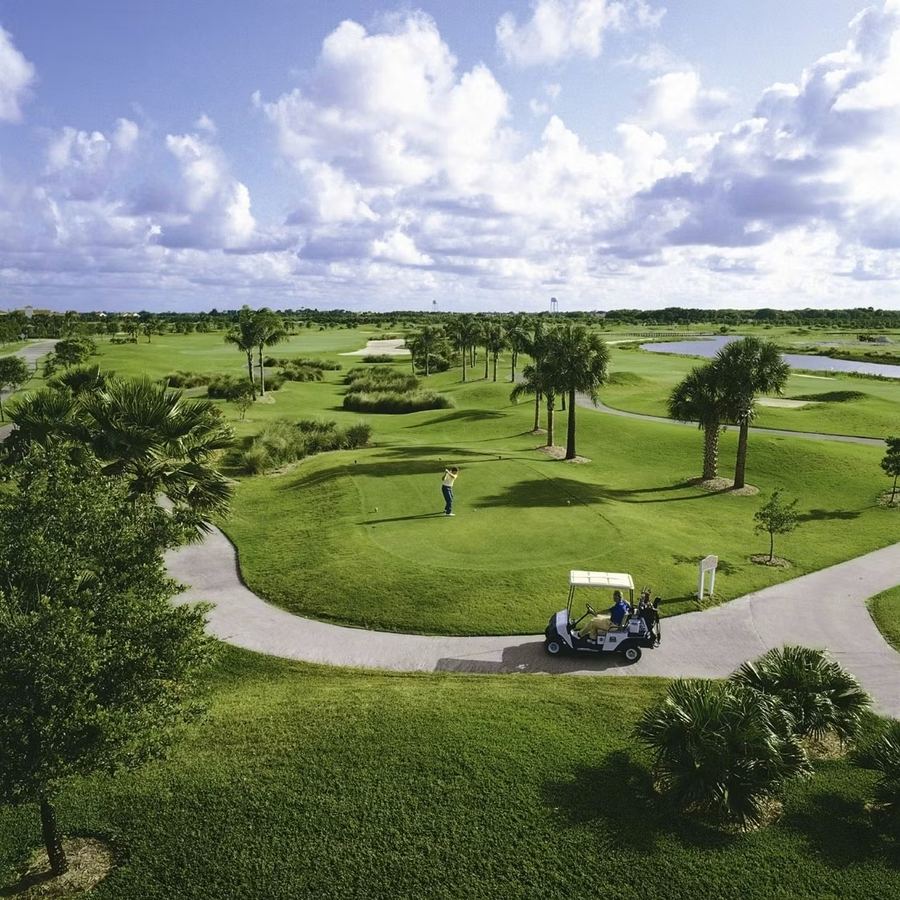
Vero Beach already runs the highest all-cash transaction rate of any luxury market Coldwell Banker tracks in Florida — 62.7 percent of barrier-island sales close without a mortgage, a figure that describes precisely the buyer a stock-liquidity event produces: someone who doesn’t need financing and doesn’t want to wait on an appraisal. Inventory is genuinely scarce, its supply defined by a handful of communities including Sea Oaks, Grand Harbor, John’s Island, Orchid Island and Windsor — and pricing there still runs roughly 66 percent below comparable Naples addresses. Nonstop service to 15 cities out of Vero Beach Regional Airport means the flight from Hawthorne, or from Manhattan Beach, is shorter than the map suggests.

05What It Means for Sellers Right Now
For barrier-island sellers, the practical read is straightforward. The pool of cash-ready, move-fast buyers actively shopping the market is larger and more liquid than it was in June, and it is likely to keep growing through the fall as later lock-up tranches free additional SpaceX stock, and as the broader wave of concentrated tech and business wealth defining this cycle continues rotating into real assets.
Positioned for This Buyer
Vero Premier Properties — Vero Beach’s Signature Division of Coldwell Banker Global Luxury, led by co-founding principals Ben Bryk and J. Vance Brinkerhoff — was built for exactly this kind of buyer. The firm’s Financial Concierge Desk coordinates domicile attorneys, CPAs and wealth advisors for clients relocating both their lives and their tax residency. Its Aidentified platform, one of only four such licenses in Florida, cross-references a 350-million-profile wealth database to identify likely buyers for a listing before it reaches the open market. Bryk and Brinkerhoff rank in RealTrends Verified’s top 1.5 percent of Realtors nationally, on more than $1.2 billion in career sales across 2,000-plus transactions.