Purchase & Chappaqua to Vero Beach: What Westchester's Corporate Executive Corridor Gets for Its Equity in Florida's Most Undervalued Luxury Market
Ben Bryk June 12, 2026
Ben Bryk June 12, 2026
Vero Premier Properties · Purchase & Chappaqua Westchester Relocation Report · June 2026
The two ZIP codes that anchor Purchase and Chappaqua — 10577 and 10514 — sit in New York's top five highest-income ZIP codes in the United States. PepsiCo's global headquarters at 700 Anderson Hill Road and Mastercard International at 2000 Purchase Street define an executive corridor whose household income averaging $250,000 and above is not aspirational but operational. The career that funded the address has been sending six-figure checks to Albany every April. The children who justified the Chappaqua school district premium — at 2.69% effective property tax, the highest in northern Westchester — have graduated and left. And a Florida homestead deadline of December 31, 2026 has entered the conversation in a way it never has before.
June 8, 2026 · Vero Beach, Florida · floridaeastcoastluxuryhomes.com
There is a particular moment in the career of a corporate executive that the Purchase and Chappaqua communities know better than most. It is the moment the compensation structure shifts from salary-and-bonus to equity distributions, deferred compensation payouts, and the long-horizon capital gains that thirty years of patient accumulation produces. The house is paid off. The children are through the Chappaqua school district and out the other side. The commute to the campus — PepsiCo at 700 Anderson Hill Road, Mastercard at 2000 Purchase Street — is approaching its final chapter, or has already ended.
That moment is, financially speaking, the worst possible time to remain domiciled in New York.
The income that arrives in that phase of a career — the deferred compensation, the equity distributions, the capital gains on a portfolio built over three decades — is taxed by New York State at 10.9 percent. Extended through 2032. And it arrives on top of Chappaqua's 2.69 percent effective property tax rate, producing a median annual bill of $25,896 that has been compounding since long before the last child graduated from Horace Greeley High School.
The household that has spent a career making precise, data-driven financial decisions at one of the world's most analytically rigorous corporations is now looking at its own balance sheet — and the Florida line item is not a footnote. It is the thesis.
Purchase is unique among Westchester communities in one respect that no other address in this series can match: the employers are not in Manhattan. PepsiCo's global headquarters — 700 Anderson Hill Road, a campus whose Donald M. Kendall Sculpture Gardens house one of the most significant corporate art collections in the world — employs senior executives who have chosen Purchase and Chappaqua as their primary address specifically because the commute is local. Mastercard International's headquarters at 2000 Purchase Street, described at its construction as the architectural jewel of Westchester, draws the same profile: senior financial services executives for whom the suburban campus model eliminated the Manhattan commute without eliminating the Manhattan compensation.
The result is a community whose household income profile — both ZIP codes in New York's top five — reflects not the proximity-to-city premium that drives most Westchester markets, but the compensation structure of Fortune 500 global executives living directly adjacent to their employer. That profile produces exactly the income characteristics that New York's tax structure penalizes most heavily: large annual bonuses, equity-based compensation, deferred retirement distributions, and capital gains — all taxed at 10.9 percent by a state that, unlike Florida, has no intention of letting them go without a substantial toll.
Chappaqua's 2.69 percent effective property tax rate — producing a median annual bill of $25,896 and ranking among the highest in Westchester County, which itself ranks first nationally for median property taxes — is not simply an expensive obligation. It is, in substantial part, a school district premium. The Chappaqua Central School District's $134 million budget is reflected in tax bills that consistently exceed $30,000 to $45,000 annually on homes at the $1.5 million to $2 million price points that define the community's primary market.
For the household with children enrolled in Horace Greeley High School, that premium is a considered investment in an outcome: a school district that reliably delivers the college placements and the social environment that Chappaqua parents chose the community to provide. The premium is defensible because the benefit is direct and measurable.
For the household whose last child graduated in 2021 or 2023 or last June, the same premium continues to compound annually against an income that no longer requires the service it is funding. The school district tax does not negotiate with the empty nester. It does not acknowledge that the household's relationship with the Chappaqua Central School District ended with the graduation ceremony. It simply arrives each year, as it always has, for as long as the household remains the primary resident of a Chappaqua address.
Florida does not impose a state income tax. It does not have a school-district-funded property tax structure that penalizes the household for outlasting its dependence on the local schools. And Vero Beach's barrier island offers a community of precisely the same caliber — established, discreet, financially sophisticated — that Chappaqua built its reputation on, at a property tax rate of approximately 0.85 percent rather than 2.69.
On June 2, 2026, the Florida legislature passed HJR 1-F, proposing a $250,000 increase to Florida's homestead exemption on top of the existing $50,000 benefit. The measure goes to voters in November 2026.
The provision that focuses the analysis: buyers who establish Florida homestead by December 31, 2026 qualify for the benefit immediately — without the standard five-year waiting period. That provision is in the legislative language.
For the Purchase or Chappaqua household that has been running this analysis for two or three years without a specific date to act against, December 31, 2026 is that date. Florida's Save Our Homes cap — 3% maximum annual assessed value increase regardless of market performance — means that the tax position established on day one compounds more favorably every year the Vero Beach market appreciates above that ceiling. The earlier the homestead is established, the longer the compounding runs.
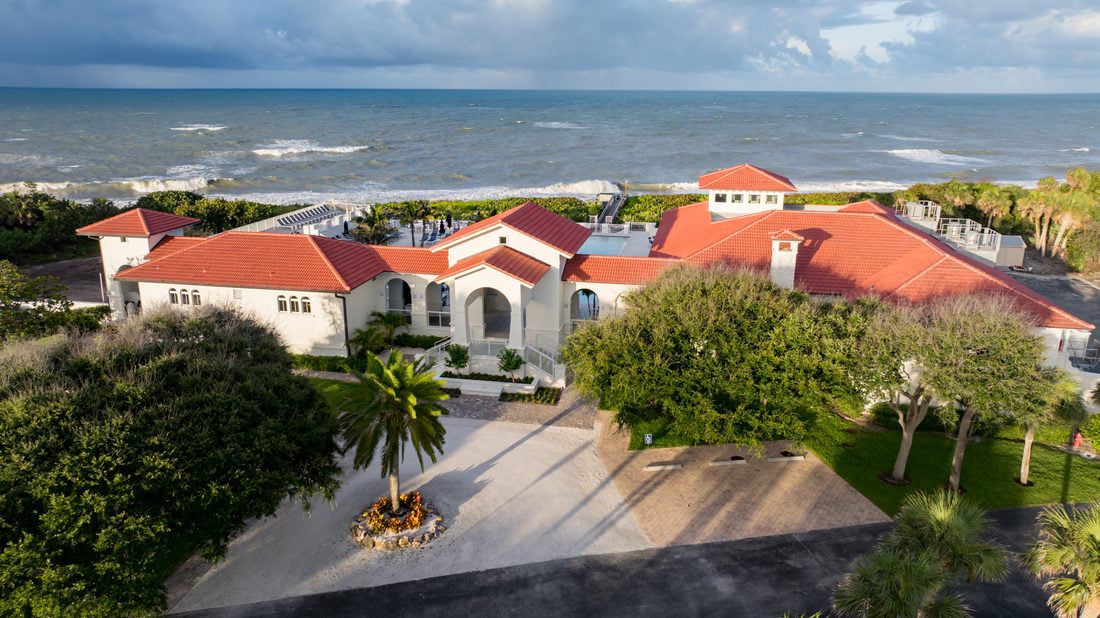
From January through May of 2026, Vero Beach's barrier island recorded 174 transactions at an average sale price of $1.99 million with an all-cash buyer rate of 62.7 percent — the highest of any luxury real estate market in the United States. That percentage is the data point that most precisely characterizes the Vero Beach buyer: no rate sensitivity, established capital, long-horizon deployment. The PepsiCo or Mastercard executive considering Vero Beach is not a different kind of buyer from the ones already transacting at 62.7 percent cash. They are the same profile — the same analytical discipline, the same wealth-accumulation arc — evaluating the same market from a slightly earlier position in the process.
Westchester County Airport sits on the northeast side of Purchase — a 15-minute drive from the PepsiCo campus, 20 minutes from central Chappaqua. Breeze Airways operates nonstop service from HPN directly to Vero Beach Regional Airport, which removes every logistical barrier to a first visit. For the household considering an exploratory long weekend on the barrier island before the December 31 deadline, the trip begins at an airport the executive already knows from corporate travel — without a detour through JFK or LaGuardia.
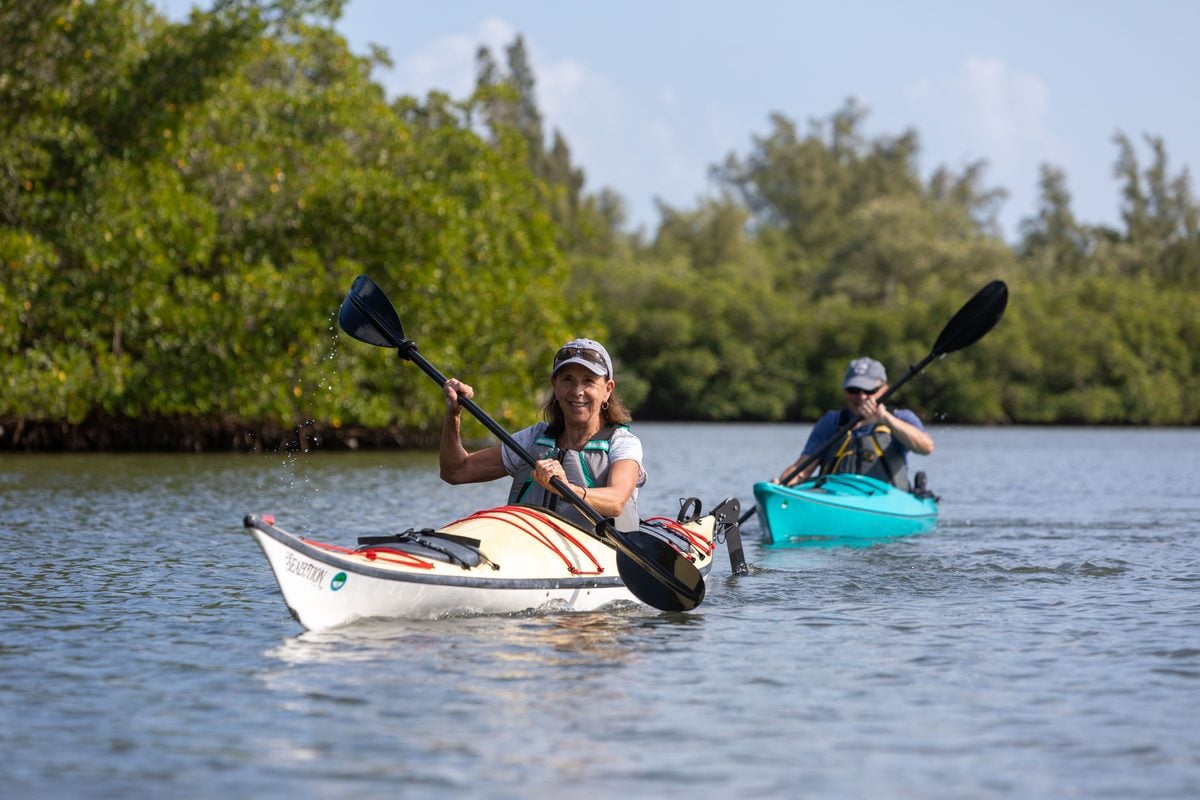
The Purchase and Chappaqua executive arrives at Vero Beach with a reference frame built around quality, discretion, and the standards that a Fortune 500 career funds rather than advertises. The barrier island delivers on all three — without the ambient noise of a market competing for recognition.
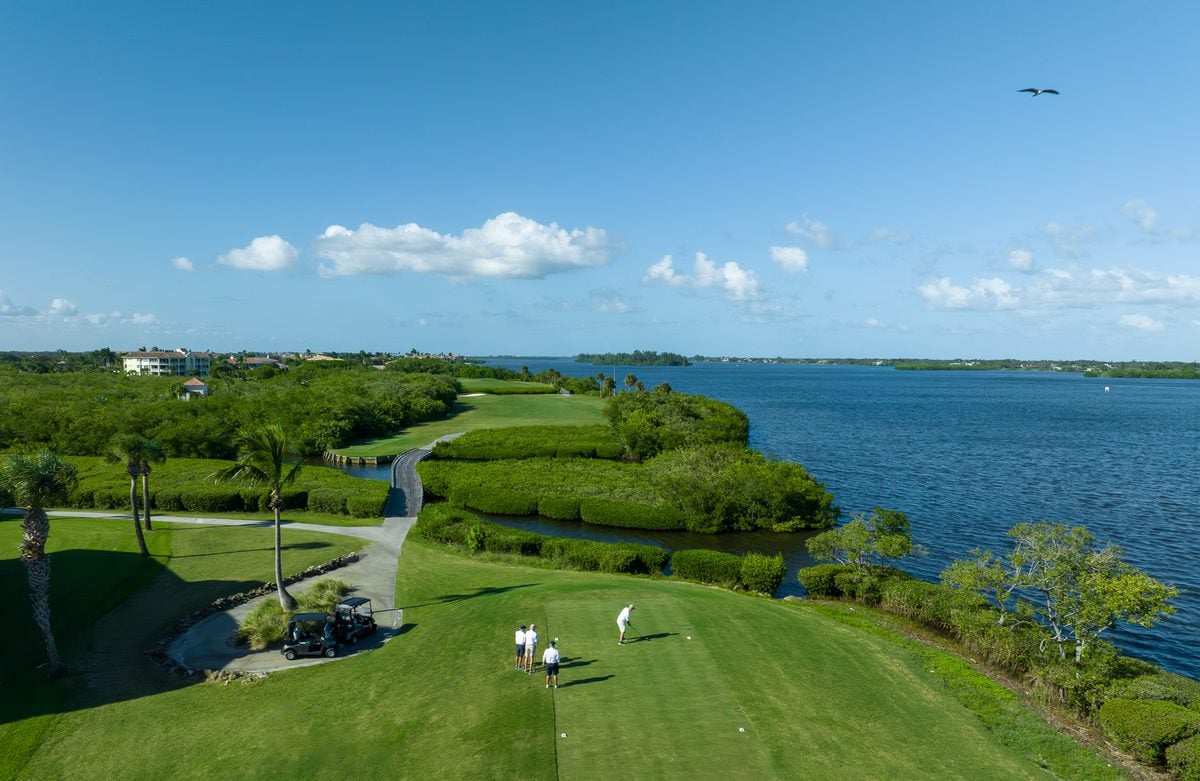
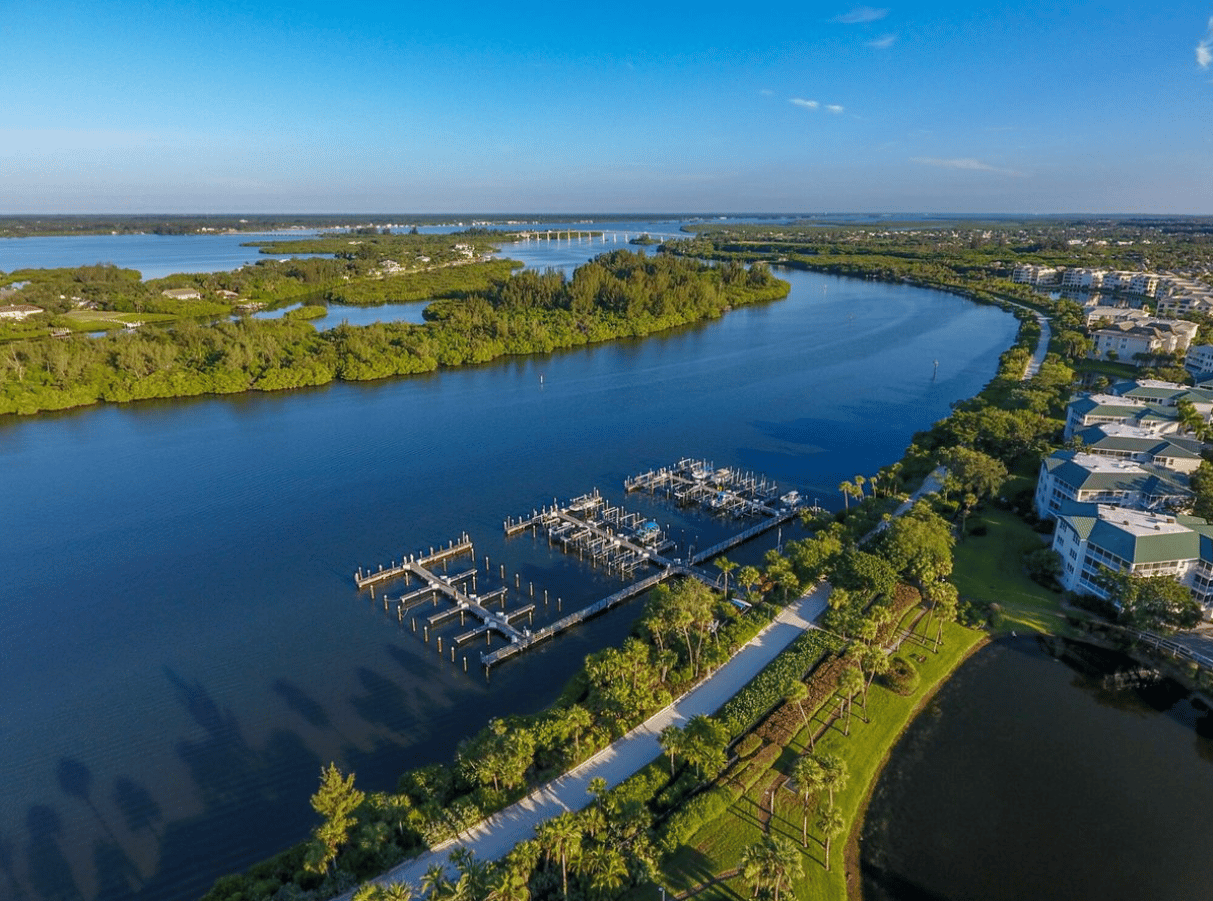
Grand Harbor's 36-hole championship layout on the Indian River Lagoon. The Moorings Country Club. Sea Oaks with its Intracoastal deep-water dockage for the household whose weekend has always included the water. The Riverside Theatre and the Vero Beach Museum of Art — a cultural infrastructure built for and by established residents rather than seasonal visitors. Ocean Drive's walkable dining and retail corridor. A community whose residents chose the barrier island for exactly the same combination of quality and quietude that drew the PepsiCo executive to Purchase rather than Greenwich: because the value was real and the community was right, and neither needed to be announced.
The Purchase and Chappaqua executive who has spent a career applying rigorous financial analysis to multinational capital allocation decisions applies the same framework to the household relocation question — and arrives at the same conclusion. The data is unambiguous.
Zero Florida state income tax applied to the deferred compensation payout, the equity distribution, the capital gains on a thirty-year portfolio — the income categories that define the executive's wealth-accumulation phase — eliminates a liability that, at the income levels these ZIPs imply, runs well into six figures annually. Permanently. Not as a deferral. Not as a strategy. As a structural condition of Florida residence.
Vero Beach's ~0.85% effective property tax rate cuts the annual property obligation to roughly $17,000 on a $2 million barrier island primary — compared to the $35,000 to $45,000 that a $2 million Chappaqua home carries. Florida's Save Our Homes cap ensures the advantage compounds rather than erodes as the market appreciates. The Homestead Exemption — $50,000 current, with HJR 1-F's proposed $250,000 increase for buyers who act before December 31, 2026 — adds the third instrument to a trifecta that no Westchester community can match.
The analysis leads where rigorous analysis always leads: to the action it supports. For Purchase and Chappaqua households, that action has a deadline. December 31, 2026.

Ben Bryk and J. Vance Brinkerhoff built Vero Premier Properties for the buyer who holds every professional they engage to the same standard they applied throughout their career. RealTrends-verified top 1.5% nationally. $1.2 billion in career sales. More than 2,000 transactions. Cleveland Clinic Preferred Physician Realtors designation exclusive to Indian River County. Top 10 Most Trusted Realtors in Florida (Apple News, 2025). Coldwell Banker Global Luxury — 40 countries, 3,000 offices.
Our Financial Concierge Desk coordinates the domicile attorneys, estate planners, CPAs, and wealth advisors who specialize in the New York-to-Florida transition — the sequential steps of establishing Florida primary residence, updating estate documents, and filing for homestead before December 31, 2026. For the executive household that has managed complex multi-jurisdiction transitions throughout a corporate career, the process is straightforward when correctly executed and against the correct deadline.

Ben Bryk and Vance Brinkerhoff offer confidential consultations for Purchase and Chappaqua households evaluating the Florida Financial Trifecta and the December 31, 2026 HJR 1-F homestead deadline. The conversation is specific to your compensation structure, your equity position, and your timeline — not a general pitch for Florida relocation.
Ben Bryk · (772) 713-9455 Vance Brinkerhoff · (772) 913-3426 floridaeastcoastluxuryhomes.com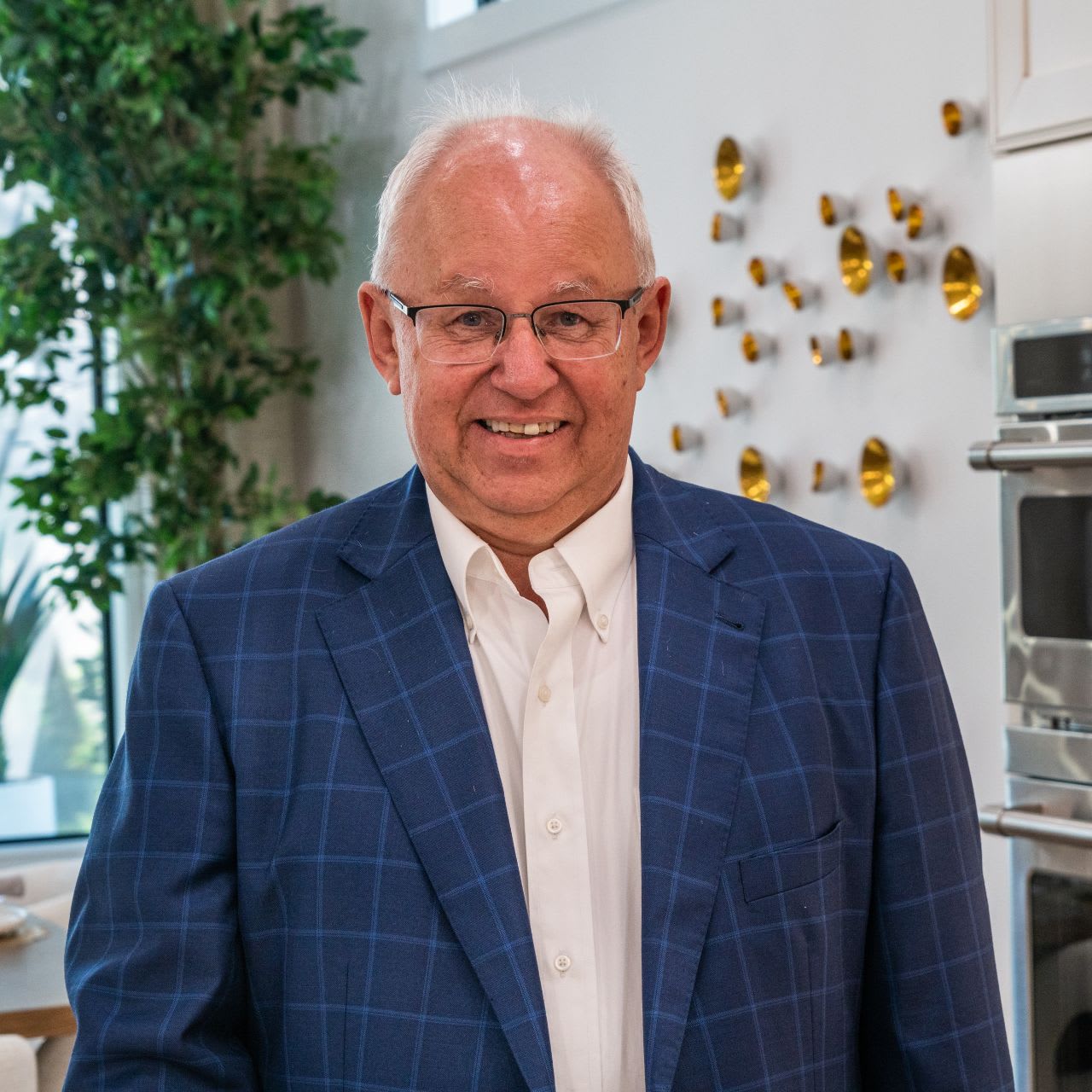
Lead Real Estate Agent
Buying a home is a very emotional experience, especially for those who have not done it very often. My experience in sales can help guide buyers with an analytical approach.
Find Your Dream Home
Get assistance in determining current property value, crafting a competitive offer, writing and negotiating a contract, and much more. Contact us today.