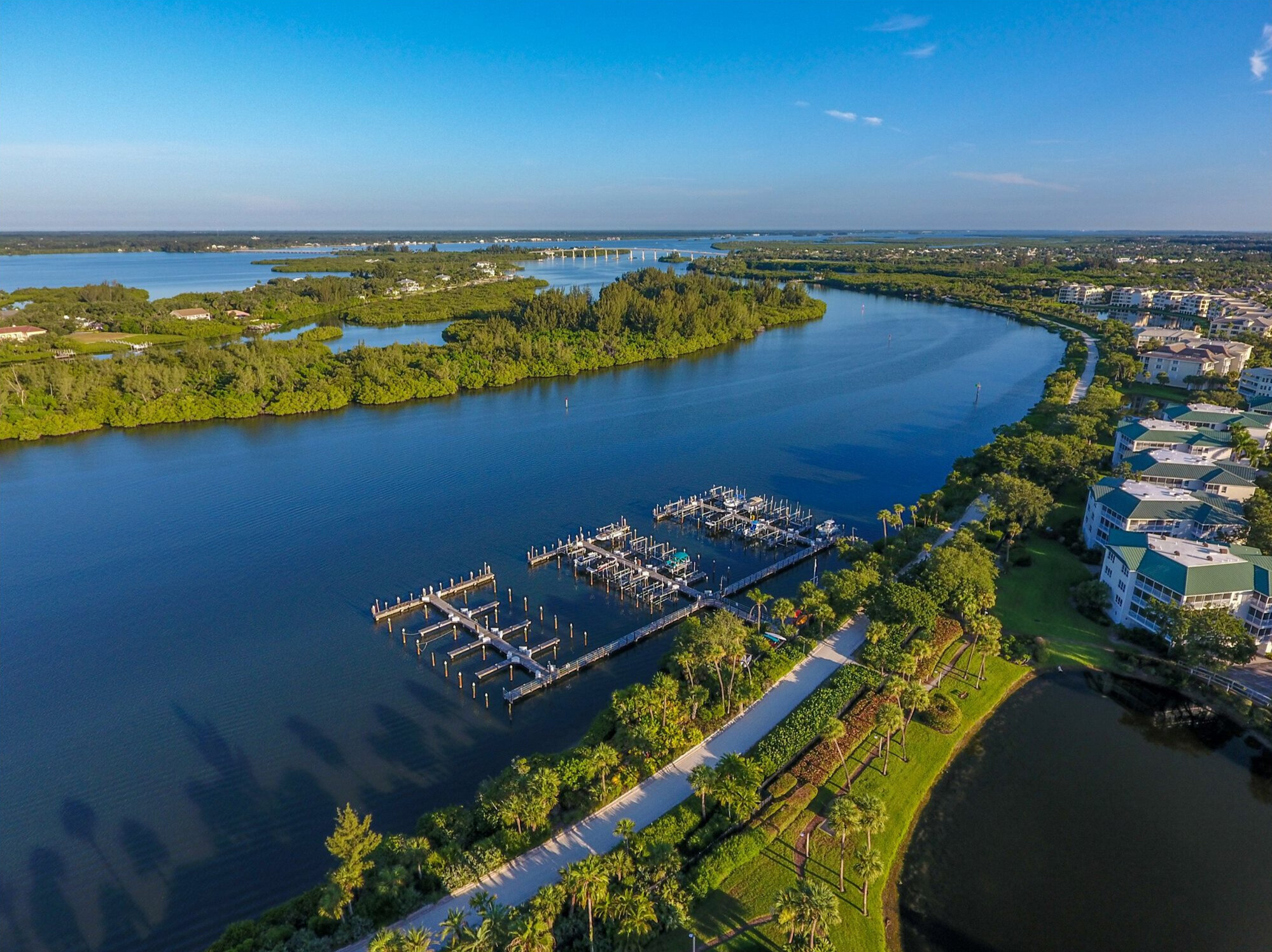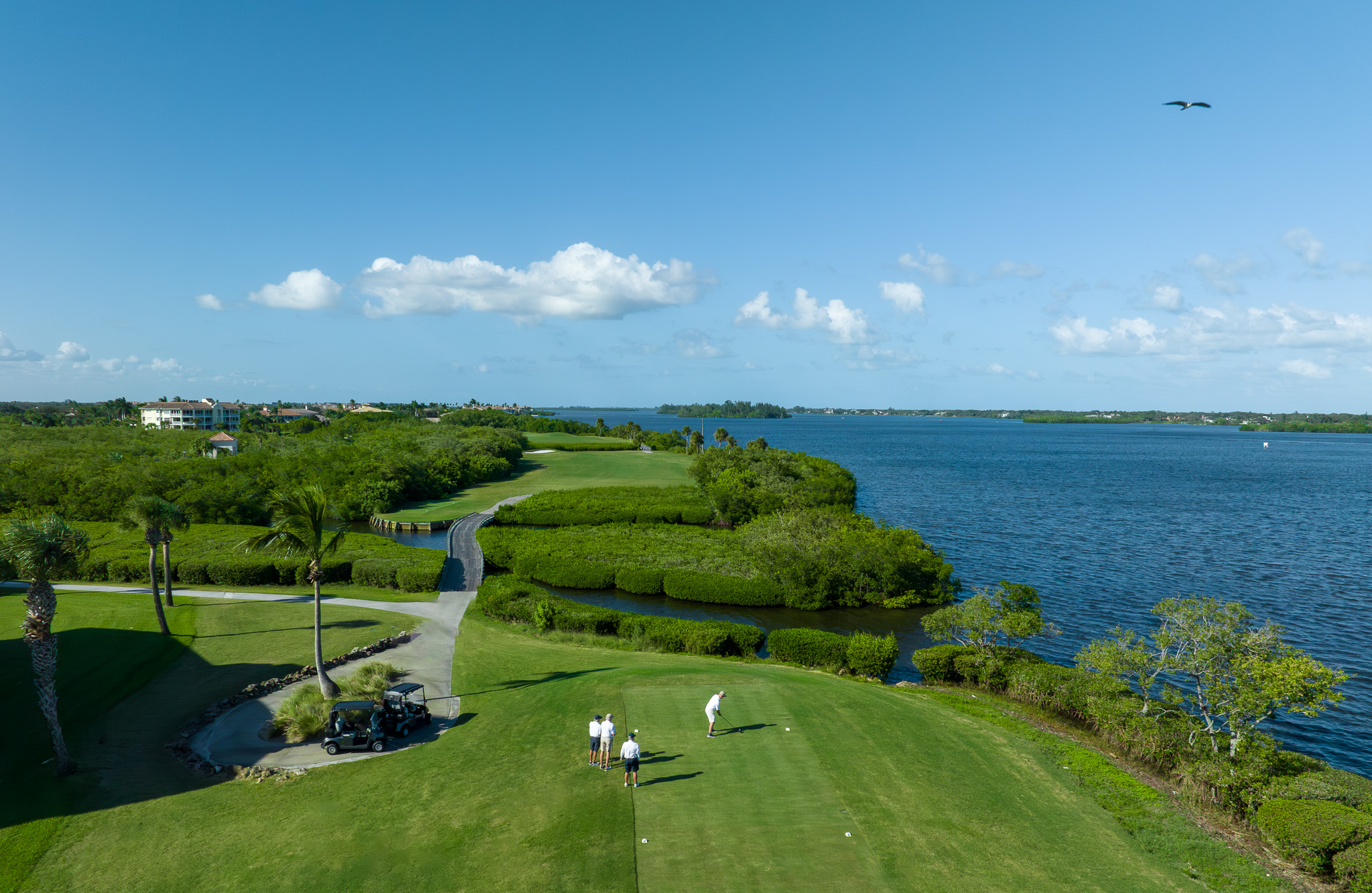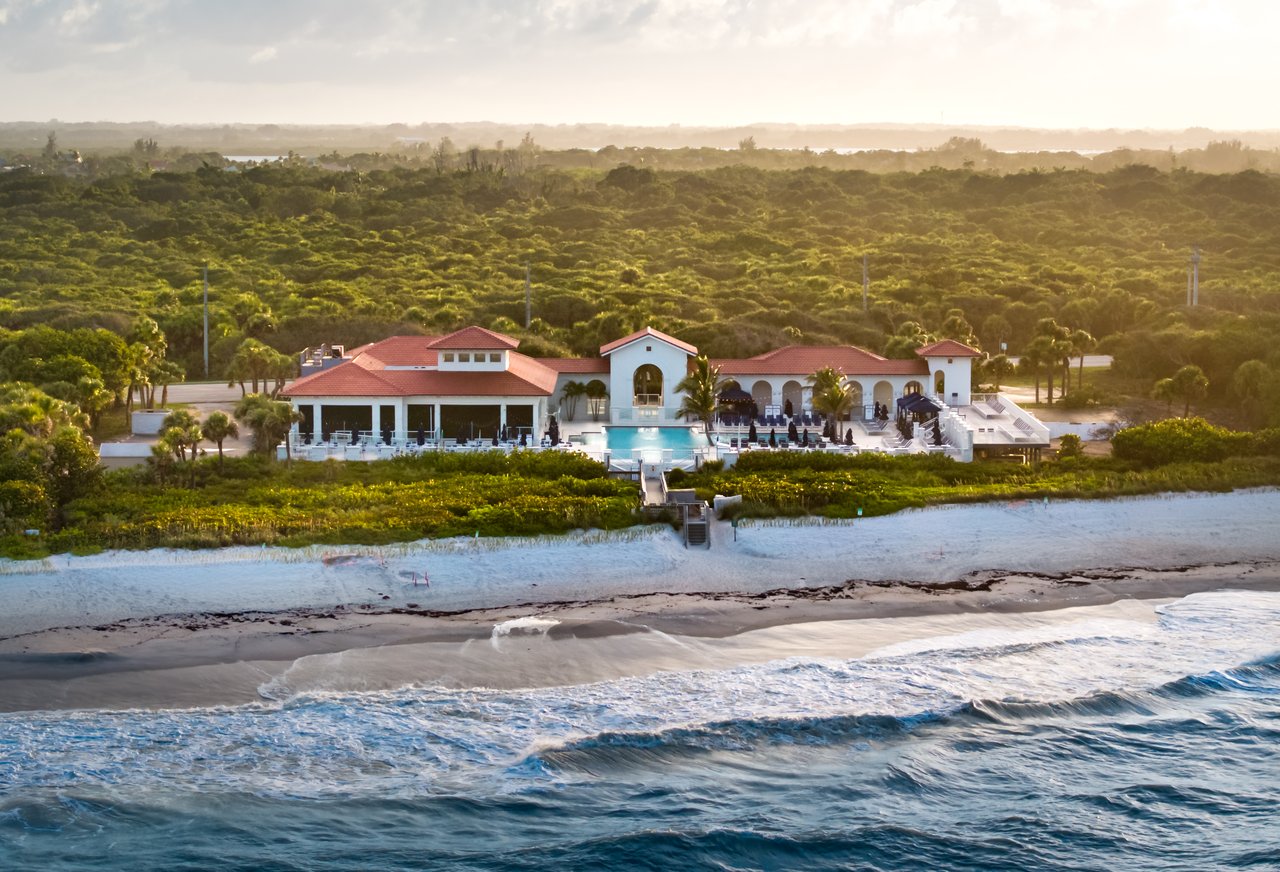
There is a certain category of New Jersey resident — accomplished, financially sophisticated, accustomed to the finest of everything — who arrives in Vero Beach for the first time and spends the next 48 hours asking the same question: why didn't anyone tell me about this place? The honest answer is that the people who know Vero Beach best tend not to advertise it. That is, in fact, one of its defining characteristics.
Vero Beach occupies a specific and uncommon position in the American luxury residential landscape. It is not Palm Beach — deliberately so. It is one hour north of Palm Beach by car, positioned on a barrier island in Indian River County that has maintained strict height restrictions, preserved its low-density character, and attracted a community of wealth that is, by local consensus, understated. There are exactly two high-rise residential buildings on Vero Beach Island. There are no plans for more. That constraint is not an accident of geography — it is a policy decision that has held for decades and reflects the community's considered view of what it wants to be.
For a high-net-worth New Jersey resident evaluating a primary or seasonal relocation, the case for Vero Beach is specific, data-supported, and, once assembled in full, remarkably compelling. This guide addresses it comprehensively — taxes, insurance, golf and country club communities, lifestyle, arts, healthcare, airports, and the real estate market itself.
The Tax Case: New Jersey vs. Florida
New Jersey consistently ranks among the nation's highest-tax states for high-net-worth residents. The personal income tax rate reaches 10.75% on income above $1 million. Property taxes in New Jersey are the highest in the nation by average effective rate, frequently exceeding 2% of assessed value — a particularly significant burden given that assessed values in the state's most affluent communities have risen substantially. New Jersey abolished its estate tax in 2018, but its inheritance tax — at rates up to 16% for certain beneficiaries — remains. The SALT deduction cap of $10,000 under federal law has made the effective cost of New Jersey's tax environment meaningfully more expensive for high earners than it was a decade ago.
Florida's tax structure is the structural inverse of New Jersey's at nearly every point. There is no state income tax — not a reduced rate, not an exemption with thresholds, but a constitutional prohibition on personal income taxation. There is no estate tax and no inheritance tax. Property taxes are lower and further moderated by the homestead exemption, which reduces assessed value by up to $50,000 for a primary residence, and the Save Our Homes provision, which caps annual increases in assessed value at 3% or the rate of inflation, whichever is lower. For a new Florida resident, the homestead exemption must be established by March 1 of the tax year following acquisition — timing that a skilled relocation advisor will build into the transaction plan from the outset.