
Massachusetts is among a small and shrinking group of states that still taxes its highest earners aggressively — and since 2023, it has done so even more deliberately. The Fair Share Amendment, known informally as the Millionaires Tax, added a 4% surtax on income above $1 million annually, layered on top of the existing 5% flat rate. For a Massachusetts resident earning $2 million per year, that is an additional $40,000 in state income tax annually — before the federal tax is calculated. The estate tax, with rates reaching 16% on estates above $2 million, adds a second structural disadvantage that has no equivalent in Florida. For high-net-worth Massachusetts residents who have been watching the Florida migration from a distance, the financial arithmetic of the decision has never been more straightforward.
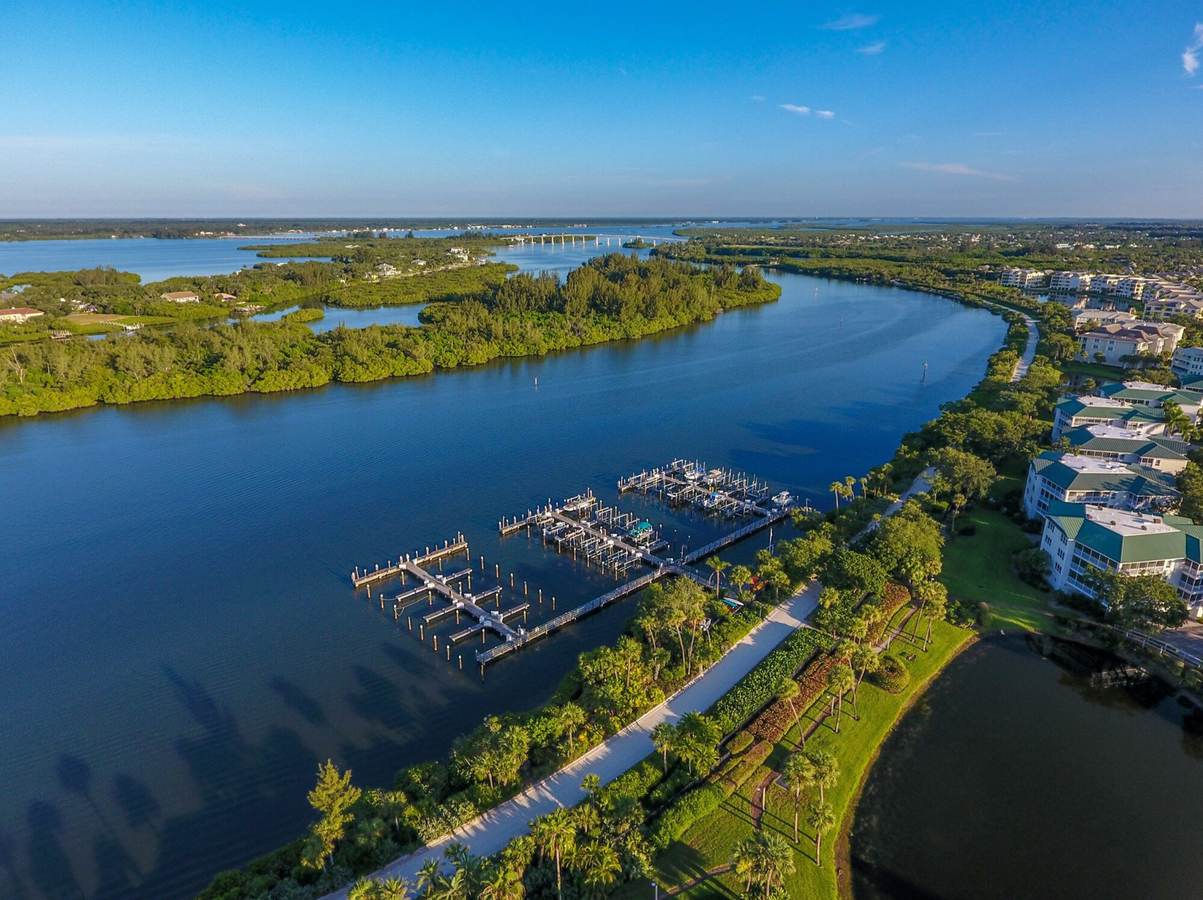
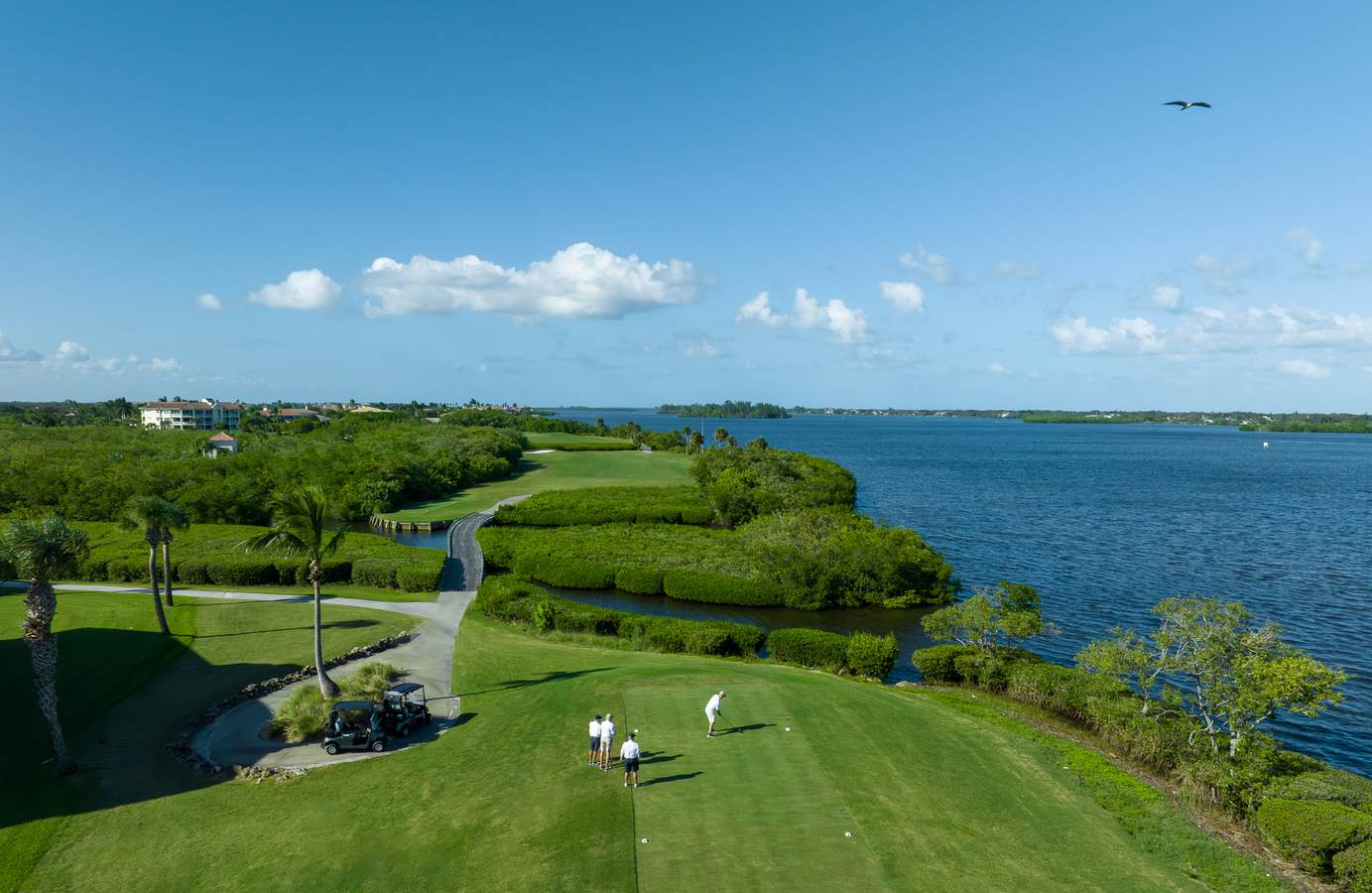
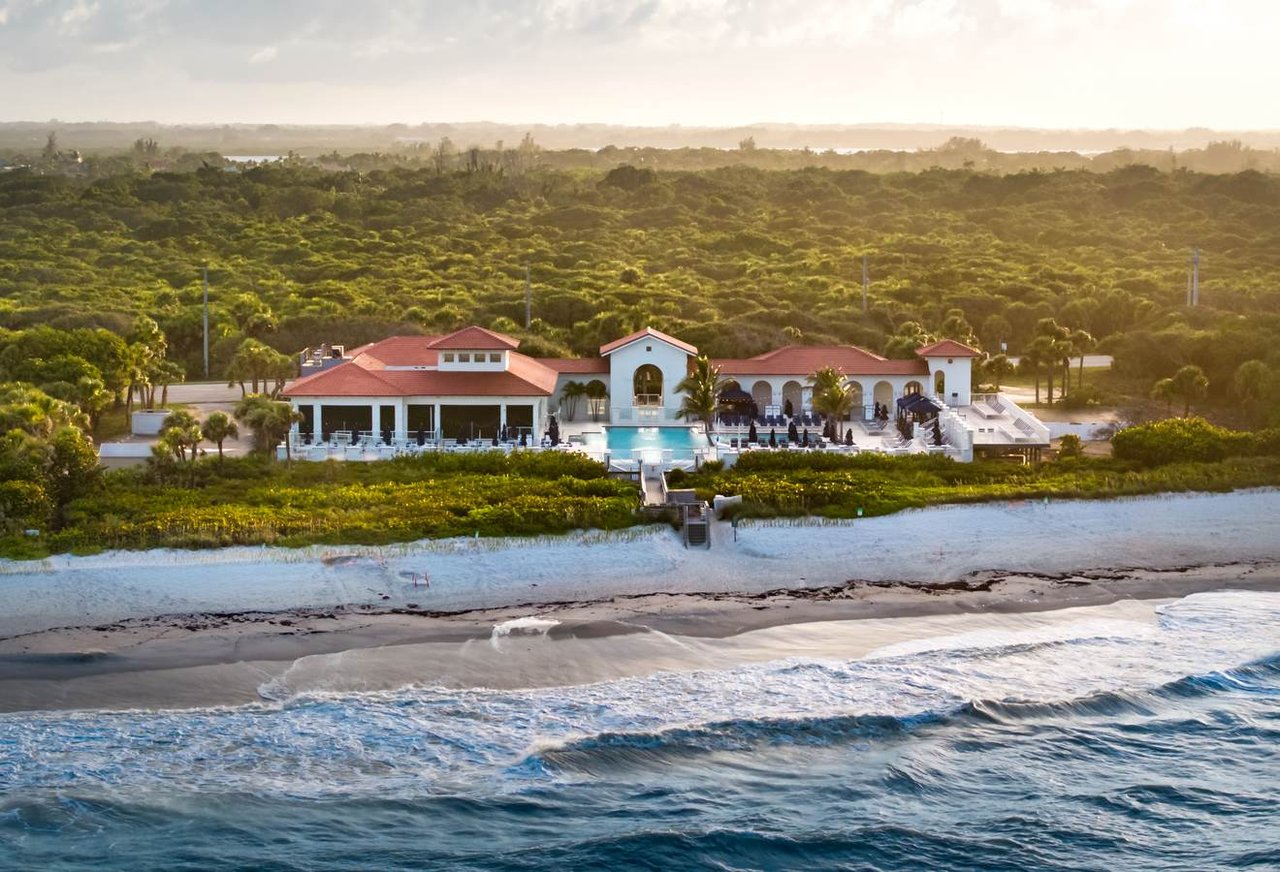
What that migration is arriving at — in increasing numbers, through Boston Logan nonstop flights on JetBlue — is Vero Beach, Florida. One hour north of Palm Beach on an Atlantic barrier island, Vero Beach is a community that has maintained its low-density, high-privacy character through decades of development pressure. Two high-rise residential buildings on the entire island. Height restrictions that have never been relaxed. A 62.7% cash buyer rate — the highest in the United States — that reflects the deliberate, capital-driven nature of the buyer base. This is not a speculative market or a brand-new luxury destination. It is an established community of significant wealth that simply does not advertise itself. Massachusetts buyers, who are generally accustomed to that kind of discretion, tend to find it immediately recognizable.
This guide addresses the full scope of the decision — taxes, insurance, airports, golf communities, lifestyle, healthcare, and the real estate market itself — in the specific terms that a high-net-worth Massachusetts resident requires.