Mortgage Rates Are Climbing Again. On the Vero Beach Barrier Island, Most Buyers Don't Notice.
June 29, 2026
June 29, 2026
Market Analysis · The Barrier Island
Rates near 6.6 percent and re-accelerating inflation are reshaping the national housing market. The barrier island, where nearly two-thirds of buyers pay cash, runs on a different set of rules entirely.
Here is the number reshaping the national housing market this summer. The thirty-year fixed mortgage has climbed back into the mid-six-percent range, touching near 6.6 percent at its recent peak—the highest level of 2026. The cause is not a single event but a convergence: inflation has re-accelerated to its fastest annual pace in more than three years, energy costs have risen, and the Federal Reserve has signaled it may raise rates later this year rather than cut them. For the financed buyer, every tenth of a point changes the monthly equation.
Now here is the number that matters on the Vero Beach barrier island. In Indian River County, 62.7 percent of residential transactions close in all cash—the highest rate in the nation. For the majority of buyers on this island, the mortgage rate is not a variable in the decision. It is not in the decision at all.
In most of the country, the mortgage rate is the housing market. It sets the buyer's budget, dictates the monthly payment, and determines whether a deal happens at all. When rates rise, demand cools, because the financed buyer is the market. That is the mechanism behind every headline about affordability and slowing sales.
The barrier island operates on a different mechanism. When nearly two-thirds of buyers purchase without a mortgage, the lending rate loses most of its power over the market. A cash buyer relocating from Greenwich or Wellesley is not running an amortization schedule. They are moving proceeds—from the sale of a Northeast home, from a liquidity event, from a portfolio reallocation—into a Florida asset. Whether the thirty-year fixed sits at 6.1 percent or 6.6 percent does not change that calculation. It is, for them, a number in someone else's transaction.
When nearly two-thirds of buyers pay cash, the lending rate loses most of its power over the market.
This is what insulation actually means. It is not that the barrier island is immune to the broader economy—no market is. It is that the single most powerful lever in the national housing market, the mortgage rate, has limited reach here. While much of the country recalibrates around 6.6 percent, the barrier island transacts on its own terms.

None of this means the luxury market is on autopilot. Buyer behavior has become more selective. The era of a listing drawing multiple offers in forty-eight hours is behind us. Buyers are taking their time, scrutinizing condition and pricing, and rewarding the homes that are properly positioned while passing on the ones that are not.
It would be a mistake to read that selectivity as weakness. It is normalization. A market where positioning and pricing strategy determine outcomes—rather than sheer momentum carrying every listing—is a healthier and more rational market than the frenzy of a few years ago. For the serious buyer, it is also a better one. Selectivity means leverage, time to evaluate, and the ability to transact on merit rather than under pressure. The buyer who reads this market correctly is in a stronger position than the buyer who chased it in 2021.
For the seller, the implication is equally clear: the home that is priced and presented with discipline transacts. The home that is not sits. That is not a market problem. It is a strategy problem, and it is solvable.
If you are relocating from Connecticut, New York, Massachusetts, or New Jersey, the rate environment that dominates national headlines may simply not apply to your purchase. If you are selling a Northeast home and moving proceeds into a barrier island property, you are very likely a cash buyer—and you are entering a market that has been built, structurally, around buyers exactly like you.
Set the cash dynamic beside the rest of the case. The average barrier island sale sits near $1.99 million, roughly two-thirds below comparable Gulf Coast luxury markets such as Naples. Florida's tax structure remains intact: no state income tax, a homestead property-tax framework, and no state estate tax. The insurance market has reversed after four years of increases. Each of these is a reason the analytical buyer's calculation favors the barrier island—and none of them depends on the mortgage rate.
The rate environment that dominates national headlines may simply not apply to your purchase.
This is not a prediction about where rates go next. No one can offer that responsibly, and a buyer should be skeptical of anyone who tries. It is an observation about how this particular market is structured, and why the forces unsettling housing elsewhere have less purchase here. For the buyer who deals in evidence, that structure is the point.
Far less than they affect most markets. In Indian River County, 62.7 percent of residential transactions close in all cash—the highest rate in the nation. Because the majority of buyers do not finance their purchases, the mortgage rate has limited influence on the barrier island luxury market compared with markets dominated by financed buyers.
Many barrier island buyers are relocating from the Northeast and moving proceeds from the sale of a prior home, a liquidity event, or a portfolio reallocation into a Florida property. This buyer profile—often analytical, frequently at or near retirement, and not dependent on financing—produces the highest all-cash transaction rate in the country at 62.7 percent.
Buyer behavior has become more selective, but this reflects normalization rather than weakness. Properly positioned and priced homes continue to transact, while overpriced or poorly presented listings sit longer. For buyers, a more selective market means more time to evaluate and more leverage; for sellers, it places a premium on disciplined pricing and presentation strategy.
The average barrier island sale price sits near $1.99 million, roughly two-thirds below comparable Gulf Coast luxury markets. The market is largely insulated from interest-rate volatility by its 62.7 percent all-cash rate, Florida's tax structure remains favorable, and the homeowners insurance market has reversed after years of increases. Together these factors support the value case independent of where mortgage rates move.

Vero Premier Properties is a proud member of the International Luxury Alliance — a curated network spanning 60 global markets. We work alongside the top Coldwell Banker Global Luxury agents in the Northeast and Midwest feeder markets that produce the majority of barrier island buyers.
Relocating from the Northeast involves more than the transaction. Our Financial Concierge Desk coordinates the full picture: domicile attorneys, estate planners, CPAs, and wealth advisors who specialize in Florida residency transitions.
One introduction. One team. Every discipline covered before you close.
Vero Premier Properties advises buyers relocating from the Northeast on the full picture—cash dynamics, pricing strategy, insurance, taxes, and community fit—across the barrier island's most sought-after addresses. We give you the data before the pitch.
This article is provided for general informational purposes and reflects market conditions as of mid-2026. It is not financial, investment, tax, legal, or lending advice. Mortgage rates, market conditions, and statistics change over time and vary by source; figures cited reflect publicly reported data as of late June 2026 and individual circumstances differ. Consult appropriately licensed professionals before making financial or real estate decisions. Vero Premier Properties is a real estate brokerage.
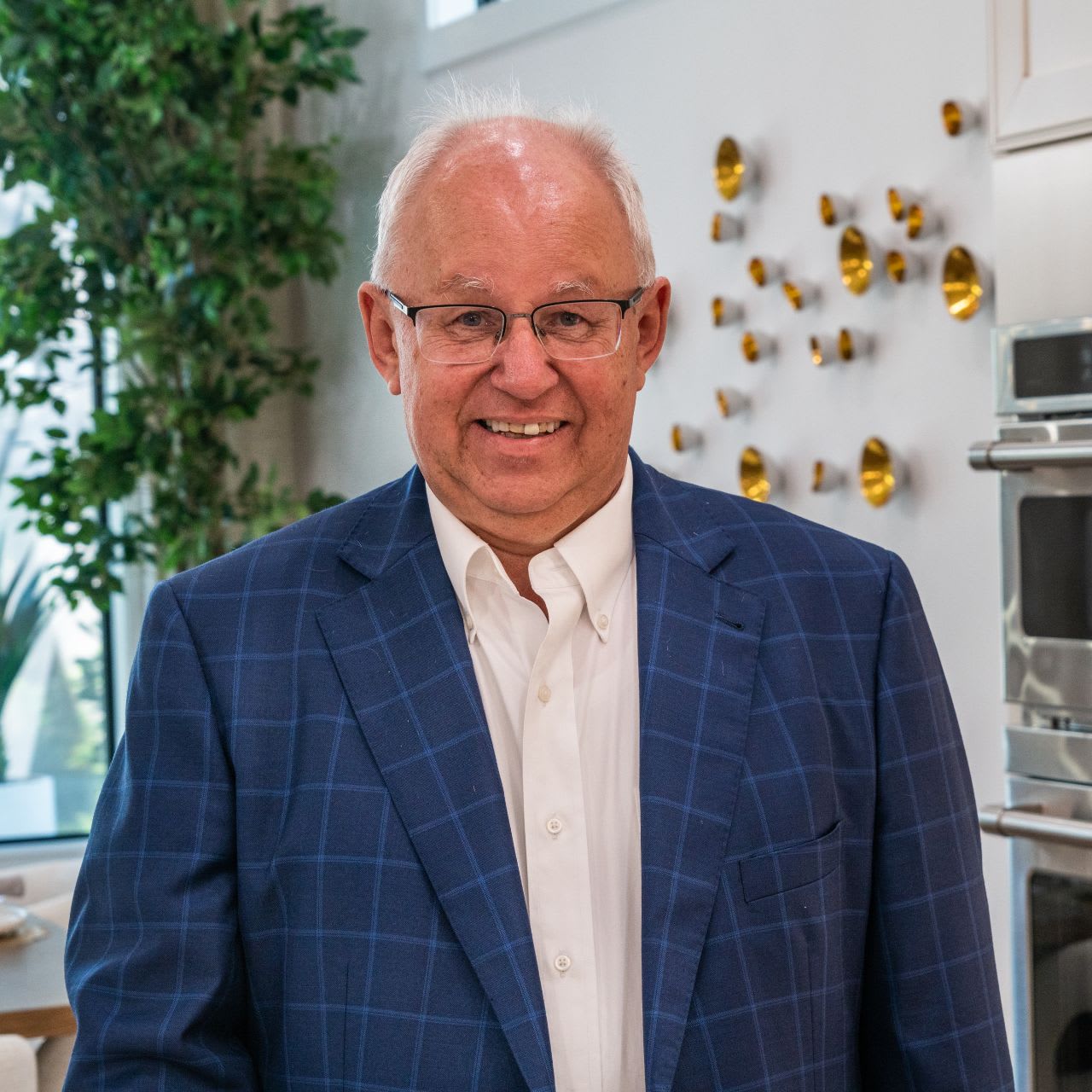
Lead Real Estate Agent
Buying a home is a very emotional experience, especially for those who have not done it very often. My experience in sales can help guide buyers with an analytical approach.
Find Your Dream Home
Get assistance in determining current property value, crafting a competitive offer, writing and negotiating a contract, and much more. Contact us today.