Living in Fort Pierce: Coastal Charm and Everyday Life
February 5, 2026
February 5, 2026
What if your morning started with a quiet walk along a jetty, a pelican gliding by, and the sound of small boats heading out at sunrise? In Fort Pierce, that scene is not a vacation postcard. It is a rhythm many residents enjoy year-round. If you are weighing a move to Florida’s Treasure Coast, you likely want the coastal lifestyle without crowds and congestion. This guide gives you a clear, on-the-ground look at everyday life in Fort Pierce, from neighborhoods and beaches to costs, commutes, and practical planning. Let’s dive in.
Fort Pierce is known as the Sunrise City for good reason. You get a slower tempo than South Florida’s larger metros, with a historic downtown, a working waterfront, and barrier-island beaches that feel relaxed and uncrowded. The vibe is casual and outdoorsy. You will see anglers at dawn, paddleboards on the lagoon, and neighbors gathering downtown for weekend markets and live music.
Evenings often center on downtown and the waterfront. The Sunrise Theatre brings touring shows and local productions to a classic venue. The A.E. Backus Museum highlights the region’s landscape art tradition. Restaurants lean toward fresh seafood, locally owned cafés, and laid-back spots with water views. Winter months are busier with seasonal visitors, which adds energy to events and dining while still keeping a small-city feel.
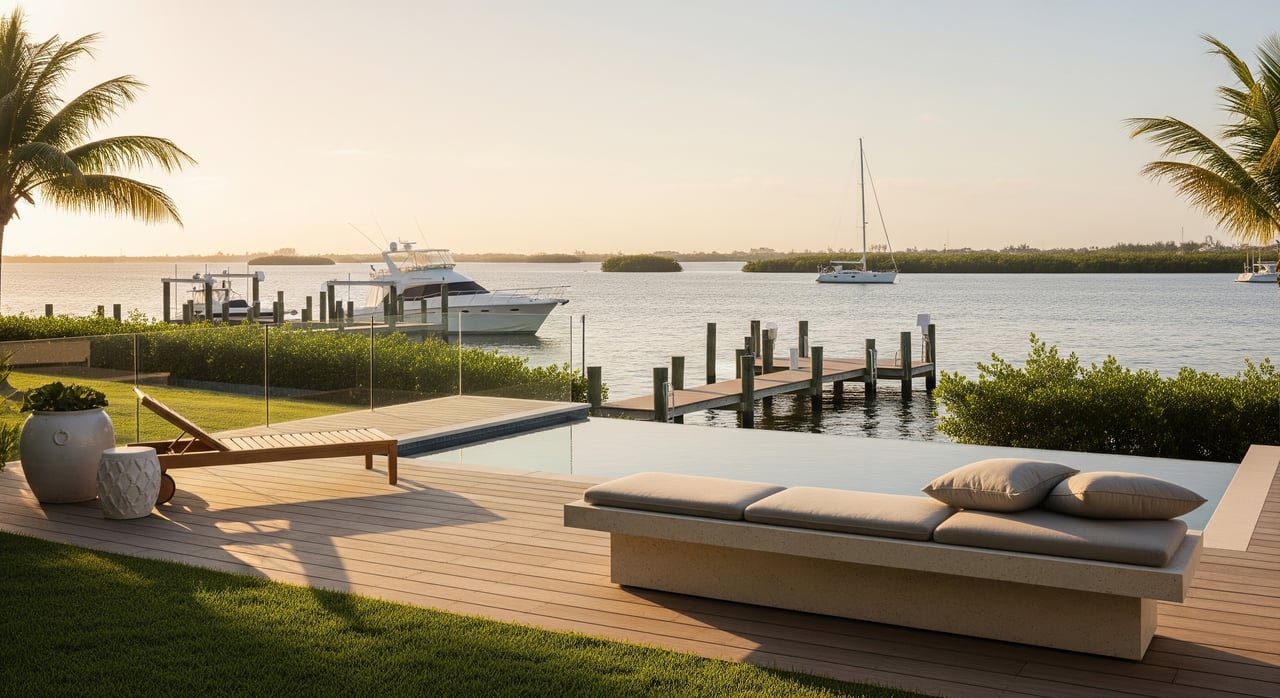
If you love the water, Fort Pierce delivers. The Indian River Lagoon runs along the city and connects to the Atlantic through the Fort Pierce Inlet. Boating, sportfishing, kayaking, and sailing are part of daily life. You will find ample marinas, boat ramps, and charter operators.
Fort Pierce Inlet State Park offers a wide beach with surf access, snorkeling near the jetty, and fishing. It is a quieter, more natural beach experience that many residents prefer. Birding is excellent along the lagoon and barrier island. To the north, Pelican Island National Wildlife Refuge stands out for its conservation history and wildlife viewing.
Heat and humidity shape routines in summer, so early mornings and evenings are prime for outdoor time. During hurricane season, residents monitor forecasts and follow local guidance. On rare occasions, water-quality advisories can affect recreational plans. Most locals simply adapt, plan around weather, and keep a flexible weekend checklist of beach, boat, and local arts.
Fort Pierce offers a range of neighborhood types. Your best fit depends on how you want to balance walkability, water access, and home style.
Wherever you focus, plan to visit at different times of day. You will get a true read on traffic, noise, and how people use nearby parks and waterfront areas.
You will find historic bungalows, mid-century ranches, small condo buildings, manufactured-home communities, and high-value waterfront estates. Buyers are often retirees, second-home owners, first-time buyers seeking relative affordability compared with South Florida, and professionals in healthcare, education, and marine industries.
Prices vary widely by proximity to water, home condition, and community amenities. Waterfront and barrier-island addresses typically see higher price points and tighter inventory. Interior neighborhoods provide a broader range of options and can be a smart starting point if you are new to the area.
If you are comparing markets, Fort Pierce is generally more affordable than Palm Beach County’s coastal corridors. That said, the region has seen meaningful appreciation in recent years. For current median prices and inventory specifics, rely on recent local MLS data or Florida Realtors reports. A sharp, neighborhood-level analysis will help you separate seasonality from lasting trends.
Most residents drive. U.S. 1 runs through Fort Pierce, while I-95 offers the fastest regional access north and south. For air travel, you will likely fly from Palm Beach International to the south or Orlando International to the northwest. The Treasure Coast International Airport serves general aviation.
Public K–12 schools are part of the St. Lucie County School District. Several charter and private schools operate in the region. For higher education and workforce training, Indian River State College is a local anchor with multiple campuses. Healthcare is delivered through local clinics and county medical centers, with specialized services available in larger nearby cities.
Utility service is standard across most neighborhoods. In select areas, verify whether a property is on city sewer or a septic system. This detail can affect upkeep and future improvement plans.
Living on the coast comes with unique risks and responsibilities. Summers are hot and humid, and hurricane season runs June through November, peaking in late summer. Some neighborhoods sit at low elevations near the lagoon or ocean and may be more exposed to flooding and storm surge.
Before you buy, review the property’s flood zone and elevation, ask for any elevation certificates, and price both homeowners and flood insurance. Windstorm coverage is a major factor near the coast. A recent roof, documented updates, and a professional wind mitigation inspection can influence premiums.
If you are considering barrier-island or waterfront homes, confirm local permitting rules, coastal construction limits, dune protections, and any HOA requirements. Your due diligence should include a close look at shoreline conditions and long-term erosion considerations.
Fort Pierce’s cultural scene is small but vibrant. The Sunrise Theatre’s calendar mixes concerts, comedy, and community performances. The A.E. Backus Museum highlights a regional art story tied to Florida’s landscapes. Waterfront parks and downtown streets host seasonal markets, food vendors, and occasional live music. Winter months bring a larger event slate and more visitors, which adds variety to your options without overwhelming the city’s easygoing pace.
Dining skews local and casual. Expect seafood-forward menus, familiar coastal classics, and a few polished spots with water views. Many residents build weekly habits around farmers’ markets and neighborhood favorites.
Fort Pierce is a strong match if you want:
It may not be ideal if you expect:
Florida has no state income tax, which many residents see as a cost-of-living advantage. Property taxes vary by city, neighborhood, and assessed value. If the property will be your primary residence, the homestead exemption can reduce your tax burden and provide assessment caps. Make sure you understand any HOA or condo assessments and rules, which may affect monthly carrying costs and renovation plans.
For riverfront and island properties, balance purchase price with insurance, maintenance, and any special assessments. Routine upkeep matters in the coastal climate. Plan for systems that protect against salt, sun, and storms.
If your ideal day includes a sunrise coffee by the water, a few hours paddling the lagoon or walking the beach, and a relaxed dinner downtown, Fort Pierce should be on your short list. You will trade big-city intensity for a more local, outdoors-focused lifestyle. With the right neighborhood match and a clear plan for coastal ownership, you can enjoy the best of the Treasure Coast while staying connected to regional amenities.
You do not have to navigate this alone. Our team pairs neighborhood-level expertise with data-driven guidance so you can make a confident decision. Whether you are comparing barrier-island condos, riverfront estates, or a quiet interior street near downtown, we will map the tradeoffs, surface off-market opportunities, and coordinate a smooth purchase from first tour to closing. When you are ready to explore Fort Pierce and the greater Treasure Coast, start the conversation with Vero Premier Properties. We will help you find the right fit and protect your interests at every step.

Lead Real Estate Agent
Buying a home is a very emotional experience, especially for those who have not done it very often. My experience in sales can help guide buyers with an analytical approach.
Find Your Dream Home
Get assistance in determining current property value, crafting a competitive offer, writing and negotiating a contract, and much more. Contact us today.