

Hinsdale is a different kind of wealth. Twenty miles west of the Loop, it sits at the center of DuPage County — historic architecture, manicured streetscapes, schools that rank among the best in Illinois. But the distinction that matters most is not the address. It is the source. North Shore wealth is often inherited or corporate; Hinsdale wealth, more often than not, was built — by founders, operators, and owners who took the risk, made the payroll, and kept the enterprise alive long enough to win. The median detached home now trades near $1.4 million, and the median household income approaches a quarter-million dollars. This is a community of people who created their own outcomes.
Which is precisely why Illinois costs them more than almost anyone.
For the salaried executive, state income tax is a line on a pay stub. For the business owner, it is something else entirely. Much of an entrepreneur's income flows through a pass-through entity — an S-corporation, a partnership, an LLC — and is taxed at the individual level. Illinois applies its flat 4.95 percent to all of it: salary, distributions, and, eventually, the gain on the sale of the business itself. There is no bracket, and there is no ceiling. The more the enterprise succeeds, the more the state collects.
IThe tax that finds the founder
Illinois imposes the highest combined state and local tax burden in the nation — $13,099 per household annually, $4,472 above the national average, nearly 52 percent more. Those figures describe a median household. The Hinsdale founder, drawing $500,000 or $750,000 through a pass-through structure, encounters the burden at a multiple of that — roughly $25,000 to $37,000 a year in state income tax alone, recurring, before property tax and before the eventual liquidity event.
And the liquidity event is the consideration most often overlooked. When a Hinsdale owner sells the business they spent a career building, Illinois treats the gain as income — and applies the 4.95 percent rate to it. On a meaningful exit, that single line can dwarf every annual tax the owner ever paid. A change of residency, executed correctly and in advance, is frequently the difference between keeping that capital and surrendering a share of it to a state the owner no longer lives in.
IIThe all-cash market that mirrors the buyer
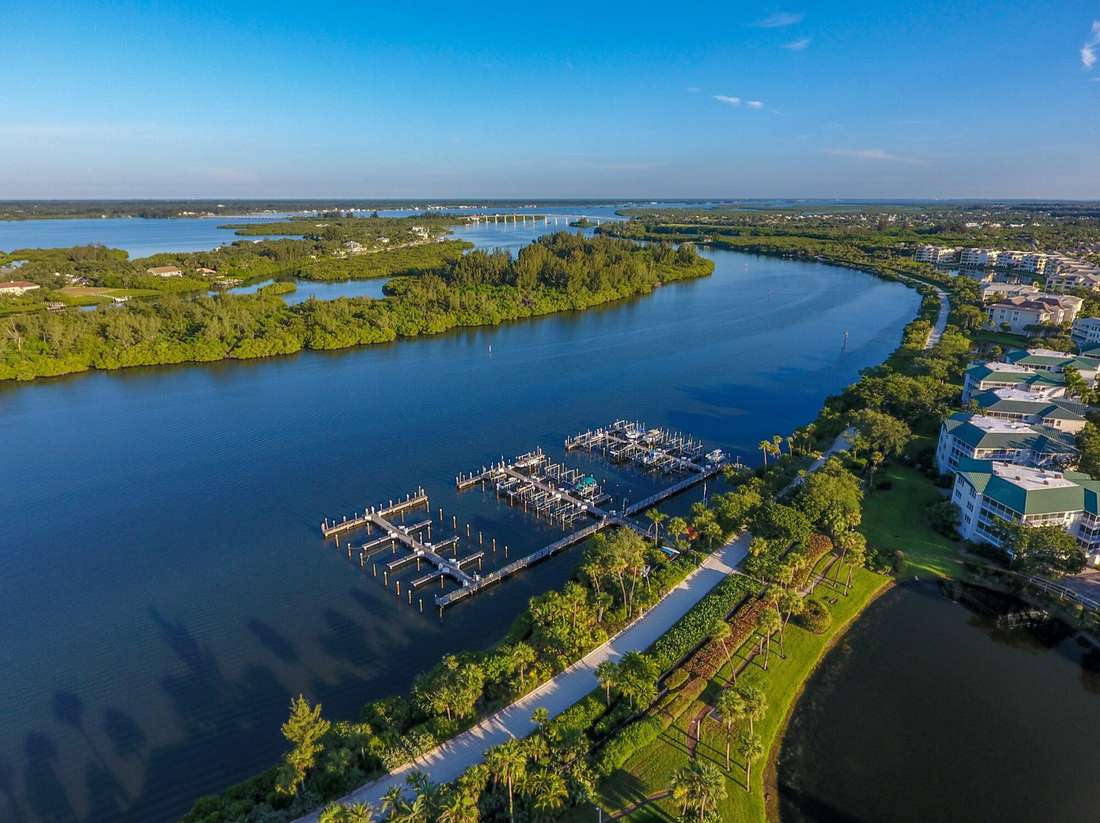
There is a reason Hinsdale produces some of the strongest all-cash buyer activity for the Vero Beach barrier island. The entrepreneur deploys capital decisively. They do not wait for a rate cut, and they do not finance what they can own outright. They recognize a structural advantage and they move on it.