Glencoe is not the loudest name on the North Shore. That is precisely the point. Illinois' second-richest suburb has built its reputation on understatement — Lake Michigan access, dense forest preserves, a community of 8,700 residents who have found exactly what they were looking for and had the good sense to stop looking. Average home value: $1.39 million. Crime rate: nearly 75 percent below the Illinois state average. The achievement is quiet by design.
What is equally quiet — and considerably less welcome — is what Illinois charges to maintain that achievement. The property tax bill on an average Glencoe home runs roughly $32,000 to $36,000 per year, at the North Shore's effective rate of 2.3 to 2.6 percent. That figure arrives before a dollar of Illinois' 4.95 percent flat state income tax is calculated. It arrives before the next reassessment cycle. And it will be higher next year than it is today.
This is not a criticism of Glencoe. It is an observation about Illinois — and about what the Vero Beach barrier island offers the buyer who has already proven they know what a good address looks like.
IThe tax structure Illinois built
Illinois imposes the highest combined state and local tax burden in the nation — $13,099 per household annually, consuming more than 16.5 percent of income at the national median. That figure sits $4,472 above the national average, nearly 52 percent higher. For a Glencoe household operating well above the national median, the gap is wider still.
The mechanics compound in a specific way for North Shore homeowners. Property tax at 2.3 to 2.6 percent is assessed against an appreciating asset — meaning the bill grows in direct proportion to the success of the investment. Add the 4.95 percent flat income tax on every dollar earned, and a high-performing Glencoe household discovers that Illinois has structured a system that extracts more the more productive the resident becomes.
IIGrand Harbor: the Glencoe instinct, on the Atlantic
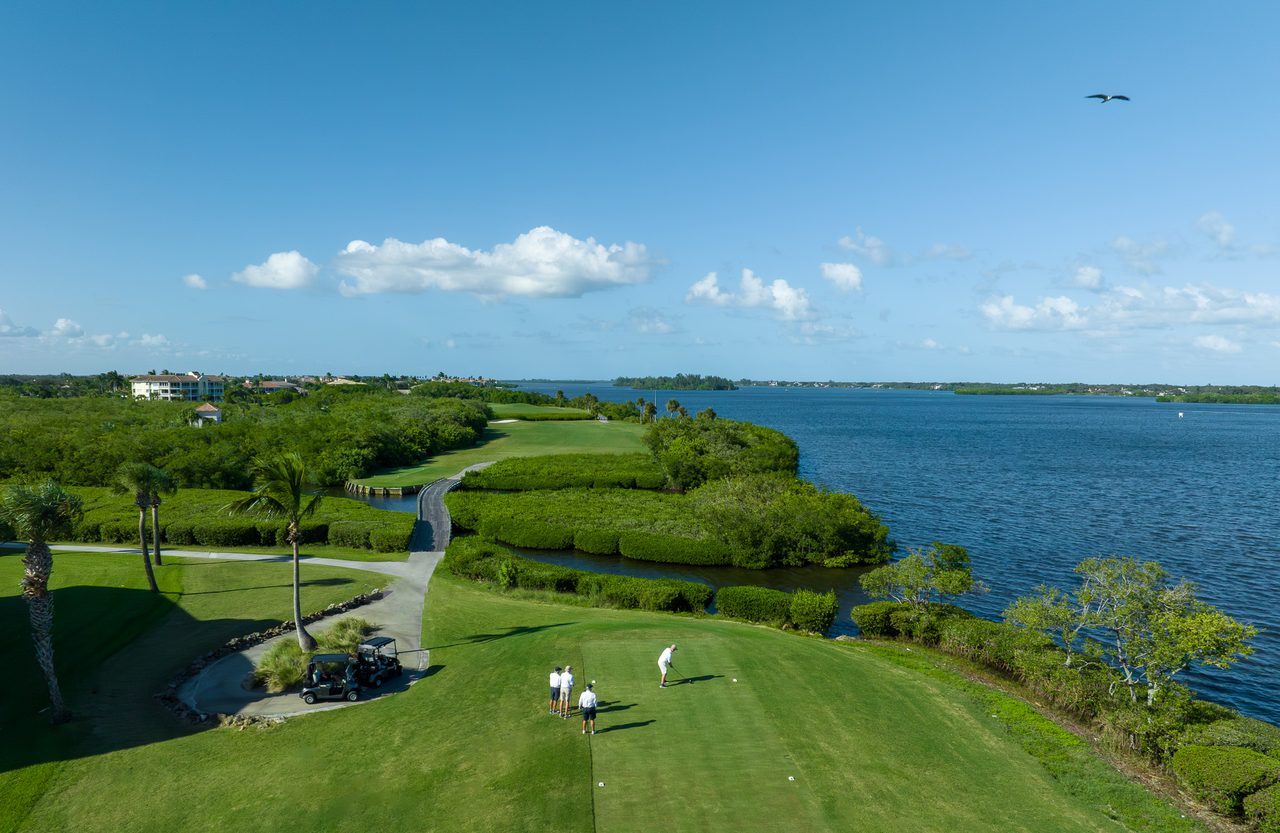
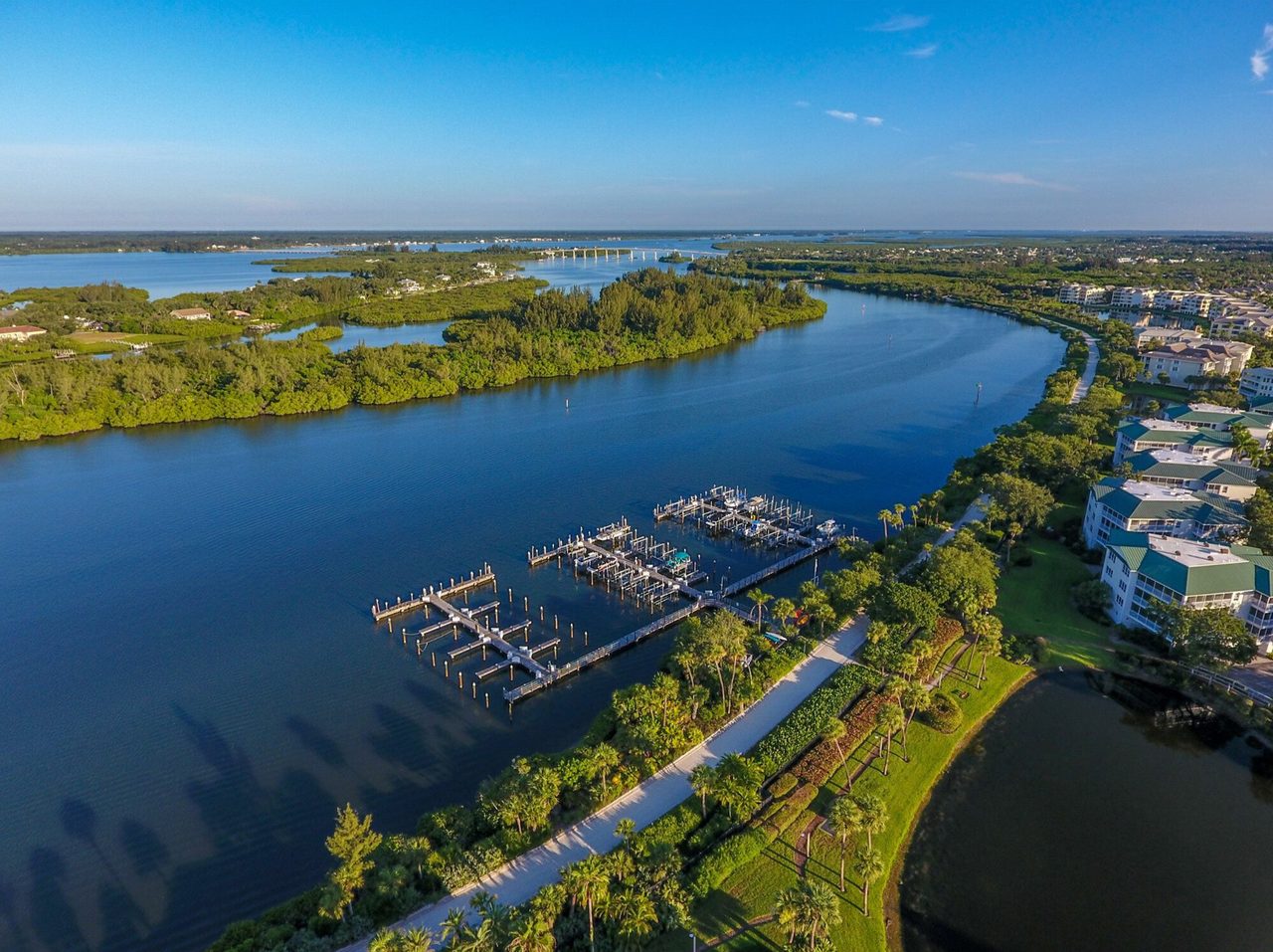
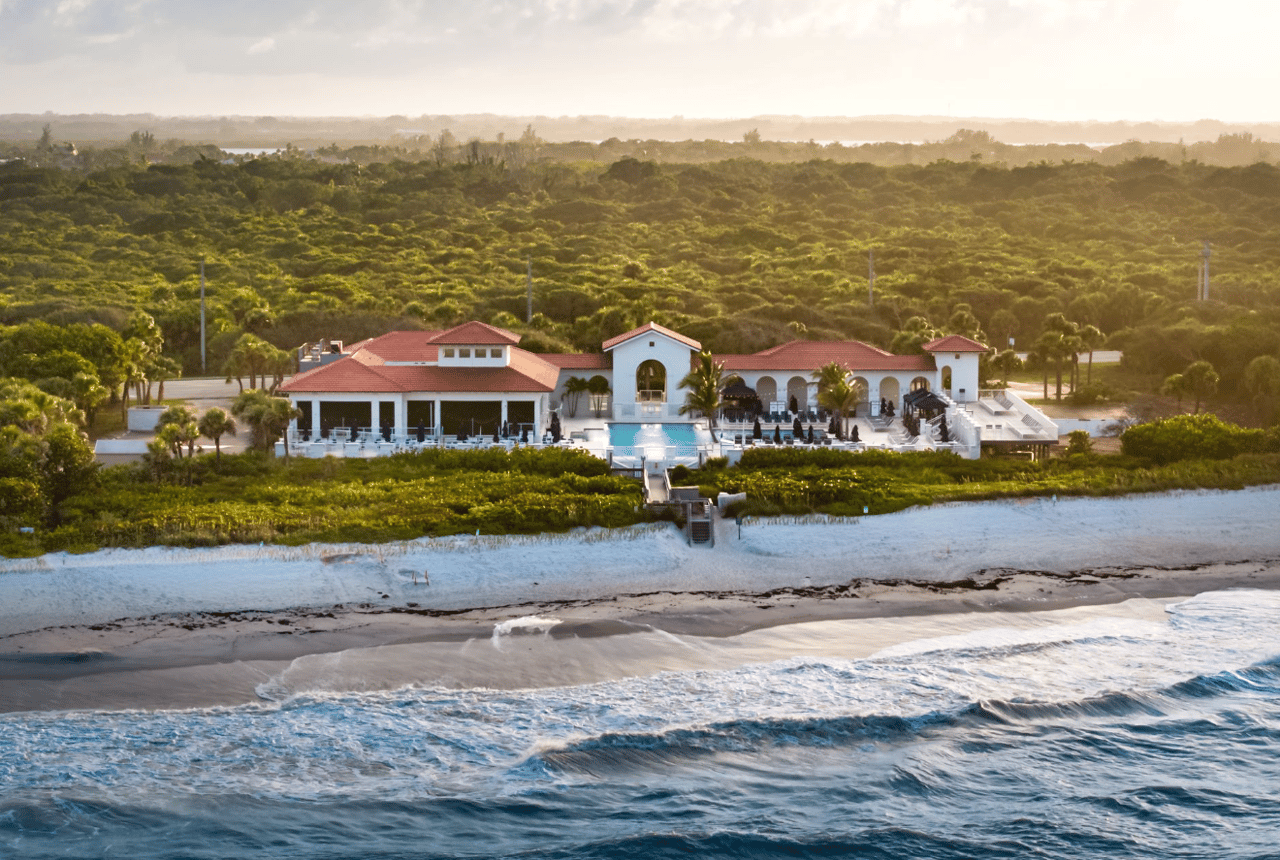
The Glencoe buyer profile is specific and consistent: privacy, natural surroundings, club culture, and water access. Not the high-rise Florida experience. Not the commercial corridor twenty minutes from the beach. The thing itself — a community that has been deliberately shaped to protect a way of living.