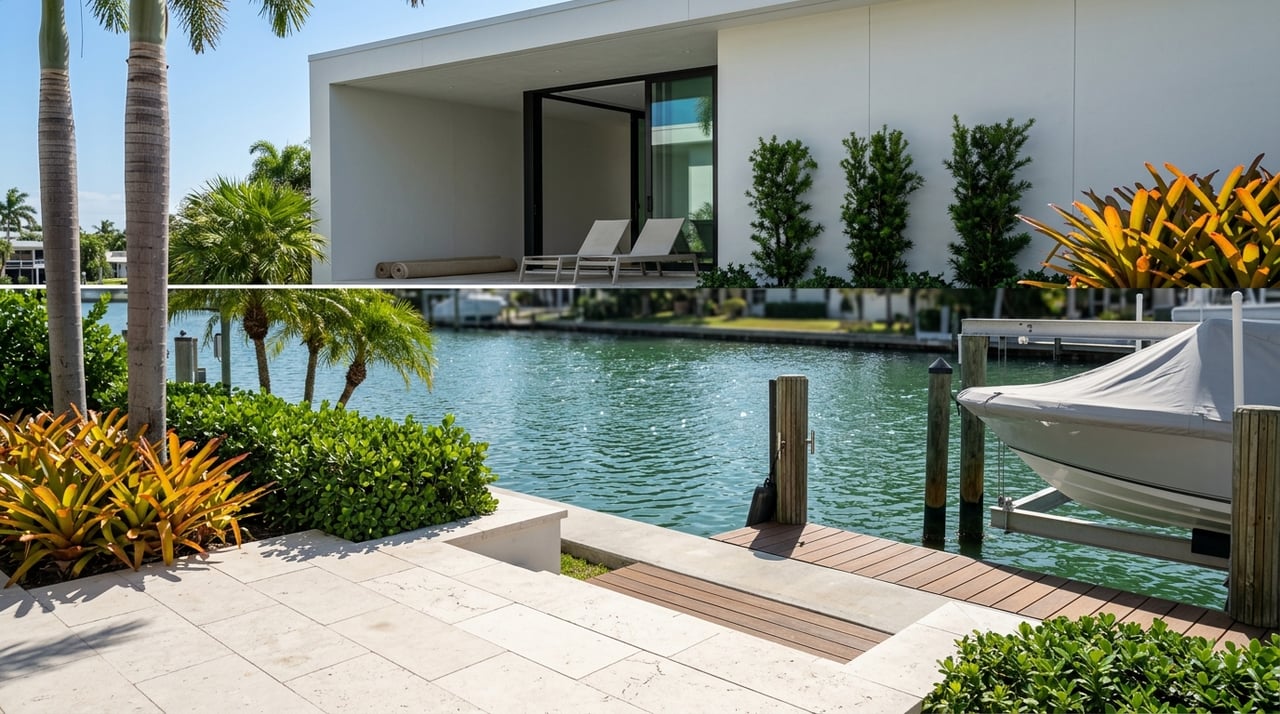
Fort Pierce And Vero Beach: Comparing Coastal Lifestyles
June 25, 2026
June 25, 2026
Are you drawn to the coast but unsure whether Fort Pierce or Vero Beach fits your style better? If you are comparing places to live, visit, or invest along the Treasure Coast, the difference is less about distance and more about daily rhythm. By looking at beaches, boating, downtown energy, dining, and the arts scene, you can get a clearer feel for which setting matches the life you want. Let’s dive in.
Fort Pierce and Vero Beach both offer a small-town coastal setting, but they express that lifestyle in different ways. Based on city and downtown sources, Fort Pierce comes across as more historic, marina-driven, and tied to a working waterfront.
Vero Beach feels more polished, low-rise, and walkable, with a stronger emphasis on public beach parks and arts-centered downtown experiences. If you are choosing between the two, the best question is not which is better. It is which version of coastal living feels more like home to you.
Fort Pierce highlights multiple beach access points on South Hutchinson Island, including South Beach Park and other city access sites. The city also points to more than 650 free parking spaces around South Beach, which helps support an easy, flexible beach routine.
South Beach Park includes beach access, a deck, grill, pavilion, picnic tables, restrooms, and showers. The city describes its beaches as uncrowded, pristine, and plentiful, which suggests a shoreline experience that feels open and spread out rather than tightly built around a resort district.
If you picture a beach day with room to breathe, easier parking, and a strong island-and-inlet atmosphere, Fort Pierce stands out. The official positioning suggests a setting that feels relaxed and less compressed, especially for buyers who value space and a more natural coastal rhythm.
This can appeal to people who want their beach time to feel casual and unhurried. You may find that the shoreline experience here supports a more laid-back routine built around the water itself.
Vero Beach organizes its beach experience around named public parks like Humiston Beach Park and South Beach Park. These parks offer beach access, parking, picnic amenities, and lifeguards, and the city says it provides trained, certified water-safety personnel at city beaches and aquatic facilities.
That official setup points to a shoreline that is very public-facing and easy to use. It also suggests a beach day that feels more structured, with clear amenities and supervision built into the experience.
If you prefer a beach routine with lifeguards, organized public access, and compact access points near downtown, Vero Beach may feel like the better fit. The city’s beach system supports a convenient, planned-out day where you can move easily between the shore and nearby in-town destinations.
For many buyers, that structure adds comfort and simplicity. It creates a style of coastal living where the beach is part of a broader walkable lifestyle rather than a more spread-out island outing.
For many Treasure Coast buyers, the marina tells you as much about a city as the beach does. In Fort Pierce and Vero Beach, both marinas are public and active, but they support different kinds of coastal identity.
That difference matters if you want your everyday environment to feel tied to sport fishing, inlet access, and waterfront energy, or if you prefer a marina experience that feels more community-based and intentionally low-rise.
Fort Pierce City Marina is publicly owned and operated and was established in 1937. The city describes it as a state-of-the-art dock system in historic downtown Fort Pierce, open to the public with amenities that include Wi-Fi, transient dockage, fuel, boat ramps, an official IGFA weigh station, fish cleaning, and two on-site restaurants.
The city also emphasizes the Fort Pierce Inlet as a straight, deep connection between the Atlantic Ocean and the Indian River Lagoon. It highlights access for day trips, kayaking, snorkeling, diving, and fishing, which gives Fort Pierce a strong working-waterfront and boating identity.
The City of Vero Beach Municipal Marina is also open to the public and welcomes more than 3,000 visiting boats a year, accounting for 20,000 overnights. Amenities include public slips, moorings, fuel, Wi-Fi, showers, a laundromat, a free bus to town, and a park with picnic shelters and barbecues.
The city’s planning language is especially telling. Marina uses are intended to support recreational boating access to the lagoon while maintaining Vero Beach’s small-town character with low-density, low-rise development.
Fort Pierce feels more tied to inlet access, fishing culture, and a downtown marina that is deeply connected to the city center. Vero Beach feels more like a community marina designed to preserve public access and support a smaller-scale lagoon lifestyle.
If you want a stronger sense of waterfront activity and maritime energy, Fort Pierce may resonate more. If you prefer a marina that complements a quieter, carefully preserved town character, Vero Beach may feel more aligned with your goals.
Downtown life is often where a coastal town reveals its personality. Both cities offer dining, events, and cultural stops, but the day-to-day experience can feel very different.
This is one of the clearest lifestyle dividing lines for buyers deciding where they may feel most comfortable spending weekends, hosting guests, or enjoying an evening out.
Downtown Fort Pierce is presented as a historic waterfront district with shopping, dining, farmers markets, Friday Fest, Jazz Craft Market, and the restored Sunrise Theatre. Main Street Fort Pierce also organizes festivals, a mural trail, history tours, and other activities that support downtown while preserving its historic fabric.
The local arts identity also feels deeply rooted in place. The A.E. Backus Museum & Gallery says it houses the nation’s largest public presentation of Backus’s work and continues the Highwaymen tradition, connecting Fort Pierce’s arts scene to regional history rather than only to gallery retail.
Main Street Vero Beach describes downtown as a walkable district with dining, shopping, art galleries, hair styling, fitness, and a bar-and-music scene. It also highlights easy-access parking lots, a garage, and free street parking, which supports a compact and accessible downtown experience.
Its dining directory is organized by quadrants and includes coffee spots, casual dining, bars, seafood, and fine dining. That structure gives downtown Vero Beach a curated feel, where you can sample a lot on foot without much planning.
Vero Beach’s arts scene is anchored by Riverside Theatre, the Vero Beach Museum of Art, and the Vero Beach Art Club. That lineup reinforces Vero Beach’s reputation as the more arts-programmed of the two cities.
Fort Pierce, by contrast, feels more eclectic and event-driven, with a strong connection between the waterfront, local history, live events, and arts traditions. If you like a polished, pedestrian downtown, Vero Beach may stand out. If you prefer a historic waterfront district with festivals and a bit more old-Florida character, Fort Pierce may feel more natural.
Both cities market themselves as small-town coastal destinations rather than large metro environments. Fort Pierce emphasizes a small-town atmosphere without metropolitan hassles, while Vero Beach’s planning framework is designed to preserve small-town character through low-density, low-rise development.
That means the real difference is not exactly busy versus quiet. It is the flavor of quiet that each place offers.
Fort Pierce feels quieter in a marina-and-festival way. The waterfront, fishing identity, historic downtown, and event calendar create a setting where activity often centers on the harbor, the inlet, and community gatherings.
For some buyers, that creates a more textured and traditional coastal atmosphere. It can feel authentic, practical, and closely tied to the water.
Vero Beach feels quieter in a boutique-and-arts way. Its low-rise character, public beach parks, municipal marina, and organized downtown experience support a lifestyle that feels tidy, intentional, and easy to navigate.
For buyers who value a polished setting with a refined rhythm, that difference can matter. You may find that Vero Beach offers a more curated version of coastal living without losing the small-town feel.
If you are trying to compare Fort Pierce and Vero Beach efficiently, the most useful approach is to experience both cities back-to-back. That gives you a more honest sense of how each one feels in real time.
A practical route is to start in Fort Pierce in the morning and then continue to Vero Beach in the afternoon. This sequence helps you compare beaches, marinas, and downtown areas without repetitive driving.
This side-by-side tour works well for out-of-area buyers, second-home shoppers, and anyone trying to understand lifestyle fit before narrowing a home search.
If you are choosing between Fort Pierce and Vero Beach, your decision may come down to what you want your everyday environment to feel like. Fort Pierce offers a more open beach pattern, a stronger working-waterfront identity, and a downtown shaped by history, festivals, and marina culture.
Vero Beach offers a more structured public beach experience, a low-rise and carefully preserved town character, and a downtown that feels compact, polished, and arts-centered. Both offer appealing coastal living on the Treasure Coast, but they speak to different preferences.
The best way to decide is to match the city to your routine, not just your wishlist. If you want help comparing neighborhoods, coastal property types, or lifestyle options throughout the Treasure Coast, connect with Vero Premier Properties for a personalized conversation.
Lead Real Estate Agent
Buying a home is a very emotional experience, especially for those who have not done it very often. My experience in sales can help guide buyers with an analytical approach.
Find Your Dream Home
Get assistance in determining current property value, crafting a competitive offer, writing and negotiating a contract, and much more. Contact us today.