Foreign Money Made Florida the World's Address. The Barrier Islands Are Where It Settles.
Ben Bryk July 17, 2026
Ben Bryk July 17, 2026
International buyers spent $56 billion on American homes last year and chose Florida over every other state. Two hours north of Miami, on Vero Beach's barrier island, a more private class of global buyer is finding what the gateway cities no longer offer.
Is Florida still the top market for international luxury buyers in 2026? Yes — and by a wide margin. Florida captured 21% of every foreign home purchase in the United States, more than any other state, a streak now stretching at least 15 years. For buyers who want the state's tax posture and climate without Miami's density and pricing, Vero Beach's barrier island has become the discreet alternative: a predominantly all-cash market where oceanfront and private-club living trade at a fraction of comparable Naples pricing.
The most telling number in American luxury real estate this year did not come from Manhattan or Beverly Hills. It came from a survey of foreign buyers, and it pointed south. Between April 2024 and March 2025, international purchasers spent roughly $56 billion on U.S. existing homes — a 33% jump over the prior year, and the first annual increase since 2017, according to the National Association of Realtors. They bought about 78,100 properties. And more of them planted their capital in Florida than anywhere else.
For a certain kind of buyer, the logic is almost mechanical. The dollar remains a fortress. American property rights are, by global standards, unusually well protected. And Florida layers onto that a set of advantages that read like a term sheet: no state income tax, no state estate or inheritance tax, and an effective property-tax burden that lands near one percent of value. The state has spent two decades converting those fundamentals into the country's most reliable magnet for foreign money — the same fundamentals that make it the American gateway to Latin America, closer by direct flight to Bogotá, São Paulo and Toronto than to much of its own hinterland.
What has changed is not the appetite. It is the address. The gateway cities that absorbed the first waves — Miami above all — have grown dense, expensive and, for buyers who prize discretion, conspicuous. The more interesting story in 2026 is where the sophisticated end of that capital is going next.
Foreign residential purchases, most recent reporting cycles — national and Florida.
Sources: National Association of Realtors, 2025 International Transactions in U.S. Residential Real Estate; Florida Realtors, 2025 Profile of International Residential Transactions in Florida. Figures reflect the most recent reporting periods and are subject to revision.
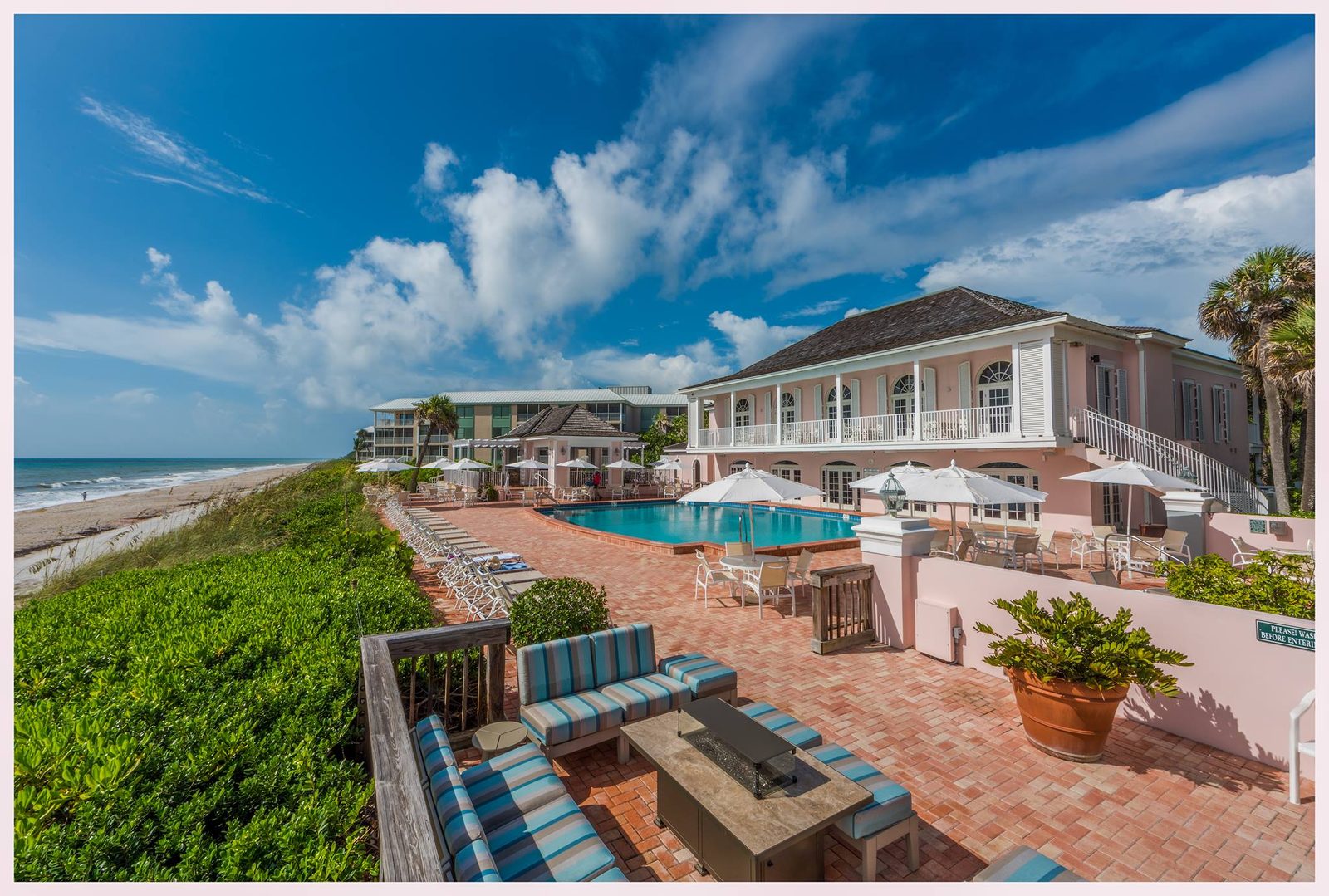
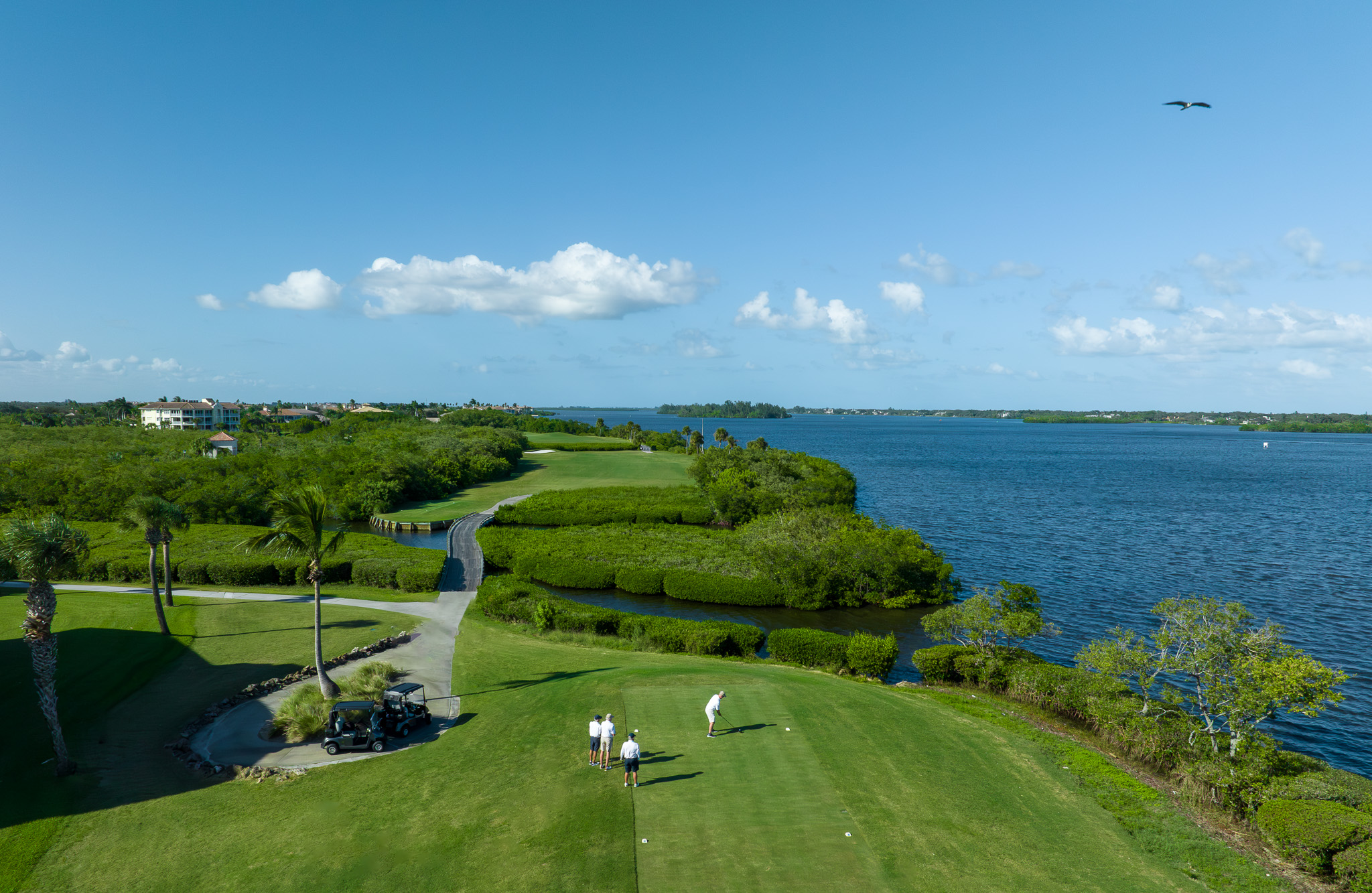
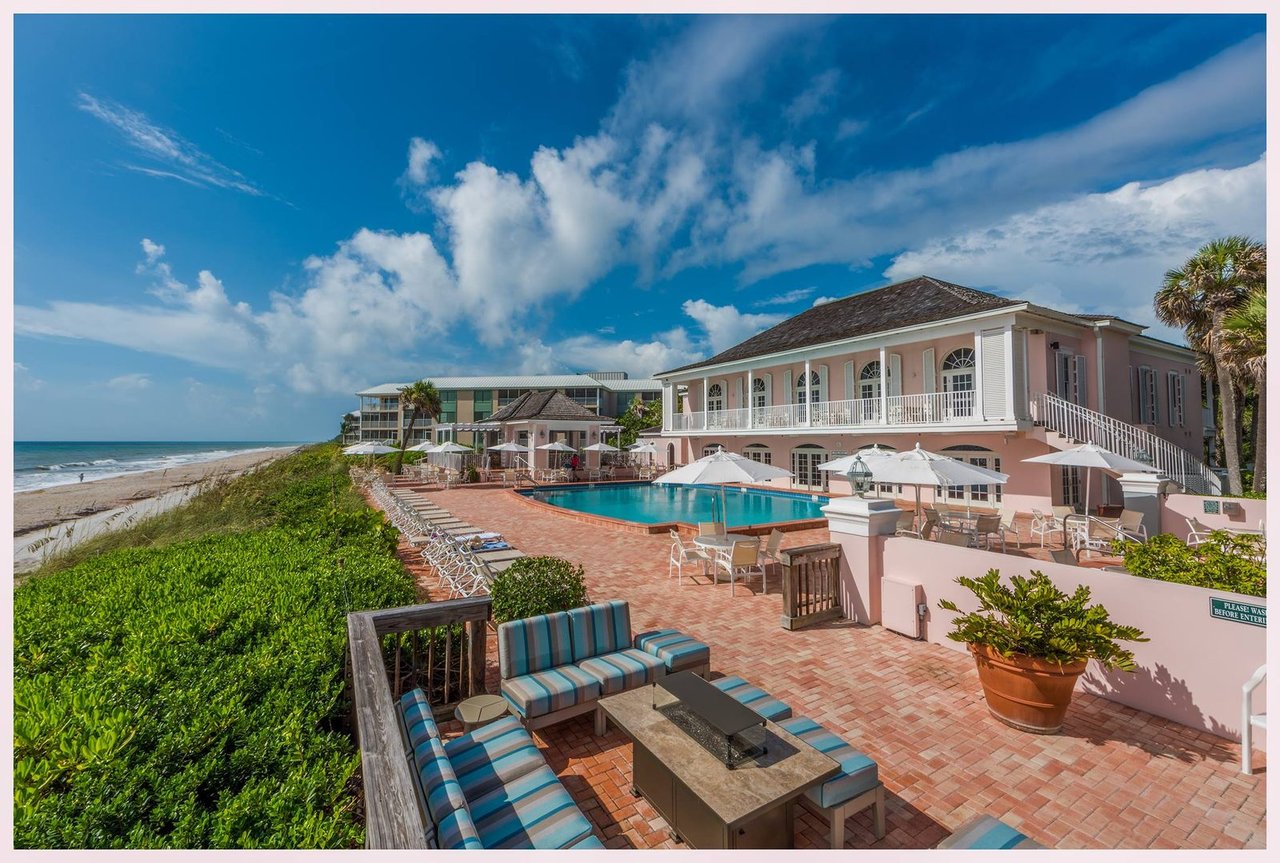
Run a straight line up the Atlantic coast from Miami and the density thins before the appeal does. Roughly two hours north, the mainland gives way to a slender barrier island — a sandbar between the Indian River Lagoon and the ocean — that has held, almost stubbornly, to a different idea of Florida luxury. No high-rise skyline. No velvet ropes. A canopy of live oaks, a handful of private clubs, and beach communities where the loudest sound most afternoons is the surf.
This is Vero Beach, and its case to the global buyer is not sentimental — it is arithmetic. Barrier-island pricing runs roughly two-thirds below comparable product in Naples, the state's benchmark for coastal wealth. A buyer who has resigned themselves to Naples or Palm Beach numbers routinely discovers that the same money buys materially more house, more land and more water on the Treasure Coast. And it buys it in a market that behaves the way global capital prefers to behave: quietly, and in cash.
That last point is not incidental. On Vero's barrier island, roughly 62.7% of transactions close all cash — among the highest rates in the country. For a buyer wiring funds from abroad, a cash market is a frictionless market: no financing contingency, no rate anxiety, no lender translating a foreign income statement. It is precisely the environment in which the 47% of foreign buyers who pay cash nationally feel most at home.
The foreign buyer who matters most to the barrier island is a specific figure. Nationally, buyers living abroad — as opposed to recent immigrants already stateside — accounted for about 34,400 purchases and $29.1 billion in volume, and they consistently reach for the upper end of the market. This is the second-home buyer: the family acquiring a winter residence, a legacy asset, a place to gather. They spend more than the average American buyer, and nearly half of them pay cash. That description could have been written for Vero Beach.
The map of origin reinforces it. Florida's foreign dollars in the most recent cycle came led by Canada — $1.9 billion, up 52% — followed by a striking resurgence from Colombia at roughly $925 million and Brazil near $762 million, per Florida Realtors. These are precisely the northern and Latin American buyers for whom Florida has long been the natural harbor: close, familiar, warm, and governed by rules that treat private capital as an asset rather than a target. The barrier island offers them the same climate and the same tax logic as the gateway markets, minus the crowds that increasingly define those markets.
It is worth stating plainly what these buyers are not looking for. They are not chasing rental yield on a downtown tower. They are looking for a place that feels like a refuge and holds its value like one — a distinction that has always favored scarce, low-density, water-adjacent real estate over anything that can be built in bulk.
“Global buyers have been choosing Florida for fifteen years running. The sophisticated ones are now choosing which Florida — and the barrier island is the answer for those who want the refuge without the spotlight.”
Ben Bryk & J. Vance Brinkerhoff, Vero Premier Properties
The island is not monolithic. It is a sequence of distinct enclaves, each with its own character, membership culture and price architecture. For an international buyer orienting from abroad, a short map helps.
The island's most established address — three miles of private oceanfront, three golf courses, and a membership culture that prizes discretion above all. The benchmark for legacy buyers.
A gated golf-and-beach community with an intimate scale and direct Atlantic frontage. Favored by families seeking a turnkey seasonal residence with full club amenities.
The Duany-planned New Urbanist village — an internationally known enclave of courtyard homes, a polo field and equestrian life. Distinctive architecture that travels well with a global audience.
A gated golf-and-marina community spanning the lagoon with its own beach club — strong value per square foot and a natural fit for boating buyers who want deep-water access.
An oceanfront gated community with a beach club, tennis and spa — an accessible entry point to island living without sacrificing amenity depth or proximity to the water.
A barrier island cannot expand. Every one of these communities is bounded by water on both sides — the structural reason island value has proven durable across cycles.
For all its appeal, a cross-border purchase carries questions a domestic buyer never confronts — currency timing, tax residency, entity structure, and the withholding rules that govern a foreign seller's eventual exit. Handled well, none of these are obstacles. Handled poorly, they become expensive.
Two points reassure most international buyers early. First, Florida imposes no state-level withholding on a foreign seller's proceeds — the federal FIRPTA rules apply, but the state does not stack its own levy on top, as several other states do. Second, the cash character of the barrier-island market removes the single most common friction point in a foreign purchase: the mortgage. Without a lender in the transaction, closings move on the buyer's timeline, not an underwriter's.
What remains is coordination — and coordination is a solvable problem. The right domicile attorney, the right cross-border CPA, and the right title team, working in concert before an offer is written, turn a daunting process into a routine one. None of this is legal or tax advice; every international buyer should retain their own qualified counsel. But the pattern is well worn, and the professionals who run it locally do so many times a year.
An international buyer is, by definition, usually somewhere else. The representation that suits them is built for distance and detail — not for pressure. That is the practice Ben Bryk and J. Vance Brinkerhoff have built on the island under Coldwell Banker Global Luxury.
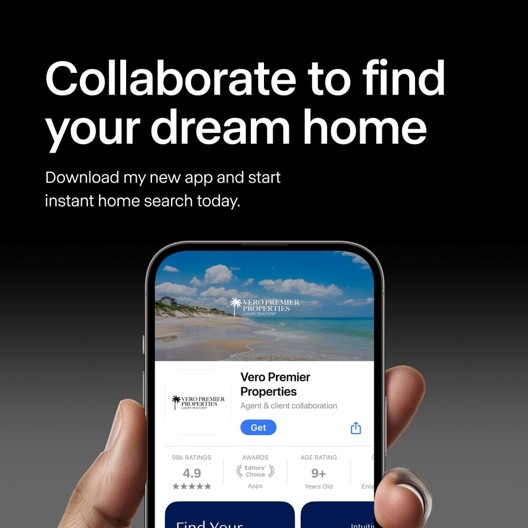
Two tools do quiet, disproportionate work. A proprietary application — an Apple Editors' Choice title, rated 4.9 stars, and the only luxury real estate app of its kind within roughly a hundred miles — puts live island inventory in a buyer's hand in Toronto or São Paulo the moment it lists. And a Financial Concierge Desk convenes the domicile attorneys, CPAs and wealth advisors a cross-border purchase requires, so that the tax and structuring questions are answered before, not after, a decision is made. The effect is a transaction that respects both the buyer's distance and their time.
The credentials sit behind the work rather than in front of it: national RealTrends Verified standing in the top 1.5% of agents, more than $1.2 billion in career sales, and recognition among Florida's most trusted advisors by Apple News. For a buyer choosing a market sight-unseen, that track record is not a flourish. It is the point.
Yes. There is no citizenship or residency requirement to own U.S. residential real estate, and Florida places no restriction on foreign ownership of barrier-island homes. Non-resident foreigners and visa holders alike routinely purchase in Vero Beach — and nationally, foreign buyers who live abroad account for a large share of high-end purchases. The practical work is coordination: currency, tax residency and title, ideally arranged before an offer.
Florida captured about 21% of all foreign home purchases in the most recent national cycle — more than any other state — extending a lead of at least 15 years. The pull is structural: no state income tax, no state estate or inheritance tax, an effective property-tax burden near 1%, strong protection of private property, a warm climate year-round, and the nation's best direct-flight access to Latin America and Canada.
Barrier-island pricing in Vero Beach runs roughly two-thirds below comparable oceanfront and club product in Naples. Buyers benchmarking against Naples or Palm Beach numbers frequently find the same budget secures materially more home, land and water frontage on the Treasure Coast — in a lower-density setting with the identical Florida tax advantages.
Most do. Roughly 62.7% of barrier-island transactions close all cash — among the highest rates in the country — and about 47% of foreign buyers nationally pay cash, versus 28% of all U.S. buyers. A cash purchase removes the financing contingency and lets closings proceed on the buyer's timeline rather than a lender's, which is a significant advantage for a buyer wiring funds from abroad.
In the most recent Florida-specific cycle, Canada led by dollar volume at roughly $1.9 billion (up 52%), followed by a strong resurgence from Colombia near $925 million and Brazil around $762 million. Total foreign dollar volume into Florida reached about $10.4 billion, a 50% rise over the prior year. These northern and Latin American buyers are the core audience for the barrier island.
Federal FIRPTA rules apply to a foreign person's sale of U.S. real property, with default withholding on the gross sale price and reduced or zero rates in certain owner-occupied cases. Notably, Florida imposes no additional state-level withholding on top of the federal rule, unlike several other states. Every international seller should confirm their specific position with a qualified cross-border CPA and attorney; this is general information, not tax advice.
Ben Bryk and J. Vance Brinkerhoff of Vero Premier Properties, the signature division of Coldwell Banker Global Luxury, specialize in the barrier-island communities of John's Island, Orchid Island, Windsor, Grand Harbor and Sea Oaks. Reach Ben at 772-713-9455, Vance at 772-913-3426, or explore live inventory at floridaeastcoastluxuryhomes.com.
Barrier-island inventory is finite and rarely public for long. Whether you are buying from across the country or across the hemisphere, start with representation built for the distance.
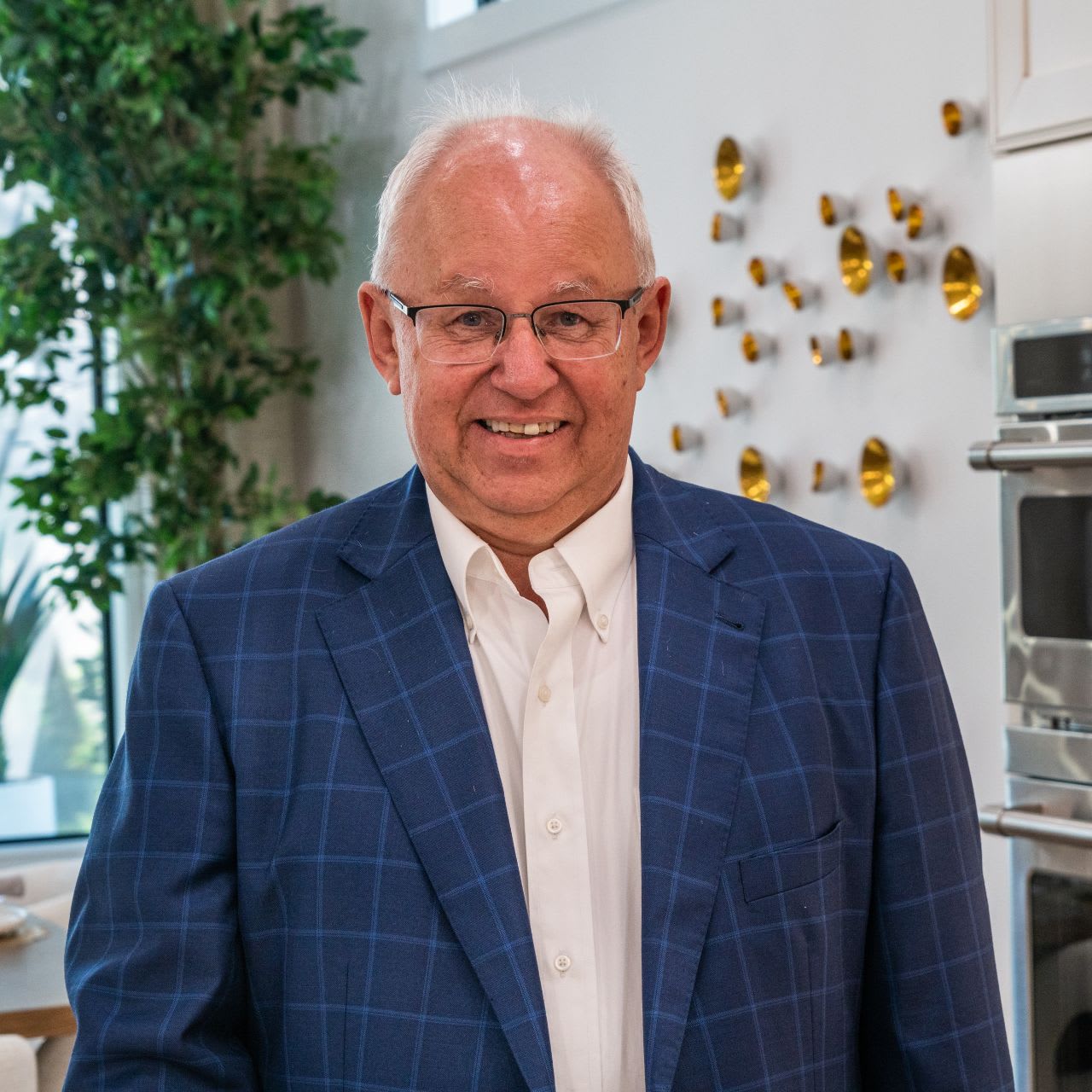
Lead Real Estate Agent
Buying a home is a very emotional experience, especially for those who have not done it very often. My experience in sales can help guide buyers with an analytical approach.
Find Your Dream Home
Get assistance in determining current property value, crafting a competitive offer, writing and negotiating a contract, and much more. Contact us today.