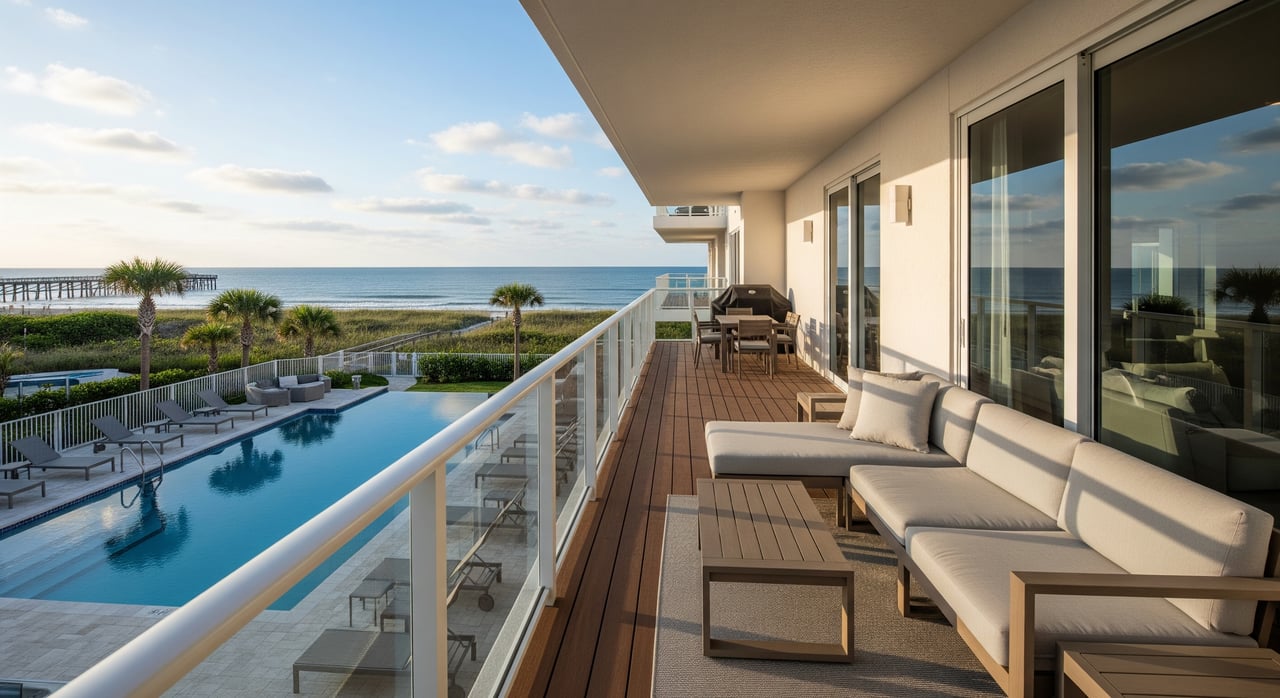
Evaluating Beach Rental Condos In Fort Pierce
January 1, 2026
January 1, 2026
Dreaming of a Fort Pierce beach condo that helps pay for itself when you are not in town? You are not alone. Many second‑home buyers want easy beach access, plus reliable rental income during snowbird season. This guide shows you how to evaluate a condo’s rental potential, from local rules and condo association health to seasonality and true operating costs. Let’s dive in.
Before you fall in love with the view, confirm what is allowed. Start by reviewing city and county guidance for rentals. Rules can differ between jurisdictions, so check both the City of Fort Pierce and St. Lucie County for any business tax receipts, registrations, or inspections tied to vacation rentals.
Short‑term lodging revenue in Florida is generally taxable. You should confirm state sales tax, any county surtax, and the Tourist Development Tax. Registration and remittance details are available through the Florida Department of Revenue and St. Lucie County resources. If you or your platform collects taxes on bookings, verify which taxes are already covered and which you must remit yourself.
A quick tip: document what you learn. Save links, names of staff you speak with, and any forms you will need later. Clear records make setup and underwriting smoother.
Florida law gives associations wide latitude to adopt rental restrictions. Review Florida Statutes that govern associations, especially Chapter 718 for condos and Chapter 720 for HOAs, via the Florida Legislature site. Typical association rules include minimum stay requirements, caps on the number of units that may be rented, and guest registration rules. A minimum stay such as 30 days, for example, can limit nightly rentals and shift your strategy to monthly or seasonal bookings.
Request the full set of association documents before you write an offer. Ask for:
Enforcement matters. A rule that looks flexible on paper may be tightly enforced in practice. Ask the manager about compliance, fines, and how many rental applications are pending. For deeper context on healthy reserves and budgeting, review best practices from the Community Associations Institute.
Coastal buildings work harder. Salt and sun accelerate wear on roofs, railings, paint, windows, doors, elevators, parking areas, and seawalls. That is why you should study the reserve study, the actual reserve balance, and notes about recent or planned projects.
Well‑funded reserves and a clear plan help protect your cash flow. Underfunded reserves often lead to special assessments, which can reduce returns or delay renovation plans.
Fort Pierce and the broader Treasure Coast tend to see peak demand from late fall through early spring, roughly November through April, driven by winter visitors and longer snowbird stays. Summer can soften and overlaps with hurricane season, so plan for lower occupancy and rate fluctuations.
To validate revenue assumptions, compare similar beach‑area condos and build a monthly view of occupancy and average daily rate. Tools such as AirDNA can help you benchmark local occupancy and pricing trends by neighborhood. Cross‑check what you see online with conversations with local property managers and the county’s tourism resources on the St. Lucie County site.
Key demand drivers to consider include winter visitors, weekend beach travel, access to fishing and boating, local events and festivals, and proximity to neighboring markets to the north and south. Micro‑markets vary, so a small beachfront association may perform differently than a larger complex.
Build your underwriting with a full picture of costs. Leave room for the unexpected, especially in a coastal setting.
Also include a vacancy allowance that reflects your personal use and seasonality. If you plan to block out prime weeks for yourself, model the revenue impact.
Create three scenarios for your pro forma: conservative, expected, and optimistic. For each, calculate monthly revenue by season, then subtract all expenses to get a projected Net Operating Income. From there, compute cash‑on‑cash and cap rate.
For tax planning on residential rental property, review IRS Publication 527 and consult your tax advisor so you can plan for depreciation and expense treatment.
When you find a promising condo, move quickly to gather facts:
Document everything you receive and build a clean file. It will help negotiations and future compliance.
Pre‑screen the listing against your goals, including unit size, view, parking, and proximity to the beach and marinas.
Request all HOA documents, financials, and rental rules. Pause if anything is missing.
Review seasonality and pricing comps. Use tools like AirDNA and speak with a local property manager for current ADR and occupancy ranges.
Build your conservative pro forma with line‑item expenses, taxes, and platform fees. Include vacancy and personal use.
Obtain insurance quotes, including wind and flood if applicable, and confirm what the HOA master policy covers.
Discuss lending options and any condo project eligibility questions with your lender early.
Write offers that reflect your findings, with contingencies for document review, insurance quotes, and satisfactory HOA responses.
You deserve a clear, data‑driven path to a beach condo that fits both your lifestyle and your numbers. Our team pairs neighborhood insight with careful document review and revenue modeling. We help you verify rules, assess HOA strength, estimate true operating costs, and position offers that reflect real‑world cash flow and risk.
If you are considering a Fort Pierce beach rental condo, let us guide your process from first shortlist to keys in hand. Connect with Vero Premier Properties to start a focused search and a thoughtful underwriting plan.

Lead Real Estate Agent
Buying a home is a very emotional experience, especially for those who have not done it very often. My experience in sales can help guide buyers with an analytical approach.
Find Your Dream Home
Get assistance in determining current property value, crafting a competitive offer, writing and negotiating a contract, and much more. Contact us today.