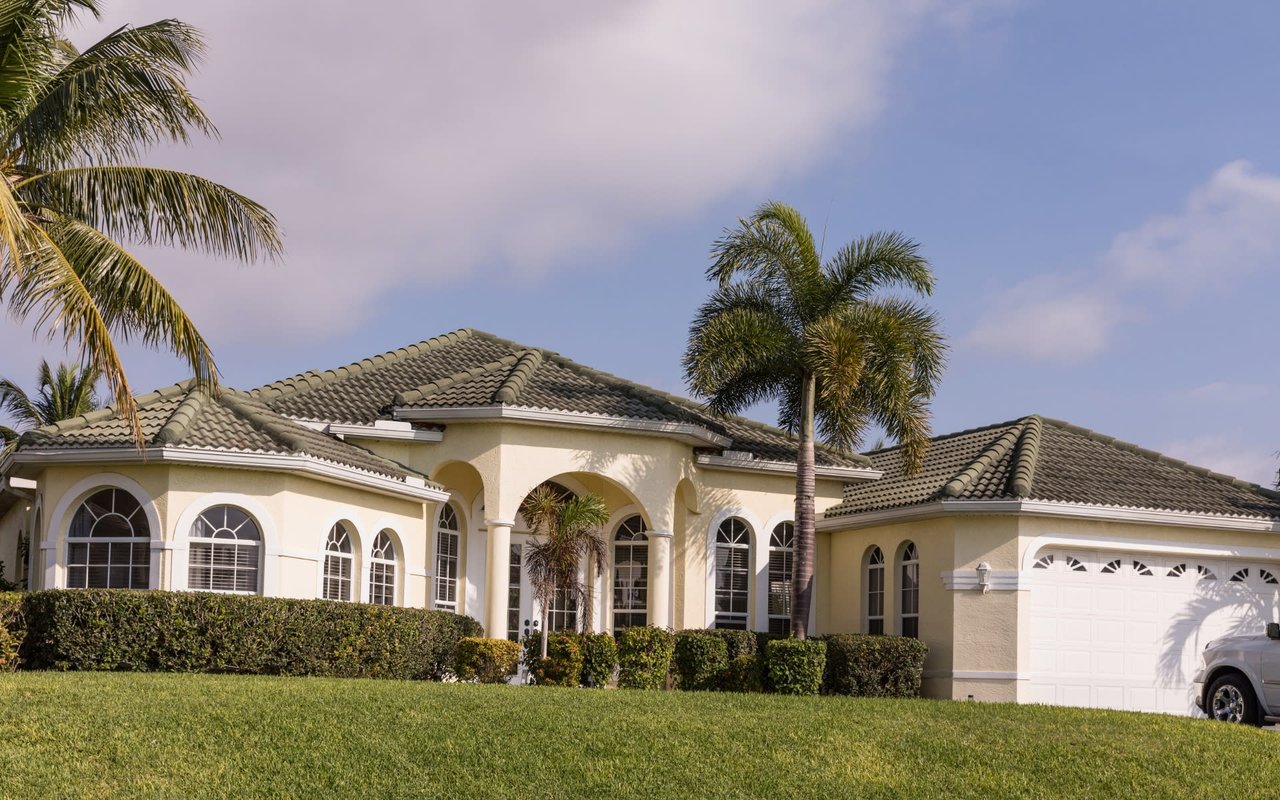
Amendment 3 at a glance. Sources: Florida Realtors, Florida Division of Elections ballot summary.
01What Florida voters approved on Tuesday
Amendment 3 cleared the ballot on November 3 with 62% of the vote, two points above the 60% a constitutional amendment needs in Florida. It raises the homestead exemption on non-school property taxes from today's roughly $50,000 to $150,000 in 2027 and $250,000 in 2028, then indexes the figure to inflation. School district levies are excluded, a carve-out the Legislature made when it placed the measure on the ballot during its June special session.
On Wednesday, Gov. Ron DeSantis told reporters he will call lawmakers back to Tallahassee within the next two months, before his term ends in early January, to write the implementing law. He said the session will set the schedule for the larger exemption and limit local governments from what he called "doing an end run around the amendment" through other forms of taxation. He also suggested the Legislature could revisit the state's K-12 funding formula next year.
02The clause most relocating buyers have not read
The court-ordered ballot summary contains one sentence that matters more to an out-of-state buyer than any headline number. Persons who are not Florida residents on December 31, 2026 receive the existing homestead exemption when they qualify, and the increased exemption begins with their fifth year of exemption, to the extent permitted by the U.S. Constitution.
Put plainly, two buyers can close on identical homes on the same Vero Beach street in 2027 and carry very different tax bills for four years. The one who was a Florida resident on the last day of 2026 is in line for the full $150,000, then $250,000, exemption. The one who arrived in January starts at the old level and waits. For buyers leaving New York, New Jersey, Connecticut, Massachusetts or Illinois, the residency question has moved from a tax-planning footnote to a calendar decision.
03Residency and homestead are two different tests
Law firms tracking the amendment have been careful to separate the two. Florida residency is about domicile: where you live permanently and intend to remain, usually evidenced by a Florida driver license, vehicle registration, voter registration and a recorded Declaration of Domicile. Homestead is about a specific property: you must own it and occupy it as your permanent residence on January 1 of the tax year, then file with the county property appraiser by March 1.
That distinction creates a practical sequence. A buyer can establish Florida residency before December 31, 2026 and close on a home later, or close and move in before the new year and file for homestead in Indian River County by March 1, 2027. Which route fits depends on where you are in your search, your obligations in your current state, and how that state treats a departing resident. This is a conversation to have with a domicile attorney and your CPA now, not in late December.
04Running the arithmetic on a Vero Beach home
Because the new exemption applies only to non-school levies, the savings depend on the county, city and special-district millage on a particular parcel. The arithmetic itself is simple: every $100,000 of additional exemption removes $100 of tax for each non-school mill. Moving from roughly $50,000 to $250,000 by 2028 adds about $200,000 of exemption, which is worth $200 a year for every non-school mill on your bill. Florida TaxWatch estimates non-school levies make up about 60% of a typical Florida property tax bill.
Two cautions belong next to that math. The amendment does not freeze millage rates, and local governments can still adjust rates within legal limits, which is exactly what the governor's special session is meant to address. And the Save Our Homes cap on annual assessment increases for homesteads, the lower of 3% or inflation, is unchanged, so long-held homesteads keep that protection on top of the larger exemption.
Two buyers can close on identical homes on the same street in 2027 and carry very different tax bills for four years. The difference is where they lived on December 31.Ben Bryk
05Second homes, seasonal owners and the 5% cap
Second homes, rentals and commercial property do not receive the homestead exemption. Their benefit is a lower ceiling: beginning January 1, 2027, the annual cap on assessment increases for non-homestead property drops from 10% to 5% for non-school levies. A purchase still resets the assessment to market value, so the cap protects owners going forward rather than lowering the starting point.
For seasonal owners who split the year between Vero Beach and the Northeast, Amendment 3 sharpens a choice many have deferred. Keeping Florida as a second home now means the 5% cap. Making it the primary residence means the larger exemption, and the timing of that decision relative to December 31 determines how soon it applies.
06What is still unsettled
The amendment faced organized opposition through the campaign from firefighters, police and EMS groups, local government officials and some Republican leaders, who argued rural counties would struggle to absorb the revenue loss without cutting essential services. Supporters, led by the governor, argued that homeowners needed relief after years of rising valuations. Both arguments will shape the implementing law.
Three items deserve attention over the coming weeks: the text of the special-session legislation, any guidance the Florida Department of Revenue and county property appraisers issue on how the December 31 residency date will be documented, and whether the five-year provision for new residents is challenged under the U.S. Constitution, a caveat written into the ballot language itself. We will update this analysis as each one resolves.
07What this means for buyers and sellers in Vero Beach
For buyers relocating from the Northeast and Midwest, the next eight weeks carry unusual weight. A buyer who was planning a spring search may find that establishing residency, or closing and occupying a home, before year end is worth a measurable sum over the following four years. That calculus applies across the barrier island and the mainland, in Sea Oaks, Grand Harbor and the neighborhoods in between.
For sellers, the implication is a motivated buyer pool in November and December, a period that is often quiet. Homes that are priced correctly and marketed now to out-of-state buyers can meet that urgency. Vero Premier Properties markets every listing with professional photography, drone and cinematic video, its own dedicated website, and syndication to more than 750 sites, with a YouTube library of more than 1,200 videos reaching buyers in the feeder markets where this decision is being made right now. The firm's principals, Ben Bryk and J. Vance Brinkerhoff, are RealTrends Verified in the top 1.5% nationally, with more than $1.2 billion in career sales across more than 2,000 transactions.
08Frequently asked
Did Florida Amendment 3 pass?
Yes. Amendment 3 passed on November 3, 2026 with 62% of the vote, above the 60% required for a constitutional amendment. It raises the homestead exemption on non-school property taxes to $150,000 in 2027 and $250,000 in 2028, adjusted for inflation afterward. Gov. DeSantis plans a special legislative session before early January to implement it.
Why does December 31, 2026 matter under Amendment 3?
The ballot summary says people who are not Florida residents on December 31, 2026 receive the existing homestead exemption when they qualify, with the increased exemption beginning in their fifth year of exemption, to the extent permitted by the U.S. Constitution. People who are Florida residents on that date can receive the larger exemption as it phases in, once they qualify a property for homestead.
Do I have to own a Florida home by December 31, 2026 to get the larger exemption?
Residency and homestead are separate tests. Residency concerns your permanent domicile, while homestead requires owning and occupying a specific home as your permanent residence on January 1 of the tax year and filing with the county property appraiser by March 1. Because the rules are new and implementing legislation is pending, confirm your situation with a Florida domicile attorney or CPA.
Does Amendment 3 lower school property taxes?
No. The larger homestead exemption applies only to county, city and special-district levies. School district property taxes are excluded, although the governor has suggested the Legislature could revisit the state's school funding formula next year.
How does Amendment 3 affect second homes and rental properties in Vero Beach?
Second homes and rentals do not receive the homestead exemption. Starting January 1, 2027, the annual cap on assessment increases for non-homestead property drops from 10% to 5% for non-school taxes. A sale still resets the assessed value to market value.
Related
Vero Beach homes for sale on the barrier island and mainland · Grand Harbor homes for sale

Ben Bryk and J. Vance Brinkerhoff, Co-Founding Principals, Vero Premier Properties.