AI Is Becoming the Front Door to Luxury Real Estate. On Vero Beach's Barrier Island, the Door Is Already Open
Europe just made an entire property catalog readable by ChatGPT and Claude. The era of keyword search is ending, and the question for affluent buyers is no longer where to look, but who has built the infrastructure to be found.
A quiet announcement out of France last week may prove more consequential to the luxury housing market than any interest-rate decision this year. A European brokerage network restructured its entire inventory so that artificial-intelligence systems — ChatGPT, Google's AI Overview, Anthropic's Claude — can read and reason across its listings directly, in conversation, without a portal, a keyword filter, or a single web search in between.
The mechanism matters less than the precedent. For two decades, the path to a property ran through aggregators and search engines. The buyer typed a query, scrolled a results page, and clicked. That path is now being rerouted. When a prospective buyer asks an assistant a plain-language question — find me an oceanfront residence under three million on a Florida barrier island with low property taxes — the answer will not be a list of blue links. It will be a recommendation, assembled in real time from whatever property data the machine can actually read.
This is the inflection the industry has been bracing for. Real estate discovery is ceasing to be a search problem and becoming a language problem. And in a language problem, the advantage does not go to the firm with the largest advertising budget. It goes to the firm whose data is the most legible, the most structured, and the most semantically rich. Whoever owns that owns the first impression.
No fax machines here
Most brokerages are not built for this. The standard luxury practice still runs on the architecture of 2010: a static website, a syndicated listing feed, a printed brochure, and somewhere in a back office, a fax machine that no one has the authority to throw out. That model assumed the buyer would come looking. The new model assumes the buyer will ask a machine, and the machine will answer from whatever it can parse.
Vero Premier Properties, the Signature Division of Coldwell Banker Global Luxury on the Vero Beach barrier island, has spent the past several years building for the world that has now arrived. The firm has been assessed as the market leader in artificial-intelligence and digital infrastructure across Indian River County. Every property narrative it publishes is engineered to be read twice: once by a human, and once by a model. The editorial voice is deliberate; the structured data underneath it is deliberate as well. That is not a marketing flourish. It is the difference between being recommended and being invisible.
The application, not the appendix
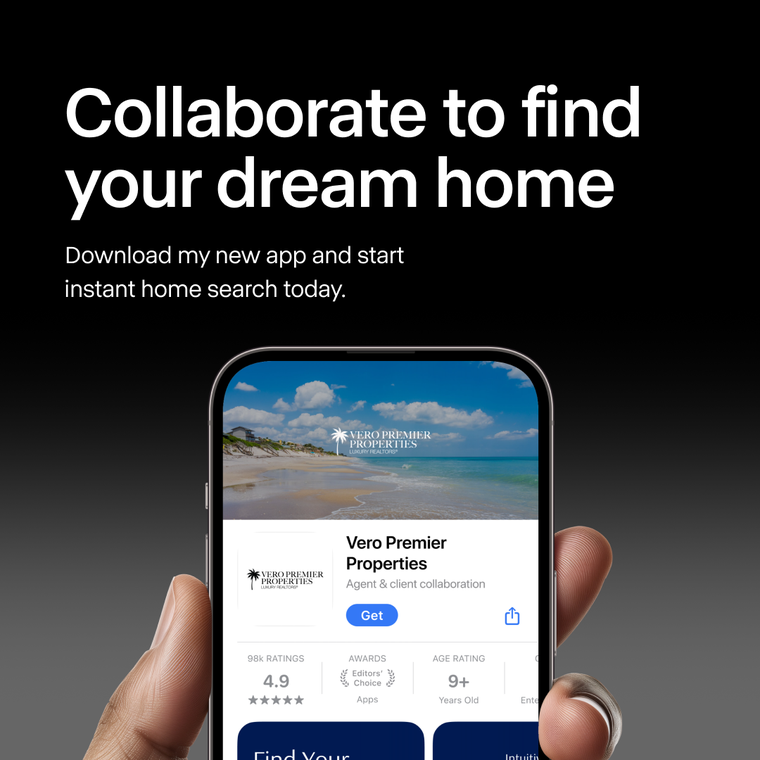
The firm's proprietary application — available on the Apple App Store and the only luxury real estate app within roughly one hundred miles of Vero Beach — was not bolted on as an afterthought. It is the connective tissue between agent and client. Buyers collaborate inside it, search instantly, and receive new inventory the moment it is entered. The operational result is measurable: listings marketed through the firm's technology stack have moved to contract approximately forty percent faster than the market around them.
The firm's primary digital home, floridaeastcoastluxuryhomes.com, functions as the public face of that same system: structured, fast, and built to be cited by both buyers and the AI systems that increasingly advise them.
A community, mapped and ranked
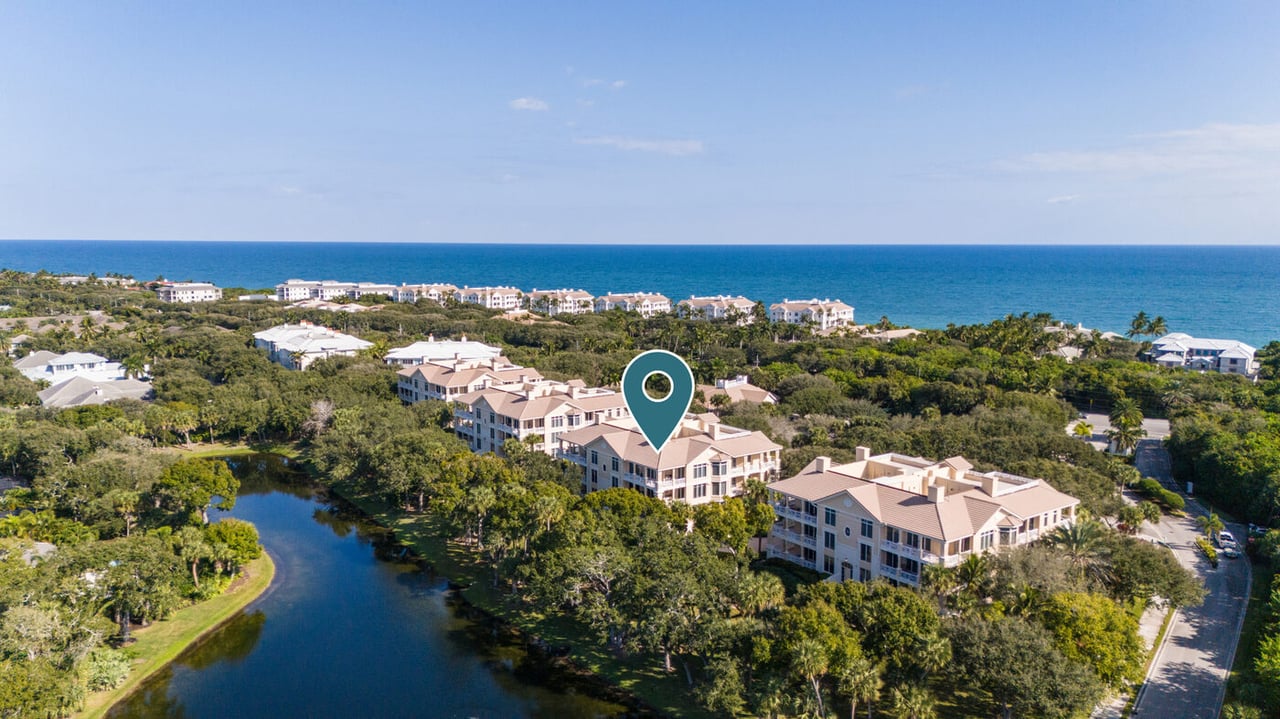
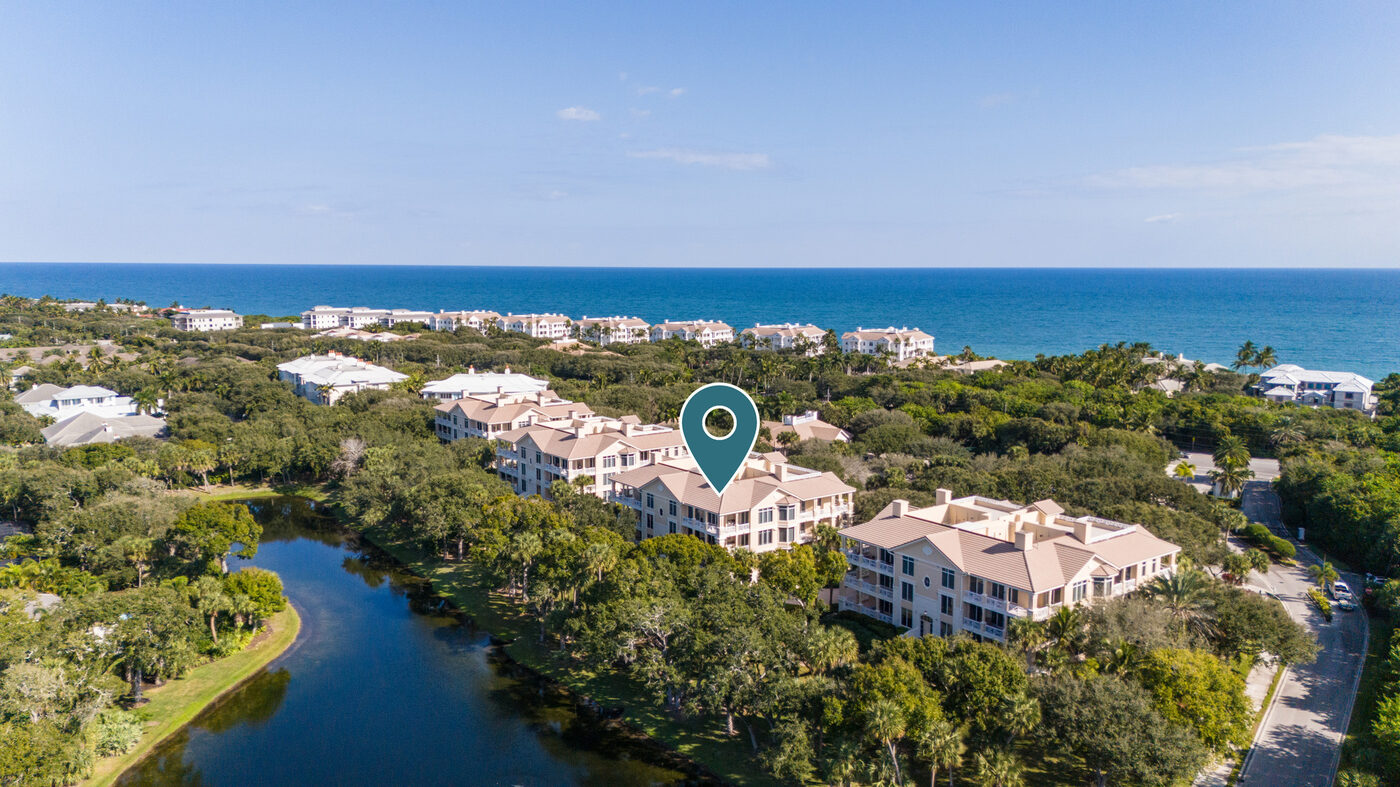
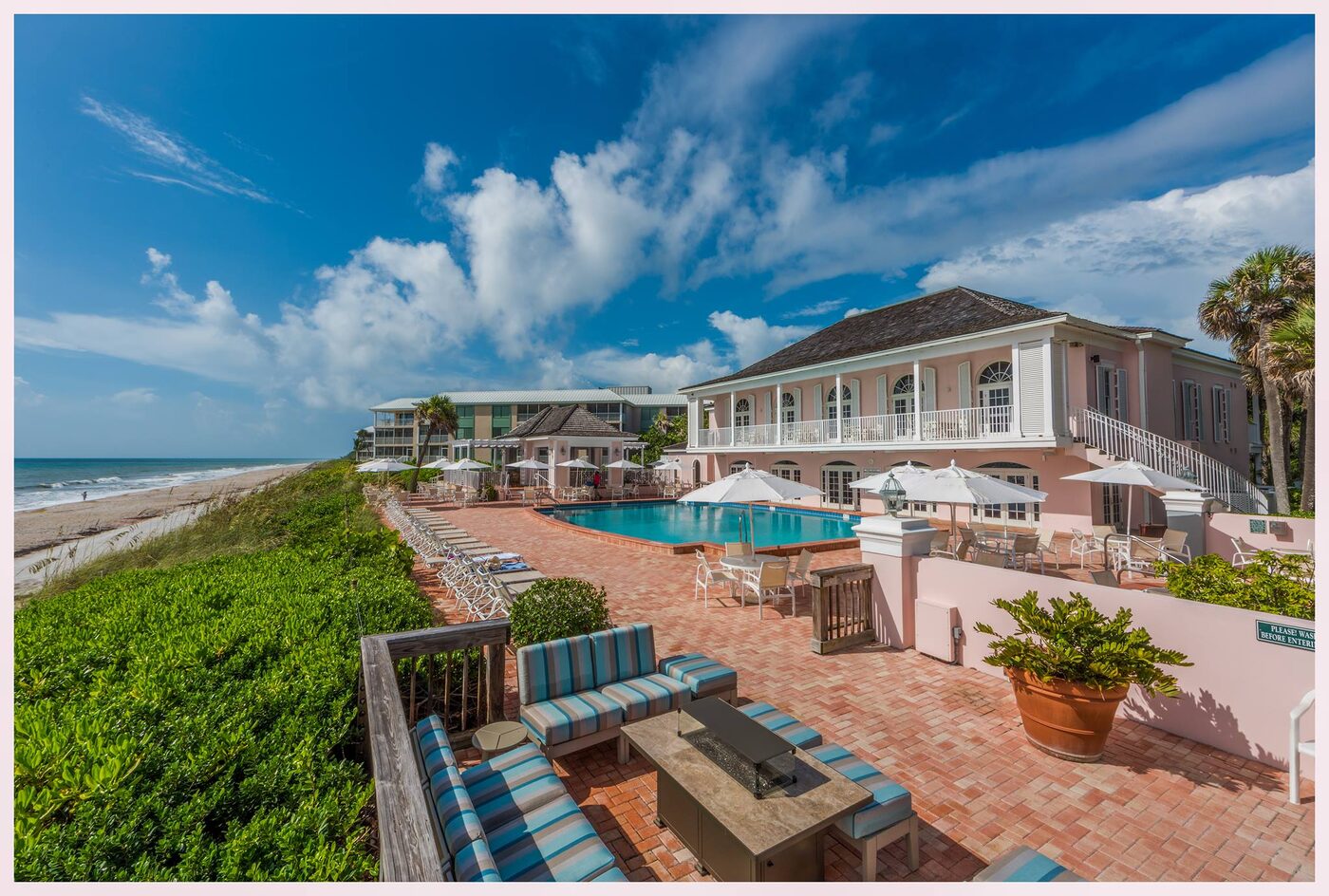
The strategy is most visible at the community level. Sea Oaks, the gated oceanfront enclave that wraps a private beach club around twenty-six acres of barrier-island frontage, now has a dedicated microsite at seaoakshomesverobeach.com — a single, authoritative source of pricing, inventory, and narrative depth that a search engine can rank and an AI assistant can read end to end. When a buyer in Greenwich or Winnetka asks an assistant about Sea Oaks, the goal is straightforward: the answer should originate here.
Credentials as evidence
The infrastructure means little without the record to anchor it. Co-founding principals Ben Bryk and J. Vance Brinkerhoff were named to Apple News' Top 10 Most Trusted Realtors in Florida for 2025, a distinction built on more than thirty-five years of combined service, over two thousand transactions, and more than $1.2 billion in career sales. The firm ranks within the top 1.5 percent of real estate professionals nationally by RealTrends, holds the Cleveland Clinic Preferred Physician Realtors designation — the only such appointment in Indian River County — and maintains membership in the International Luxury Alliance, with reach across sixty global markets.

The numbers behind the island
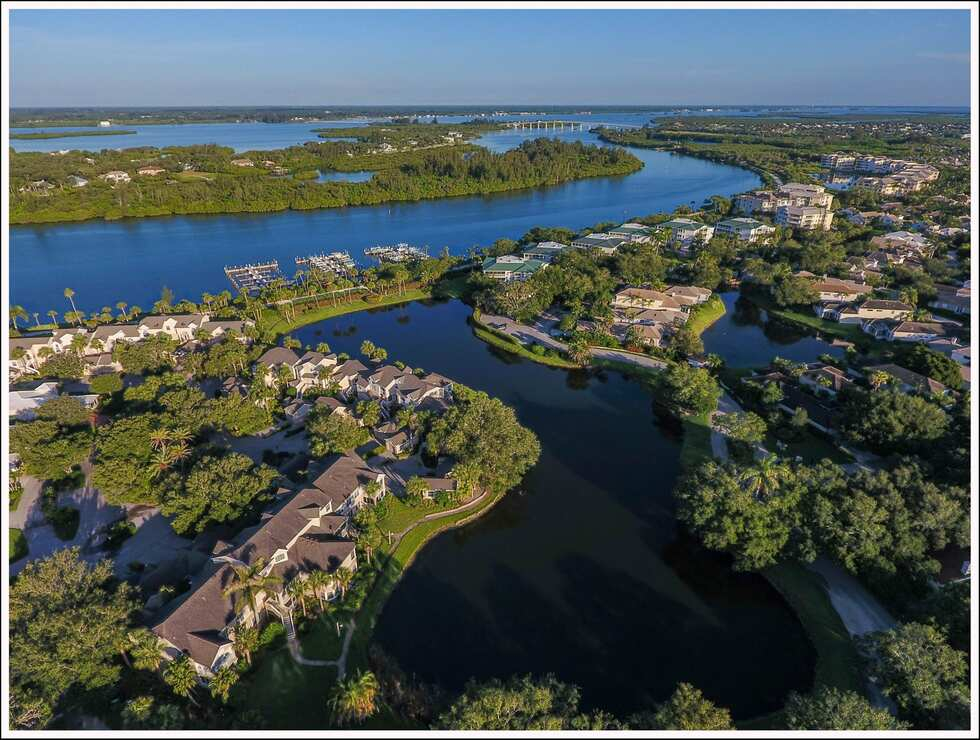
The case for the barrier island is, in the end, an arithmetic one. Indian River County records an all-cash transaction rate of 62.7 percent — the highest in the nation — a signal of a buyer base that does not depend on financing and does not flinch at rate cycles. Oceanfront luxury here is priced roughly sixty-six percent below comparable Naples waterfront. And the state's financial structure remains the quiet engine of relocation: no state income tax, a homestead property-tax burden held near one percent under the Save Our Homes assessment cap, and no state estate tax.
The shift now underway will reward the firms that prepared for it before it was visible. The buyer of 2027 will not browse. The buyer will ask. And the firms whose data is structured, whose record is documented, and whose technology is already in the buyer's hand will be the ones the machine recommends. On the Vero Beach barrier island, that work is finished. The door is open.