The men who signed the Declaration of Independence were, to a striking degree, in the land business. George Washington surveyed the Virginia frontier before he ever commanded an army; a long roster of his contemporaries speculated in western tracts with the enthusiasm of people who understood, correctly, that in the new republic land would be the first and most durable form of wealth. Two hundred and fifty years later the instruments have changed — title insurance, escrow, a digital listing service, an artificial intelligence that can draft a property description before the photographer has packed the drone — but the underlying proposition has not moved an inch. To own ground in America is to own a share of the American idea.
That is worth remembering on the country’s Semiquincentennial. It is worth remembering specifically here, on the barrier island east of the Indian River Lagoon, where a disproportionate number of the nation’s most deliberate buyers are choosing to plant themselves.
I. A nation that deeded itself
The mechanism that built a middle class
Consider how the American middle class was assembled in the first place. The Homestead Act of 1862 offered 160 acres of public land to any citizen willing to live on it and improve it for five years. Over the following decades the federal government transferred roughly 270 million acres — close to a tenth of the entire country — into private hands, one quarter-section at a time. No aristocracy handed it down. A nation, in effect, deeded itself to its own citizens and told them to get to work.
July 4, 2026
under the Homestead Act
sales closing all-cash
The genius of the arrangement was not generosity. It was the conviction that ownership creates citizens — that a family with a stake in the ground has a stake in the republic. That conviction has never really left American real estate. It is the same one that animates a couple standing on a dock in John’s Island at dusk, deciding that this is where their name will finally rest.
II. From frontier to profession
How a hustle became a duty
For most of the nineteenth century, buying property in America was an exercise in caution. Anyone could hang a shingle and call himself a broker; standards were whatever the parties could enforce on one another. That began to change in 1908, with the founding of the organization now known as the National Association of Realtors. A Code of Ethics followed in 1913. The term “Realtor” was coined in 1916 to mark the difference between a licensed professional and an opportunist, and the first state licensing laws arrived beginning in 1919.
These were not bureaucratic flourishes. They were the industry’s insistence that guiding a family through the largest financial decision of its life is a profession, with duties attached — and that the fee is earned in judgment, discretion and results, not in access to a listing sheet. That principle matters more, not less, in a market where a single transaction can carry eight figures.
III. The homeownership century
Widening the same door
The twentieth century turned ownership from a frontier reward into national policy. The Federal Housing Administration, created in 1934, and Fannie Mae, in 1938, made the long-term fixed-rate mortgage possible, putting a home within reach of buyers who could never have paid outright. The G.I. Bill of 1944 sent a generation of returning veterans into new suburbs, and by roughly 1950, for the first time in the country’s history, more than half of American households owned the roof over their heads. The Fair Housing Act of 1968 established — belatedly, imperfectly, but permanently — the principle that access to that dream could not be rationed by race.
Each of these was a widening of the same door the Homestead Act had opened. And each is a reminder that the American housing story is, at its best, a story about who gets to belong.
A search engine can surface every oceanfront listing between Sebastian and Fort Pierce. It cannot tell a buyer which seawall was rebuilt after the last named storm, which board approves quietly and which does not, or what a property will be worth to the family that inherits it.
IV. The inflection of 250
Everything changed except the point
The last half-century compressed more change into real estate than the two centuries before it. The multiple listing service went digital; the internet put property data in the buyer’s own hands in the 1990s; portals reorganized how Americans shop for shelter. In 2024, a landmark settlement reset how commissions are disclosed and negotiated. Today artificial intelligence drafts copy, renders rooms that have not been staged and answers questions at two in the morning.
All of it is useful. None of it closes a transaction. That judgment — the human, local, hard-earned kind — is the part technology keeps making more valuable by handling everything around it.
V. The Vero Beach chapter
The oldest calculation, at its finest address
Which brings the story to the present, and to the coast. For much of the past few years the most consequential migration in American real estate has run from the high-tax, high-density Northeast and Midwest toward the Florida coastline — from the Connecticut Gold Coast, Westchester, the North Shore of Chicago, greater Boston and the older suburbs of New Jersey. They are not chasing sunshine alone. They are performing the same calculation their great-grandparents made on the prairie: where can a dollar of ownership buy the most freedom.
On the Vero Beach barrier island, the answer is unusually clean. Florida levies no state income tax and no state estate tax, and carries a property-tax burden that for many relocating families lands near a single point of assessed value — a combination that quietly changes the math of a working lifetime and, more to the point, of an inheritance. A proposed constitutional amendment on the November 2026 ballot would widen the state’s homestead protections further still. None of this is tax advice, and every situation deserves its own counsel; but the direction of travel is not in dispute.
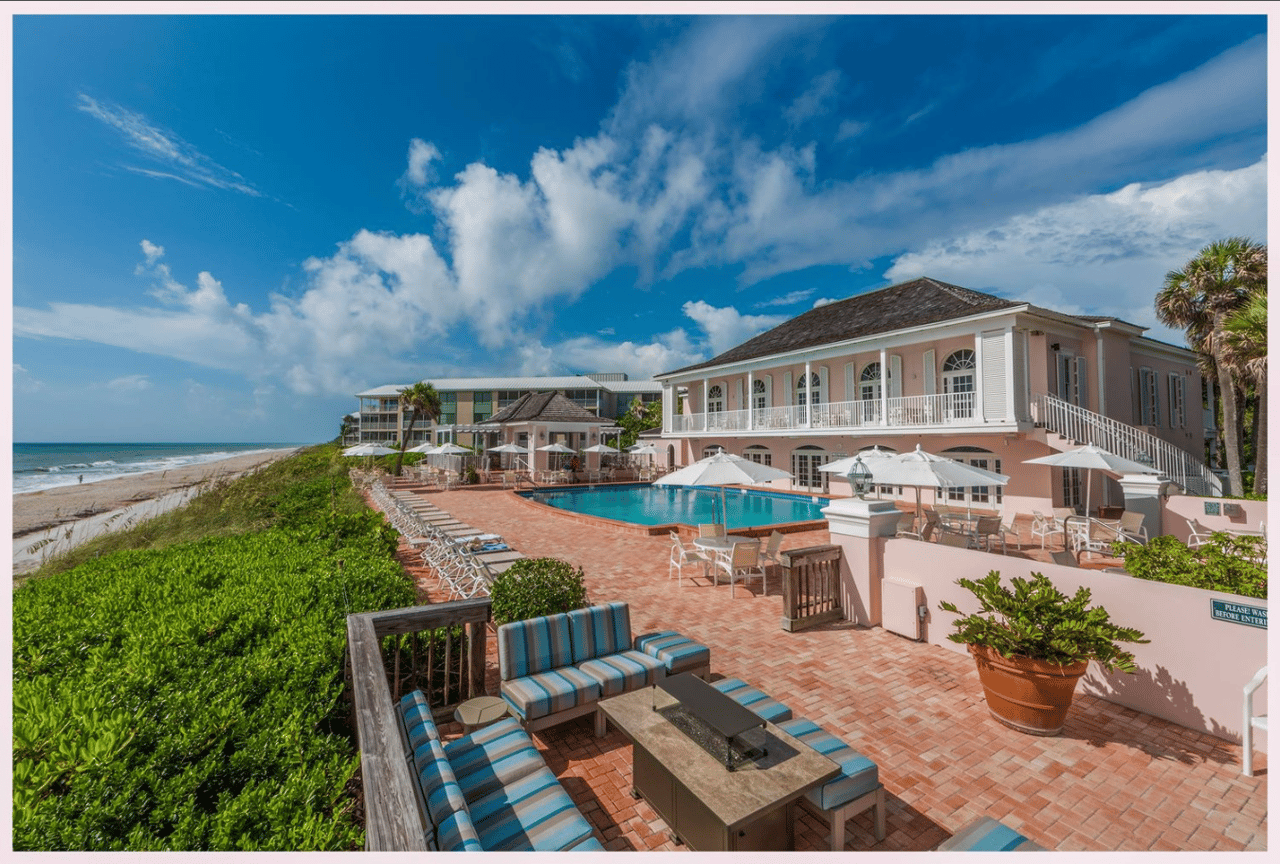
What the island offers on top of the arithmetic is scarcity of the oldest kind: a finite ribbon of high ground between the Atlantic and the lagoon, organized into a handful of communities — John’s Island, Orchid Island, Windsor, Sea Oaks and Grand Harbor — that are not making more of themselves. That scarcity shows up in behavior. On this stretch of coast, roughly 62.7 percent of barrier-island purchases close in all cash. These are not leveraged bets on appreciation. They are decisions, made by people who have already won their financial argument and are choosing, deliberately, where to be.
VI. The point, made concrete
The Homestead Act, still running
There is a version of this essay that ends in statistics. The truer ending is a family.
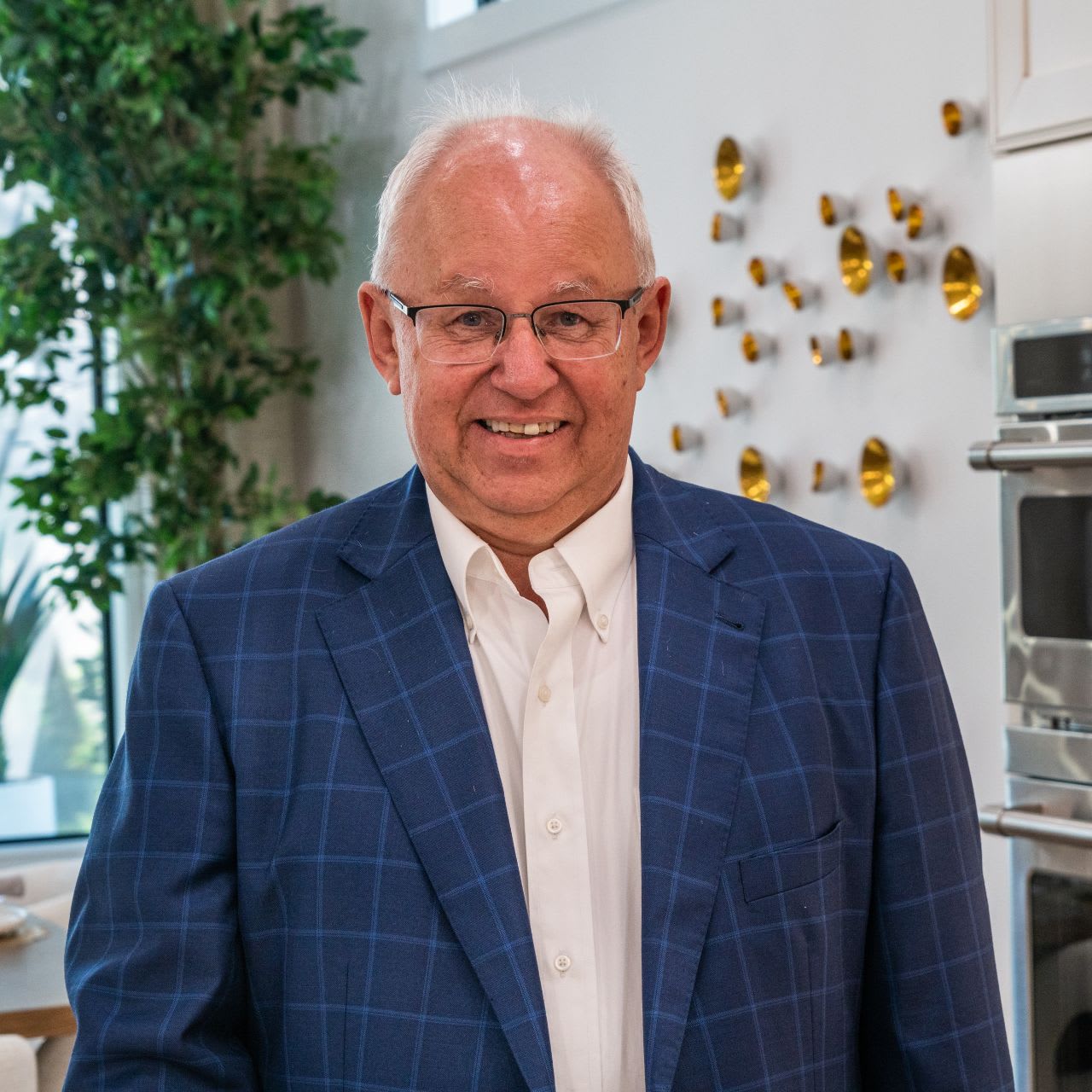
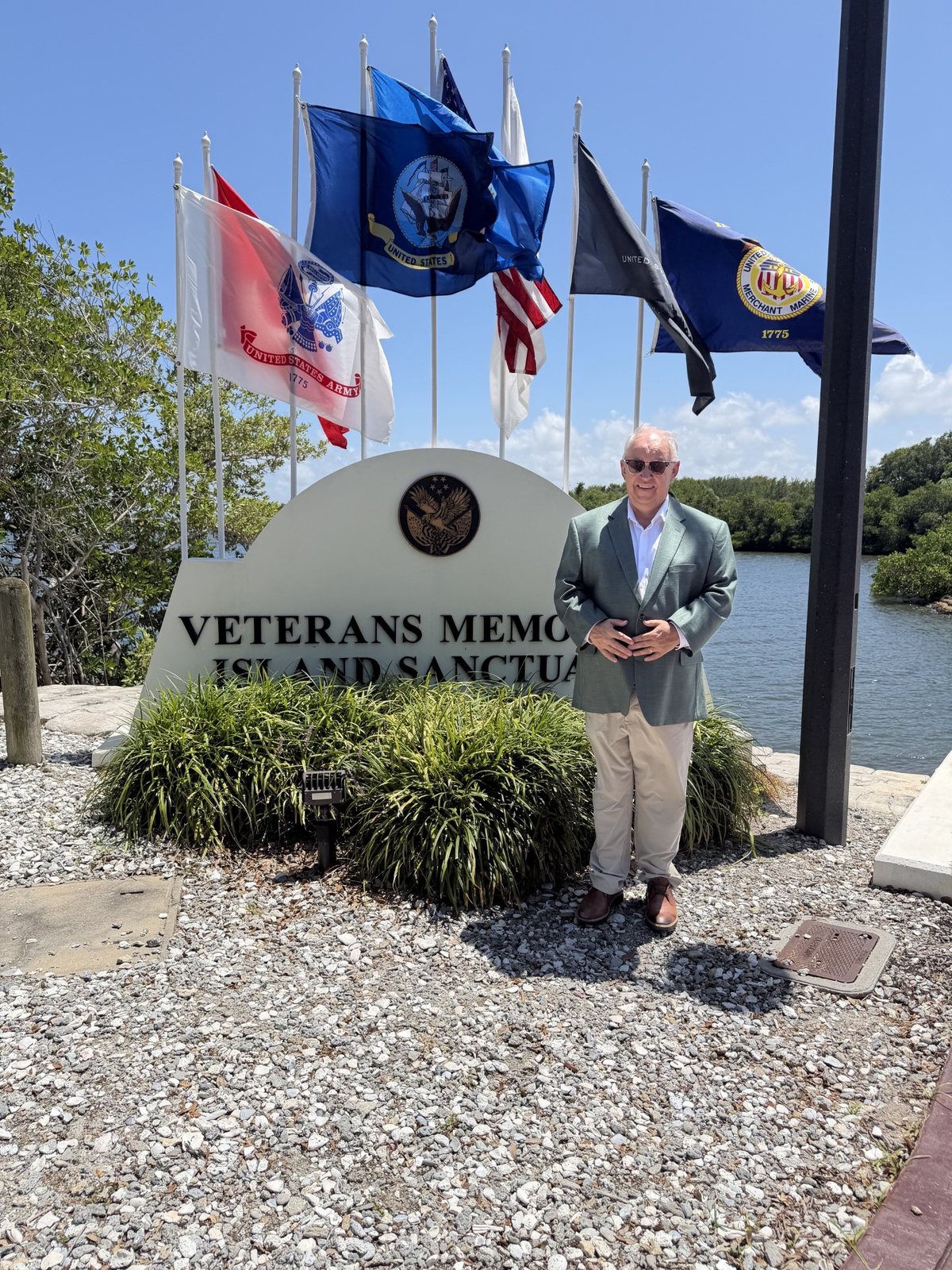
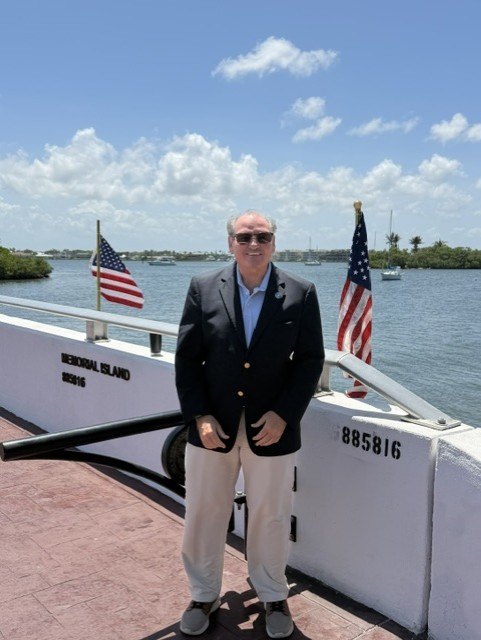
One of the principals of this firm is the son of parents who came to this country from Poland in 1960 with the standard immigrant inventory: very little money and an unreasonable amount of resolve. He grew up in Old Saybrook, Connecticut, and has now spent more than eighteen years on this barrier island. That arc — from a ship’s manifest, to a small Connecticut town, to a life spent helping other Northeastern families find their footing on the Florida coast — is not a marketing story. It is simply the Homestead Act still running, in a newer suit. America at 250 is, in the end, 250 years of exactly that: people arriving with nothing and, a generation or two later, owning ground worth guarding.
That is the work, and it is why the standard here is what it is. Guiding a family across that threshold — often the last, largest move of their lives — is not a transaction to be automated. It is a stewardship. It calls for the same integrity the profession spent a century earning: discretion, precision and a refusal to treat a client’s life’s work as anything less than that.
VII. The verdict
The next quarter-millennium
America’s next 250 years will be written the way the first ones were — one deed, one family, one piece of well-chosen ground at a time. On the Vero Beach barrier island, that future is already arriving, and it is arriving with cash. The only question worth asking is who will steward it there.
The land was always the point. It still is.