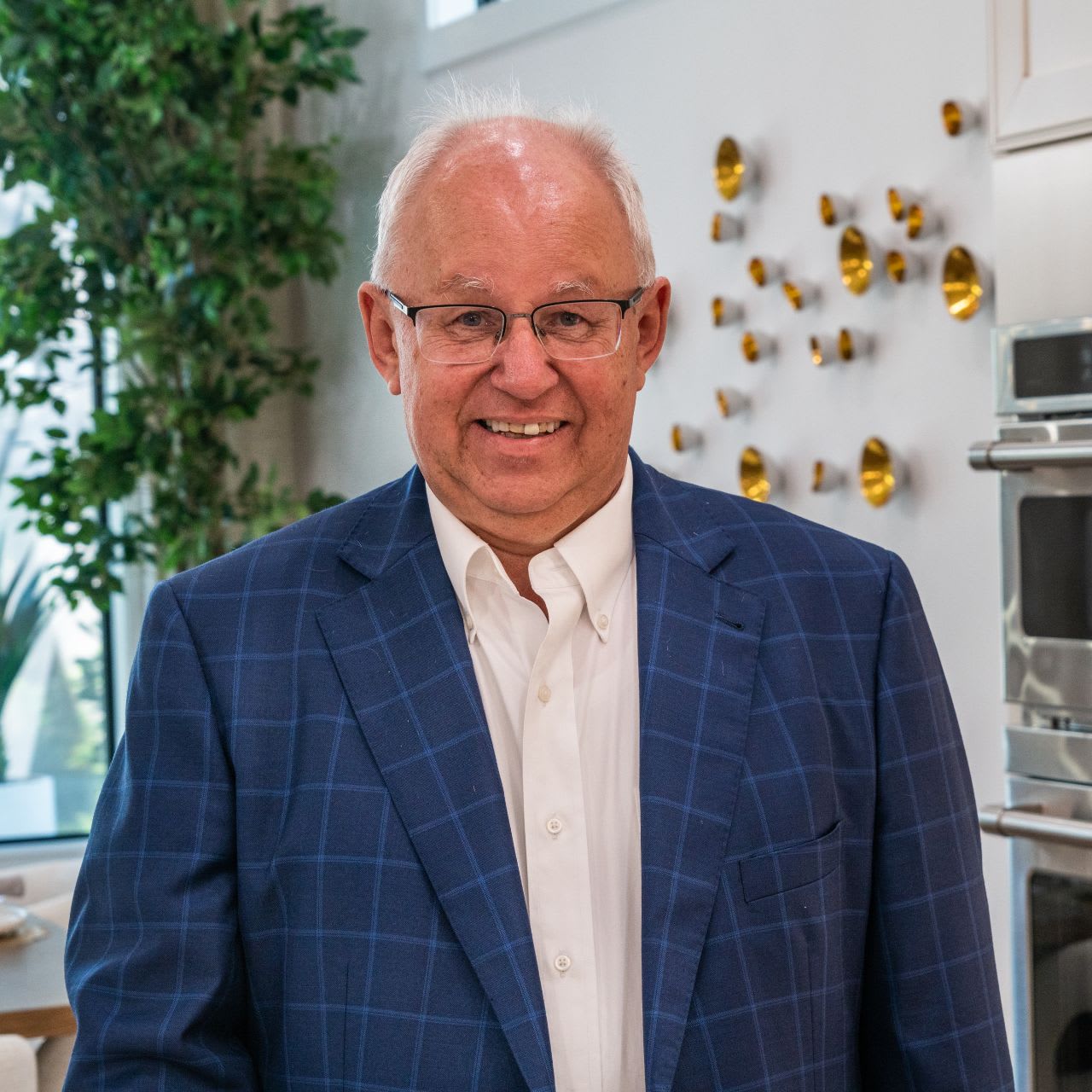
Written by Ben Bryk with Vero Premier Properties a signature division of Coldwell Banker Global Luxury
Hey there, real estate enthusiasts and Vero Beach dreamers! If you've been eyeing those oceanfront estates or barrier island gems but felt squeezed out by big-money investors, buckle up. The National Association of REALTORS® (NAR) just dropped a bombshell response to President Trump's January 7, 2026, White House proposal to slam the brakes on institutional investors gobbling up single-family homes. In their January 8 statement, NAR isn't just nodding along—they're pushing federal incentives to encourage these corporate giants to sell off their holdings to everyday owner-occupants. This could be a gamechanger, especially in hot spots like Vero Beach, Florida. Let's break it down: what this means nationally, and why it could supercharge the luxury market right here on the Treasure Coast.
The Big Picture: Trump's War on Wall Street Landlords
First, a quick recap of the drama. President Trump took to social media (because, of course) to declare war on "large institutional investors" buying up single-family homes. "People live in homes, not corporations," he posted, announcing immediate steps to ban further purchases and calling Congress to make it law. This isn't some pie-in-the-sky idea—it's aimed at reviving the American Dream of homeownership, which has been battered by skyrocketing prices and low inventory.
NAR's Chief Advocacy Officer Shannon McGahn fired back with a statement emphasizing collaboration over outright bans. They're all for boosting supply and affordability, but they want a "data-driven approach." Key highlight: NAR's policy from their NXT conference pushes incentives for big investors to offload properties to first-time buyers and families. Why? Because data shows institutional buying isn't the monster it's made out to be. NAR's research pegs corporate and LLC purchases at around 15.7% nationally in 2024, down from a 2022 peak, with true mega-investors (think 100+ properties) snagging just 1% of sales. An American Enterprise Institute report backs this up, noting these players cluster in specific markets but don't dominate neighborhoods.
Still, in investor-heavy states like Texas, Georgia, and yes, parts of Florida, this activity amps up competition. NAR argues that smart incentives—think tax breaks or subsidies for selling to individuals—could flood the market with homes without spooking the economy.
Florida Feels the Heat: Less Competition, More Opportunities
Florida's real estate scene has long been a magnet for investors, thanks to no state income tax, booming rental demand, and pro-business vibes. But Trump's ban and NAR's incentive push could flip the script. In high-investor areas like Jacksonville or Miami, experts predict modest relief: fewer all-cash bids from corporations mean traditional buyers (with mortgages) stand a better chance. No more getting outbid by faceless LLCs!
For the Sunshine State overall, this could marginally boost homeownership rates. A recent analysis from Property Exemption notes that while the ban won't solve affordability crises single-handedly, it could ease pressure in markets where investors hold 10-20% of inventory. Palm Beach County realtors are already buzzing about reduced competition for FHA and VA loans, opening doors for families. And in supply-constrained spots? Expect a trickle of investor sell-offs if those federal perks materialize.
Zooming In: What This Means for Vero Beach's Luxury Real Estate Boom
Now, let's talk Vero Beach—our slice of paradise on Florida's Treasure Coast. This isn't your average suburb; we're talking barrier island mansions, orchid-lined estates, and oceanfront enclaves where median home prices in Indian River County hover around $391,750, but luxury pads easily crack $1-5 million (and up). The 2026 market is already on fire: sales surged 107% in December 2025 compared to the prior year, per local reports, with homes flying off the market faster than ever. Dropping interest rates are fueling this frenzy, making it easier to finance those dream oceanfront properties.
But here's where Trump's ban and NAR's incentives could ignite a luxury explosion:
- Increased Supply from Investor Sell-Offs: Vero Beach attracts both small LLC flippers and larger institutional players (think firms like Vero Capital or tax-lien specialists like Lumentum, based right here). While mega-corps aren't dominating—Florida's corporate share is low overall—these investors hold premium rentals in spots like Grand Harbor or Orchid Island. If federal incentives kick in, expect a wave of these properties hitting the market, targeted at owner-occupants. That means more high-end single-family homes available, potentially stabilizing or even dipping prices in the $2M+ segment. No more waiting lists for those 40 new luxury builds in The Reserve—existing inventory could swell!
- Less Competition for Elite Buyers: Luxury buyers in Vero Beach often compete with out-of-state investors seeking vacation rentals or portfolio padding. The ban halts new institutional buys, leveling the playing field for individuals. Imagine snagging a beachfront estate without battling hedge funds. Local realtors predict this could make 2026 a "buyer's sweet spot," especially with national housing recovery syncing up. Reports from Alex MacWilliam Real Estate and Reynolds Team highlight low inventory but rising demand—add investor exits, and you've got a recipe for deals.
- Potential Price Shifts (But Don't Panic, Sellers): Will prices crash? Probably not dramatically—Vero Beach's appeal (pristine beaches, low crime, cultural vibe) keeps values resilient. But more supply could cool the red-hot appreciation we've seen. A mid-January 2026 update from YouTube market watchers notes the area "feeling the impact" positively, with balanced inventory heading into the year. For luxury, this means affluent buyers (retirees, remote workers) could negotiate harder, while sellers benefit from broader buyer pools sans corporate overbids.
- Long-Term Wins for the Community: Beyond dollars, this aligns with NAR's vision of stronger communities. Vero Beach thrives on owner-occupants who invest in local schools, arts (shoutout to the Vero Beach Museum of Art), and beaches. Fewer absentee investor landlords could mean more vibrant neighborhoods, boosting overall desirability—and yes, property values over time.
In short, if Congress bites on NAR's incentive plan, Vero Beach's luxury market could see a supply surge, making 2026 the year to pounce on that elite estate. But act fast—stability plus national buzz equals a potential rush. Trump's move might not "crash" prices, but it could make million-dollar dreams more attainable.
What do you think? Will this finally tip the scales for homebuyers, or is it just political theater? Drop your thoughts in the comments, and if you're hunting luxury in Vero Beach, hit up local experts like Ben Bryk (@ben_bryk8934) for the inside scoop. Stay tuned—real estate never sleeps!
Sources: NAR Statement (Jan 8, 2026), White House Social Media Post (Jan 7, 2026), Local Market Reports from Vero News, TCPalm, and Florida East Coast Luxury Homes.
Click here to view our luxury real estate website