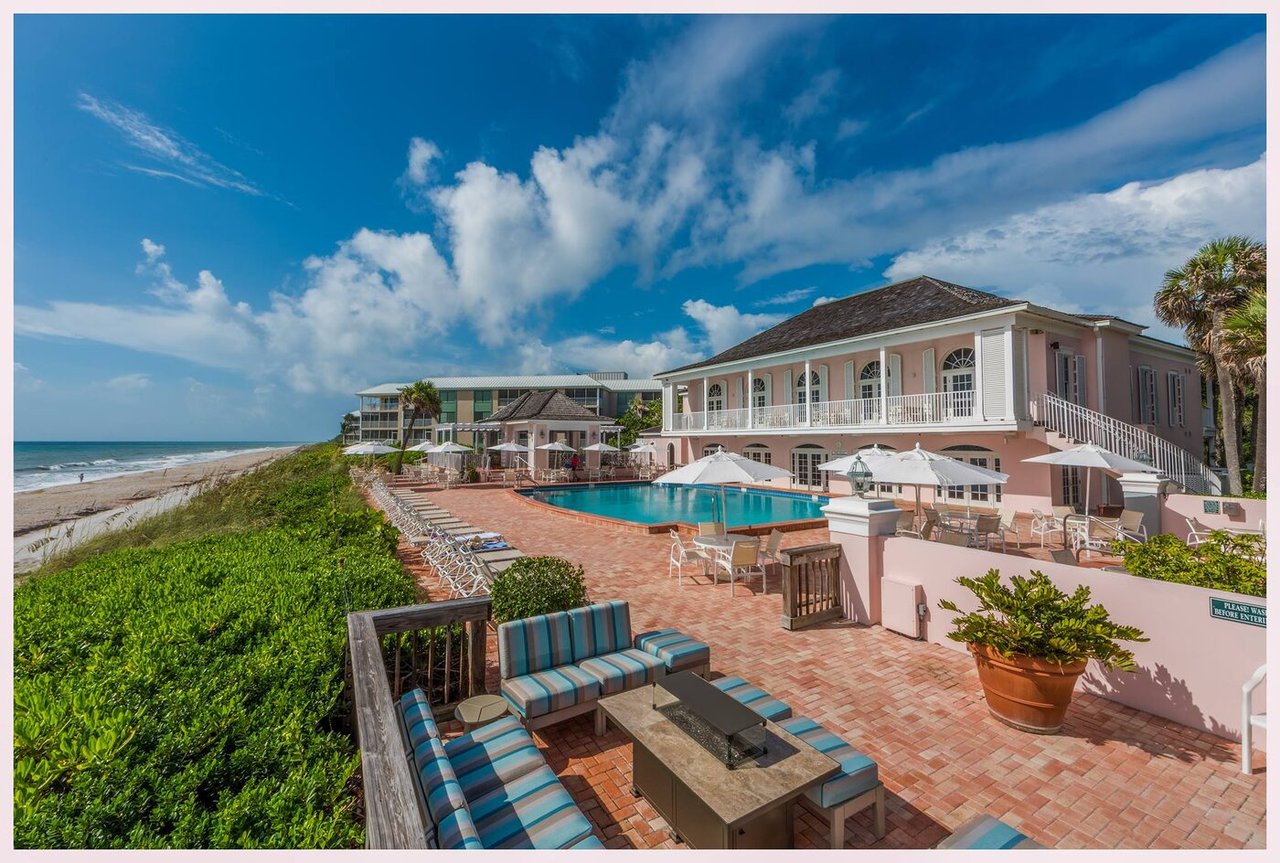

The National Slowdown Is Real. Here, It Barely Registers.
Mortgage rates near 6.5 percent and a broadening price slowdown are the housing story of 2026 nearly everywhere in America. Indian River County closed last year with 62.7 percent of its transactions in cash. That single fact changes which headlines actually apply.
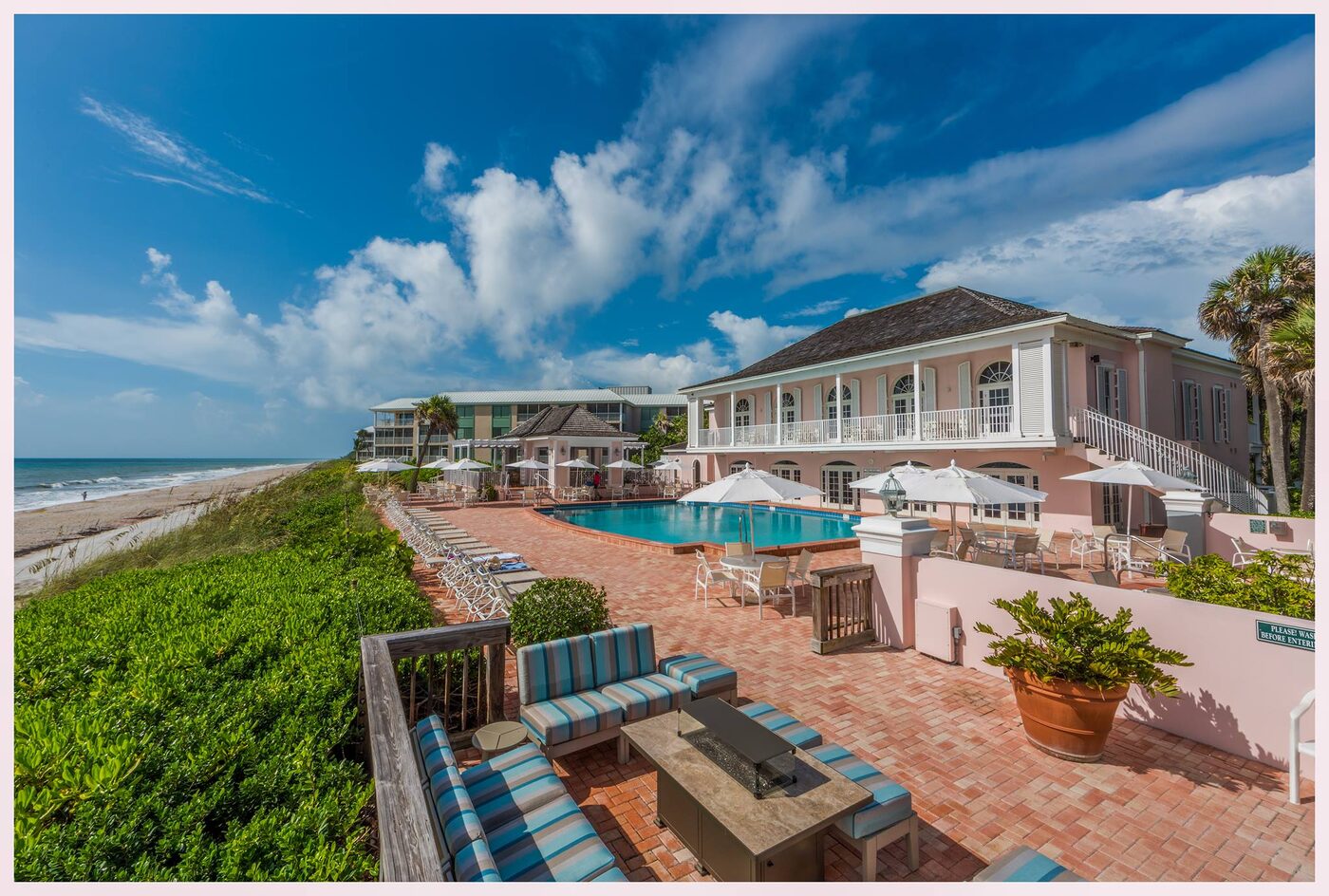
Open any national housing report this summer and the story repeats with minor variation. The thirty-year fixed mortgage rate is sitting near six and a half percent, up from a 2026 low closer to six, pushed there by inflation that ran hotter than expected this spring. The Federal Reserve held its benchmark rate steady in June, with a tone several officials described as leaning toward another increase rather than a cut. National home-price growth has slowed to its weakest pace in over a decade, and more than half of the twenty major metro areas tracked by the S&P Cotality Case-Shiller index posted year-over-year price declines. Builder confidence remains subdued. Existing-home sales are running modestly higher than a year ago but well below where strong employment numbers would predict, a gap the National Association of Realtors' own chief economist has called out directly.
That is, by any reasonable reading, a real slowdown, driven by a real mechanism: a meaningful share of American buyers need a mortgage, and the cost of that mortgage has been rising. Rate-sensitive demand is precisely what national housing coverage measures, because rate-sensitive demand is what most of the country's buyers represent.
It is also a mechanism that, in Indian River County, applies to a minority of transactions.
The number that changes the analysis
Indian River County closed 2025 with an all-cash transaction rate of 62.7 percent, according to local market tracking—by that measure, the highest rate of any county in the nation, and more than double the roughly 29 percent recorded nationally over the same period. Put plainly: for every ten homes that changed hands here last year, slightly more than six involved no mortgage, no lender, no rate lock, and no underwriting timeline at all.
All-Cash Rate, 2025
Rate, Same Period
Late June 2026
This is not a marginal statistical curiosity. It is a structural difference in who the buyer is and what they are doing. A national rate-sensitive market is, definitionally, a market where a large share of buyers are calculating monthly payments down to the dollar, where a quarter-point move can price someone out of a home entirely, and where rising rates translate directly into fewer transactions. A cash-dominant market runs on a different clock. The buyers here are largely not calculating a payment at all. They are calculating whether the property is right.
The national housing story in 2026 is a story about the cost of borrowing money. In a market where most buyers are not borrowing money, that story has nothing left to say.
Why this is structural, not seasonal
The temptation is to read a high cash rate as a temporary artifact of high rates—buyers paying cash to avoid an expensive mortgage, a behavior that should reverse once rates ease. That dynamic is real in parts of the country, and national data bears it out: cash share nationally has actually been declining gradually from its 2023 peak as rates have come down from their highest points. But Indian River County's cash rate is not a temporary workaround for an inconvenient rate environment. It reflects who is buying here in the first place.
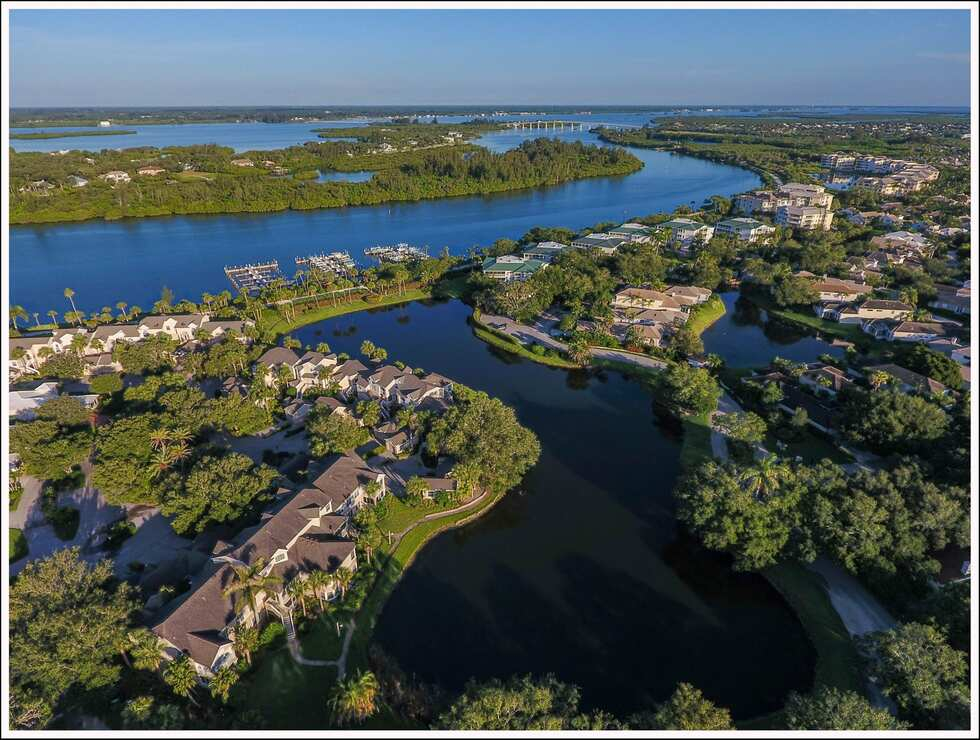
The barrier island and its surrounding communities draw a buyer profile built on liquidity rather than leverage: retirees and near-retirees relocating with the proceeds of a prior home sale, executives and business owners moving wealth rather than borrowing against future income, and second-home buyers for whom a mortgage was never the plan regardless of where rates sat. That buyer does not disappear when rates fall, and was largely unmoved when rates rose. The cash rate here is closer to a description of the market's population than a reaction to this year's monetary policy.
What this means if you are buying
The first thing to understand is what you are not competing against. Nationally, rising rates have been gradually rebalancing housing toward buyers, with inventory climbing and sellers facing more negotiating pressure as financed demand thins out. That rebalancing is a genuine, well-documented trend—and it largely does not apply to the segment of this market you are actually competing in. Your competition here is overwhelmingly other cash buyers: equally liquid, equally unbothered by this week's Freddie Mac survey, and equally capable of closing in weeks rather than the forty-five-plus days a financed transaction typically requires.
That changes the calculus of speed and certainty. A clean cash offer with a short closing window carries real weight with a seller in this market, not as a courtesy but as a genuine point of leverage, because the seller has almost certainly fielded other cash offers before and knows precisely how much risk a financed buyer would introduce by comparison.
What this means if you are selling
Insulation from rate sensitivity is not the same thing as insulation from pricing discipline, and it would be a mistake to treat the two as interchangeable. Cash buyers in this market are, almost without exception, experienced and financially sophisticated. They have typically already owned several homes, sold at least one recently, and have a sharp internal sense of what a property is actually worth. An overpriced listing does not sell more slowly here because buyers cannot afford it. It sells more slowly because the buyer pool recognizes the number is wrong and waits you out.
What cash insulation does provide is a more reliable transaction once you are under contract. Financed deals carry the structural risk of a rate lock expiring, an appraisal falling short, or financing collapsing in the final weeks before closing. Cash transactions largely remove that risk from the table. For a seller, that translates into fewer surprises between contract and closing—not a license to set the price without regard to the market.
Reading the headlines correctly
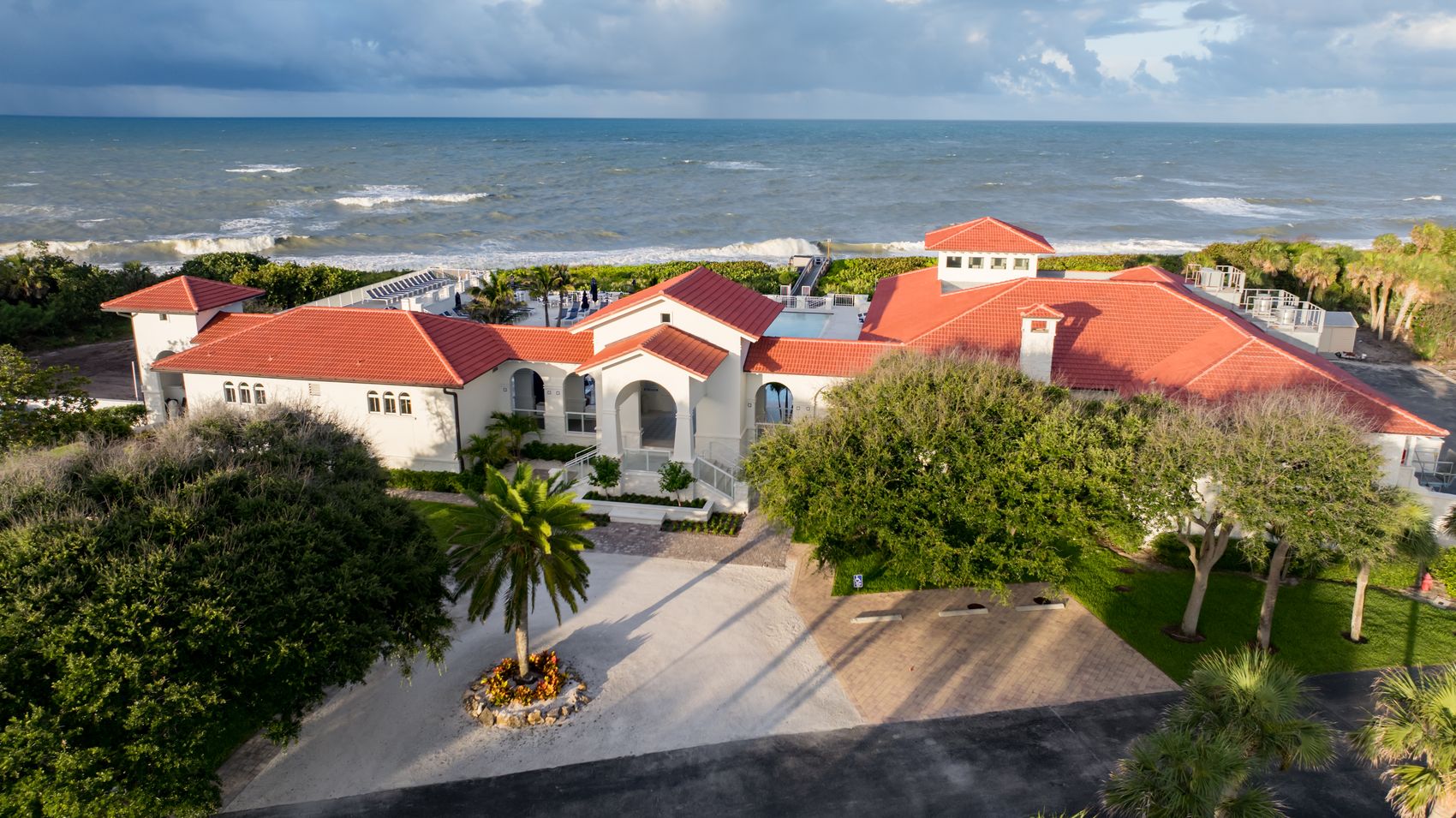
None of this means national housing conditions are irrelevant to Indian River County. Construction costs, insurance markets, and broader economic sentiment all touch this market the way they touch every market. What changes is the specific transmission mechanism that dominates national coverage—the link between the Federal Reserve's rate decisions and a household's ability to qualify for a mortgage. That link governs roughly seven in ten transactions nationally. It governs roughly four in ten here, and a meaningfully smaller share than that in the luxury and barrier island segments specifically, where cash concentration runs higher still.
The discipline this requires of a buyer or seller is straightforward, even if it runs against instinct: read the national headline for what it accurately describes, which is the financed half of the American housing market, and then ask, separately and explicitly, whether that mechanism describes the transaction in front of you. In Indian River County, for a clear majority of transactions, it does not.




Move at the market's actual speed
Our proprietary app—the only luxury real estate app within roughly 100 miles of Vero Beach—delivers real-time listings and a direct line to the team, built for buyers who close in weeks, not months.
The bottom line
A national mortgage-rate headline is accurate reporting on a national mortgage-rate-driven market. Indian River County, with nearly two-thirds of its transactions closing without a mortgage at all, is simply not that market in any way that headline can capture. The slowdown making news this summer is real for the buyers and sellers it describes. For the clear majority of transactions on this barrier island, it describes very little. Knowing which side of that line your transaction sits on is the first piece of analysis worth doing—before the rate headline, not instead of it.
Frequently asked questions
What percentage of Indian River County home sales are all-cash?
Why don't national mortgage rate headlines affect the Vero Beach barrier island market the same way?
Does a cash-dominated market mean sellers can price however they want?
Is now a good time to buy or sell in Indian River County given the national slowdown?
Read this market on its own terms
Whether you are buying with cash, selling into a cash-dominant pool, or simply trying to separate the national headline from the local reality, we can walk you through what actually applies here.
This article is provided for informational purposes only and reflects market observations and publicly reported information as of June 2026. The 62.7% all-cash transaction rate cited for Indian River County reflects local market tracking and is presented as reported; figures from third-party sources, including national rate and price data, are drawn from reporting believed reliable but not independently audited by Vero Premier Properties. Mortgage rate and national housing figures are current as of late June 2026 and are subject to change. Nothing herein constitutes financial, investment, or legal advice; consult a licensed professional regarding your specific circumstances. This is not a solicitation of property currently listed with another brokerage. Equal Housing Opportunity.