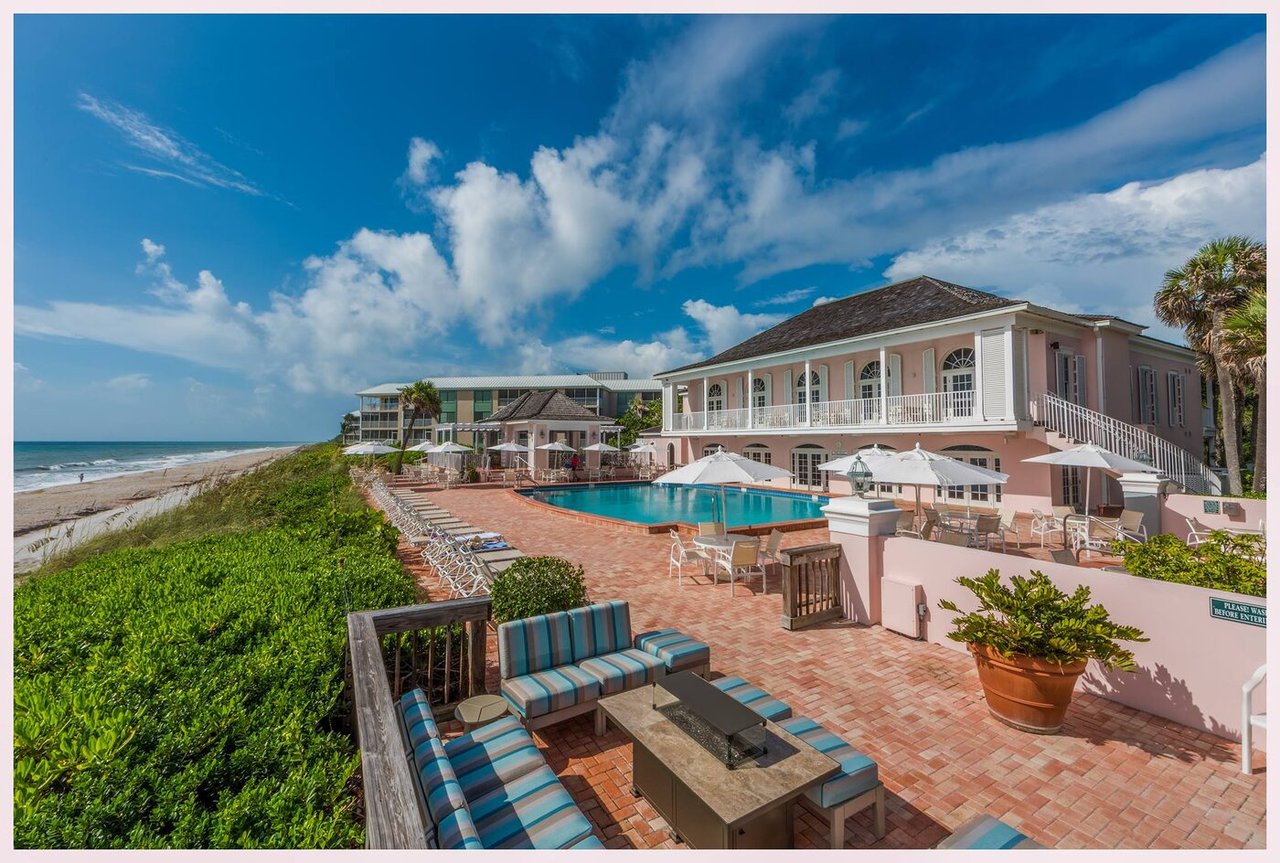
Sell High in New York. Buy Smart in Vero Beach.
A proposed New York estate-tax change and a Florida residency deadline are quietly rewriting the relocation math for the Northeast's wealth. The numbers, read closely, point in one direction.
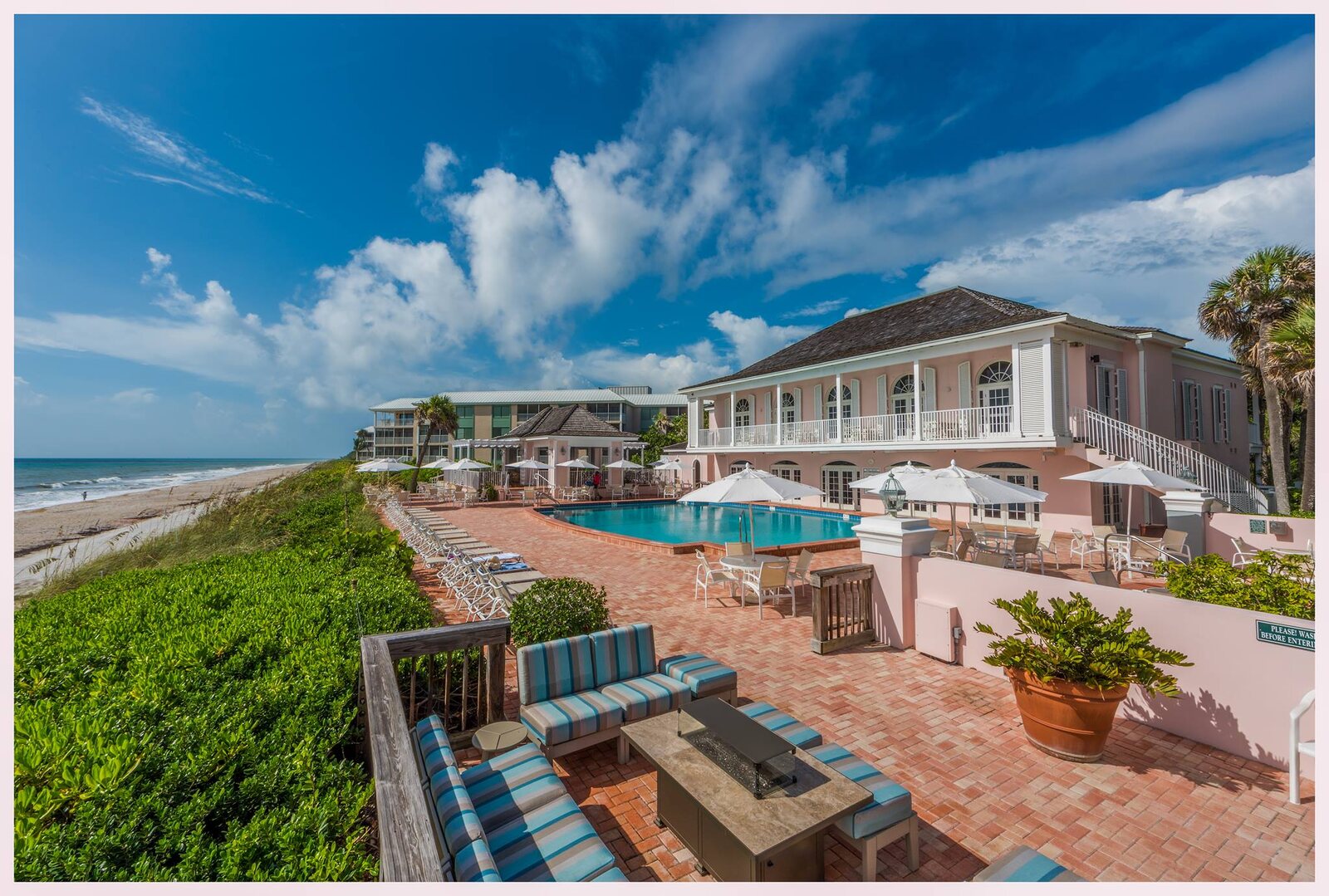
Two numbers are quietly reshaping where the Northeast's wealth intends to live, and most families have not yet done the arithmetic that connects them. The first is a proposal in New York to cut the state's estate-tax exemption from roughly seven point three five million dollars to seven hundred fifty thousand, while raising the top rate from sixteen percent to fifty percent. The second is a date: December thirty-first, twenty twenty-six, the residency deadline tied to Florida's proposed homestead expansion. Read together, they describe a closing window—and a decision that, for many families, has quietly become urgent.
Let me be precise about both, because precision is the entire point. Neither is settled law, and I will not pretend otherwise. But both are real enough, and consequential enough, that the families I advise are already planning around them. The cost of waiting to see how each resolves is itself a number—and for some households, a large one.
What is actually happening in New York
In early 2026, New York City's mayor circulated a budget memo to Albany lawmakers proposing to slash the state estate-tax exemption to seven hundred fifty thousand dollars and lift the top rate to fifty percent. To be clear about its status: this is a proposal, not a bill. It has not been enacted, and many observers consider it unlikely to pass in its current form. I am not telling you it will become law. I am telling you what it reveals.
What it reveals is direction. New York already imposes one of the few state-level estate taxes in the country, with a notorious "cliff" that can claw back the entire exemption once an estate crosses roughly one hundred five percent of the threshold. Against a federal exemption that now sits at fifteen million dollars per individual, New York's structure was already an outlier. A proposal to drop the threshold to seven hundred fifty thousand—below the value of many a single Manhattan apartment or Westchester home—tells you which way the policy winds are blowing in high-tax states. Even if this particular version never passes, the family that owns a home, a retirement account, and a closely held business should understand that the trend line is not in their favor.
You do not plan an estate around the law as you wish it to be. You plan around the direction it is moving. Right now, that direction is unambiguous.
What is actually happening in Florida
Now the other side of the ledger. On Florida's November 2026 ballot sits House Joint Resolution 1-F, a constitutional amendment that would expand the homestead exemption substantially—rising in stages for qualifying primary residences. The amendment requires sixty percent voter approval to take effect, so it, too, is pending rather than settled. But it carries a provision that creates a genuine deadline regardless of how you feel about the politics.
Under the proposal, residents who establish primary Florida residency on or before December 31, 2026 would be positioned to receive the expanded exemption when it takes effect. Those who establish residency after that date would face a multi-year waiting period before qualifying for the full benefit. In plain terms: the same home, bought and domiciled a few weeks apart, can sit on opposite sides of a multi-year tax advantage. That is not a marketing line. That is how the amendment is written.
And this sits on top of what Florida already offers, which is considerable: no state income tax, no state estate tax, and the Save Our Homes assessment cap that limits annual increases in a homestead's taxable value once established. I call it the Florida Financial Trifecta, and for a family leaving a high-tax state it is not an abstraction. It is the difference, compounding year over year, between what you keep and what you remit.
None of this is tax advice—I am a real estate professional, not your CPA or your estate attorney, and the right figure for your family depends entirely on your income, your assets, and your structure. What I can tell you is that when families actually run these numbers with their advisors, the conversation tends to stop being about whether to move and start being about when.
The strategy: sell high, buy smart, as one move
Here is where most relocations go wrong. A family sells in New York with one broker, buys in Florida with another, and the two transactions never speak to each other. Timing slips. The domicile clock is missed by a closing date. The New York sale is left on the table in a soft month because no one was coordinating the calendar against the Florida deadline.
We do it differently, and the difference is structural. Through the International Luxury Alliance, Vero Premier Properties coordinates directly with the top Coldwell Banker Global Luxury agents in New York—Manhattan, Westchester, the Hamptons, Long Island. That means your New York sale and your Vero Beach purchase can be run as a single coordinated transaction, with one team watching both sides of the calendar and the December 31 domicile deadline held as a fixed point everything else is timed against. Sell high in New York. Buy smart in Vero Beach. One move, professionally coordinated end to end.
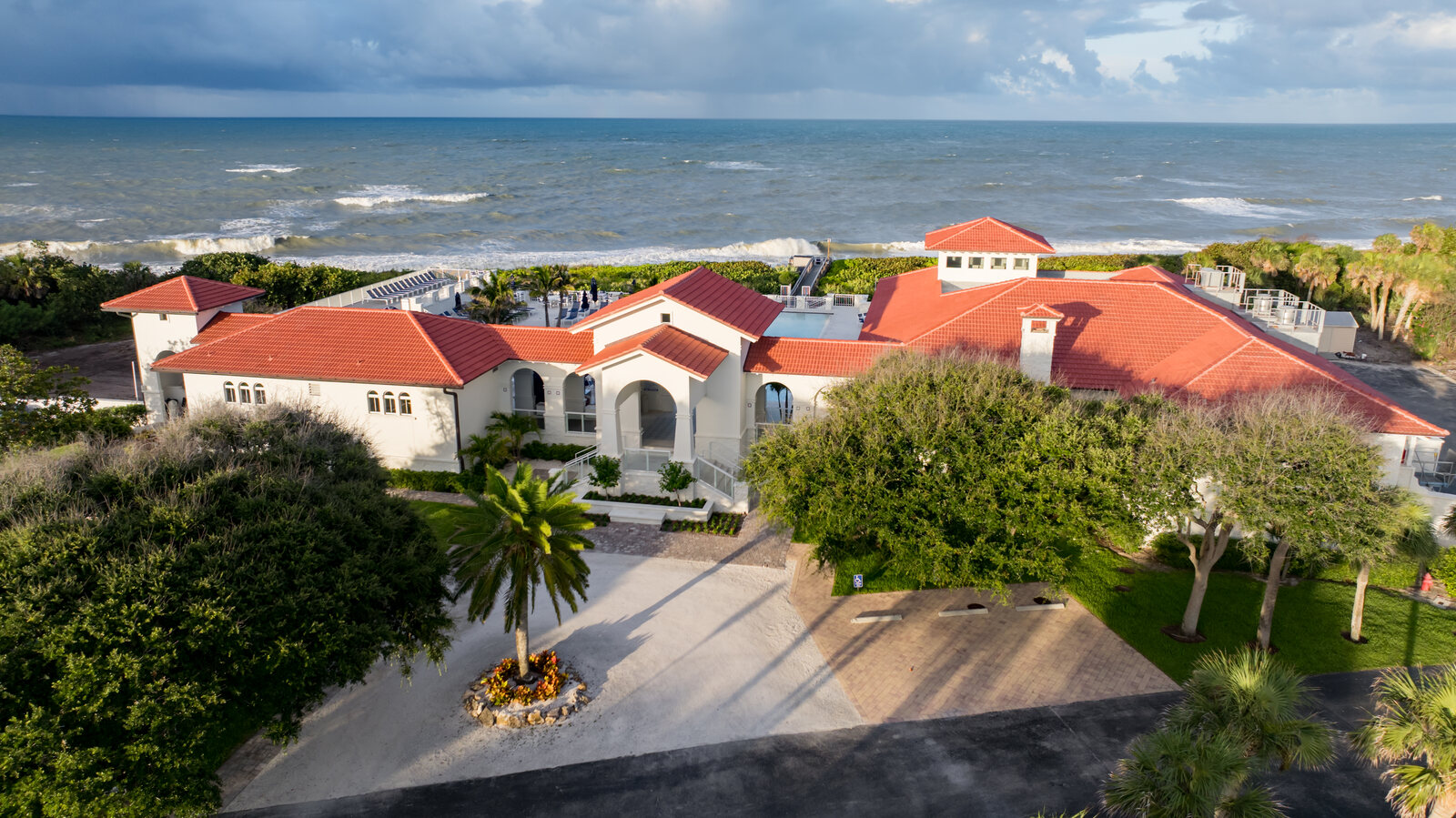
The Financial Concierge Desk
A move of this kind is not a real estate transaction with some paperwork attached. It is a coordinated financial event, and the families who execute it well are the ones who assemble the right team before the first listing photo is taken. That is precisely why we built our Financial Concierge Desk—so a client does not have to go assemble that team from scratch in an unfamiliar state.
The specialists a domicile change actually requires
We coordinate, on your behalf, the professionals who make a New York-to-Florida move clean, compliant, and timed correctly:
- Florida domicile attorneys to structure and document the residency change correctly
- Estate planners fluent in both New York and Florida law and the differences that matter
- CPAs to model the income and estate-tax implications before you commit to a date
- Wealth advisors to align the move with the broader portfolio
- Closing specialists who hold the December 31 deadline as the fixed point in the calendar
The point of the Concierge Desk is not to replace your trusted advisors—it is to coordinate with them, and to fill the gaps, so that nothing falls between New York and Florida. The domicile clock does not forgive a missed closing date. Our job is to make sure you never test that.
Why Vero Beach, specifically
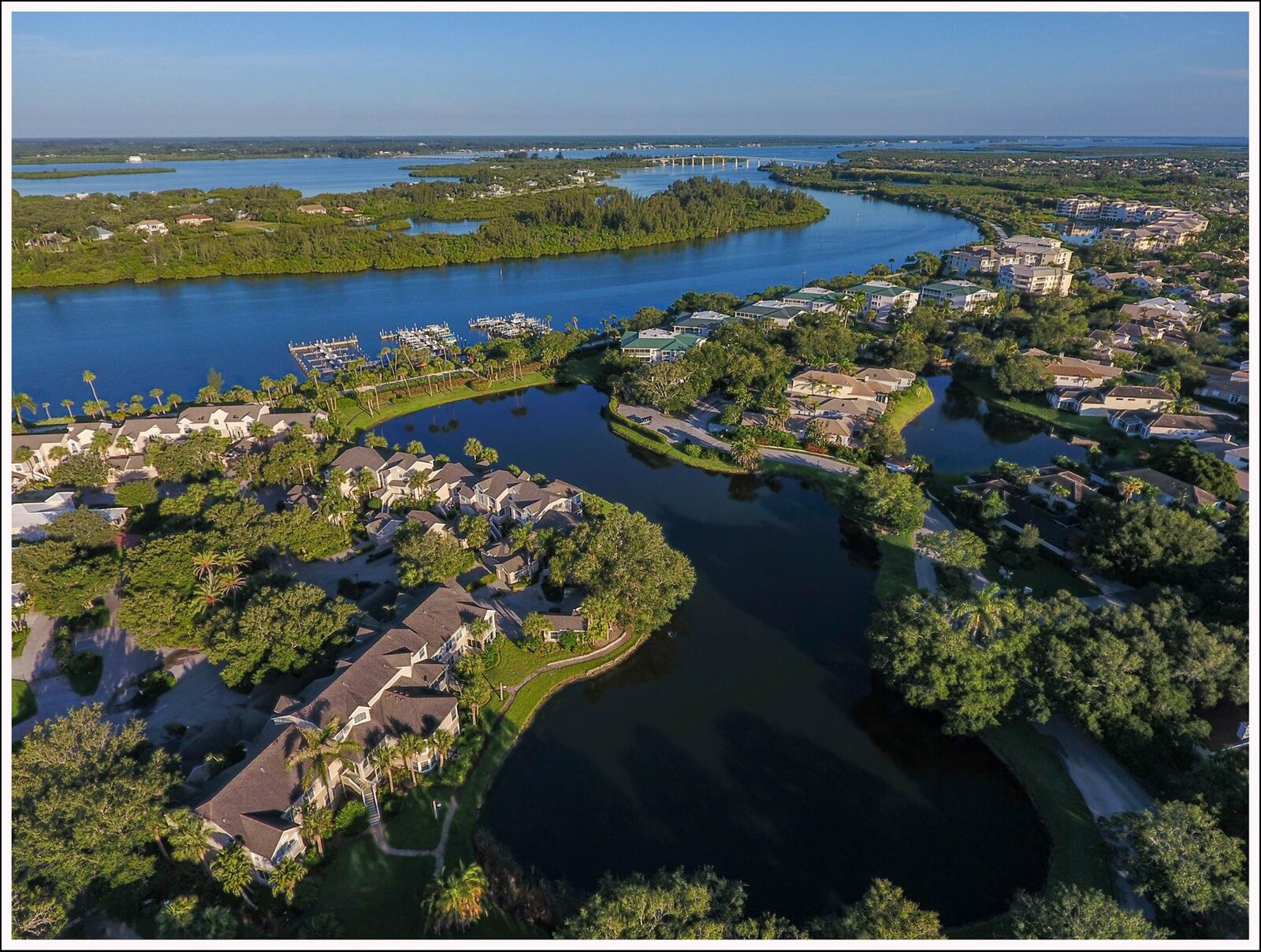
If the tax math explains why families leave New York, the barrier island explains why a growing number of them choose Vero Beach over the more obvious South Florida destinations. The pricing alone reframes the decision: comparable luxury product here runs materially below the Hamptons, Palm Beach, and Naples—you are very often buying more home, more land, and more privacy for less money, in addition to the tax advantage. Indian River County recorded a 62.7 percent all-cash transaction rate, the highest of any metropolitan area in the United States, which tells you who already lives here: deliberate, financially independent neighbors who made this same calculation before you.
And the barrier island offers what the Northeast buyer is actually looking for—not the density and spectacle of Miami, but privacy, space, and pace. Oceanfront and ocean-to-river estates. Championship golf and beach clubs. A nationally recognized medical center, Cleveland Clinic Indian River, minutes away. For a family relocating not just for a season but for the next chapter, that combination is rare, and it is exactly the profile of buyer we spend our days serving.




Search Vero Beach from your kitchen in New York
Our proprietary app—the only luxury real estate app within roughly 100 miles of Vero Beach—puts real-time barrier island listings, saved searches, and a direct line to the team in your hand before you ever board the plane.
The bottom line
Two pending changes—one in Albany, one on Florida's ballot—will not wait for anyone to finish deliberating. The New York proposal may or may not pass; the trend it represents is already clear. The Florida amendment may or may not clear sixty percent; the December 31 residency deadline it carries is a fixed date on the calendar regardless. For a high-net-worth family that has been considering the move, the rational response is not to predict the politics. It is to run the numbers with the right advisors, understand the window, and decide on the family's own terms rather than the legislature's timetable. When you are ready to do that, we are ready to coordinate both sides of it.
Frequently asked questions
What is the proposed New York estate tax change in 2026?
What is the Florida homestead domicile deadline of December 31, 2026?
How much can a New York family save by relocating to Florida?
Why work with Vero Premier Properties for a New York to Florida move?
Run the numbers before the window closes
If you are weighing a move from New York or the Northeast, let us coordinate both sides of it—and connect you to the advisors who get the domicile timing right.
This article is provided for informational purposes only and reflects publicly available information as of June 2026. It is not legal, tax, estate-planning, or financial advice, and should not be relied upon as such; consult a qualified attorney, CPA, or licensed advisor regarding your specific circumstances. The New York estate-tax change described is a proposal that has not been enacted and may not become law. Florida House Joint Resolution 1-F is a proposed constitutional amendment subject to 60% voter approval in November 2026 and is not yet in effect; residency and homestead rules are subject to change. Tax outcomes depend on individual facts. This is not a solicitation of property currently listed with another brokerage. Equal Housing Opportunity.