
The New York City resident evaluating a Florida relocation in 2026 is operating in a materially different tax environment than the one that existed twelve months ago. The pied-à-terre tax — signed into law in May 2026 — imposes an annual levy of up to 6.5% on second homes in New York City valued at $1 million or more. For the owner of a $5 million Manhattan apartment maintained as a secondary residence, that is $325,000 annually, before maintenance, before the mortgage, and before the combined state-and-city income tax burden that already reaches 14.776% for high earners. The financial case for establishing Florida as a primary domicile has never been more specific, more documented, or more immediate.
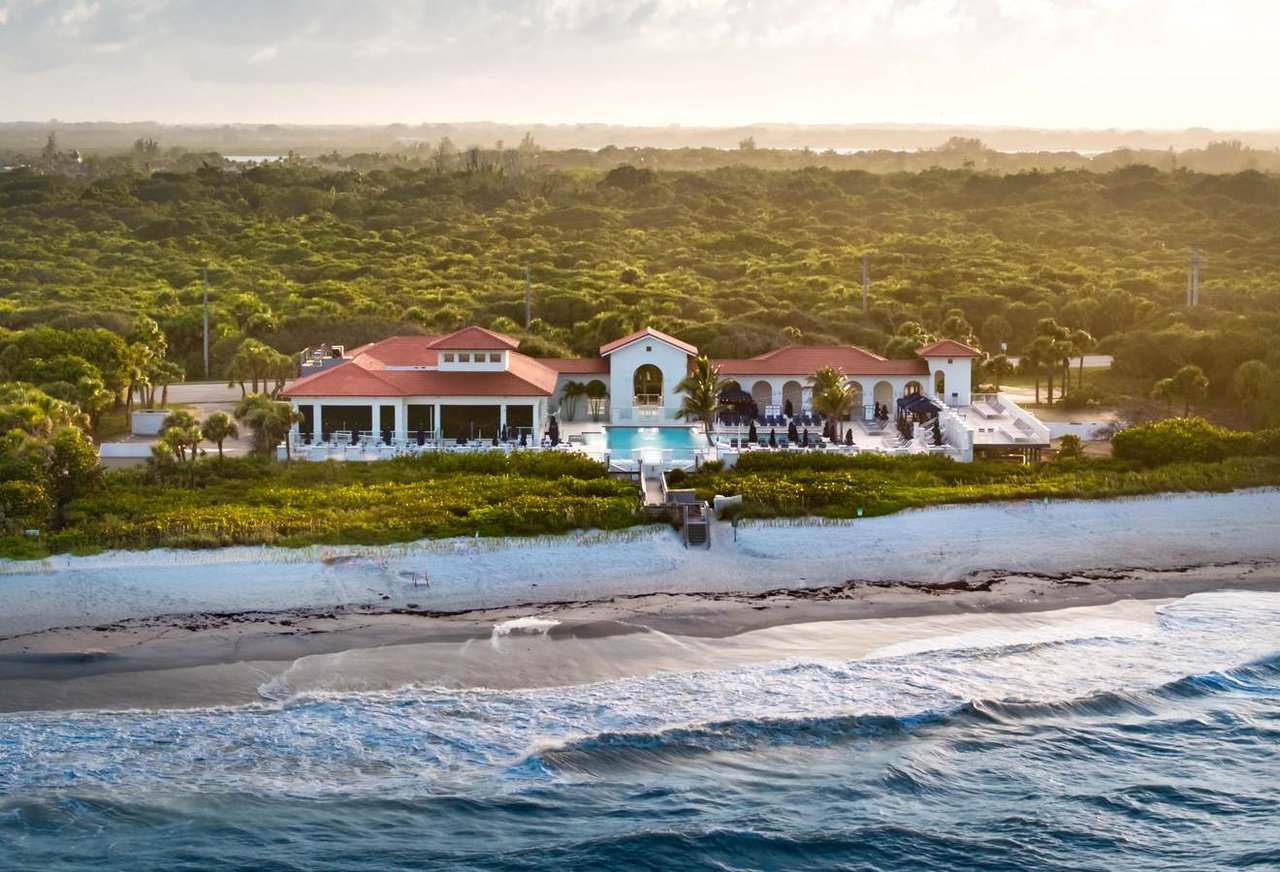
What has not changed is Vero Beach. One hour north of Palm Beach, on an Atlantic barrier island in Indian River County, this community has maintained the low-density, high-privacy residential character it has cultivated for decades — exactly two high-rise buildings on the entire island, height restrictions that have held through multiple development cycles, and a community of significant wealth that does not announce itself. It is precisely the environment that New Yorkers seeking an alternative to the increasingly crowded and costly luxury markets of Palm Beach, Miami, and Naples consistently discover and seldom leave.
This guide addresses everything a high-net-worth New Yorker needs to know — comprehensively, honestly, and in the specific terms that this decision requires.
The New Tax Environment: What New York's 2026 Laws Mean for You
The pied-à-terre tax is graduated and initially assessed on city-assessed values. The rates are as follows: