

The Connecticut buyer evaluating a Florida relocation in 2026 brings a specific reference frame — one shaped by Fairfield County's particular combination of high property taxes, a meaningful state income tax, and the SALT deduction cap that has made the effective cost of Connecticut's tax environment considerably more expensive since 2017. Greenwich, Westport, Darien, New Canaan, Wilton — these are communities where the annual property tax bill on a $3 million home frequently exceeds $30,000, where state income tax at 6.99% on high earners compounds that burden, and where the $10,000 federal SALT cap has eliminated the deduction buffer that once made those costs more manageable. The calculation has been building for years. For a growing number of Fairfield County's most financially sophisticated residents, it has now become specific enough to act on.
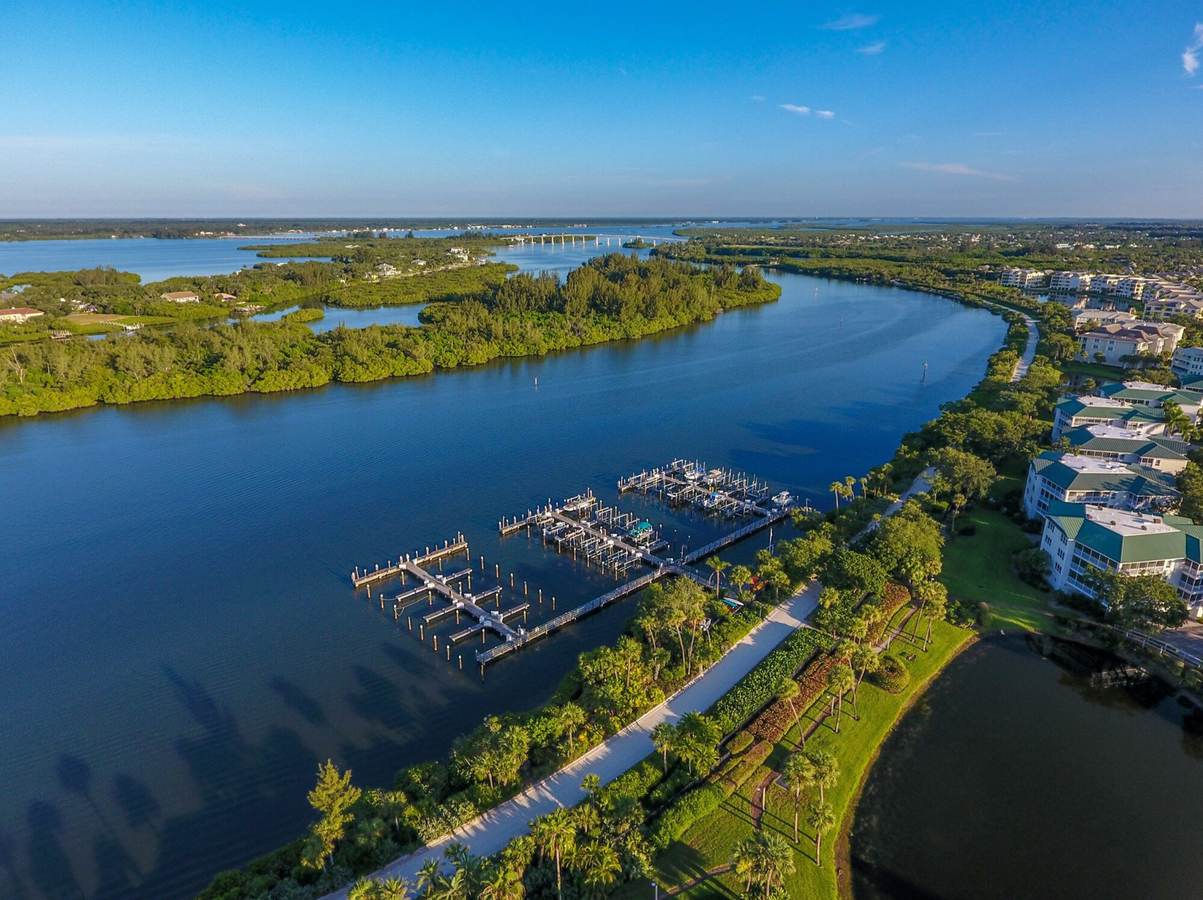
What that action leads to — with increasing frequency — is Vero Beach, Florida. One hour north of Palm Beach on an Atlantic barrier island, Vero Beach occupies a position in the Florida luxury market that resonates strongly with the Connecticut buyer. Like Greenwich or Westport, it is a community that has maintained its low-density, high-privacy character through deliberate policy: two high-rise buildings on the entire island, height restrictions that have held through multiple development cycles, and a community of significant wealth that does not organize itself around visibility. The 62.7% cash buyer rate — the highest in the United States — reflects the deliberate, capital-driven nature of a buyer base that is, in many cases, composed of the same demographic that has defined Fairfield County for generations.
This guide addresses the full transition — taxes, insurance, airports, golf communities, arts, healthcare, and the market itself — in the terms a Connecticut buyer requires.
The Tax Case: Connecticut vs. Florida
Connecticut's income tax operates on a graduated scale with rates reaching 6.99% on taxable income above $500,000 for single filers and $1 million for joint filers. For a high-earning Fairfield County resident, this represents a meaningful annual burden — $69,900 in state income tax on the first $1 million of income before the federal calculation begins. Connecticut's estate tax applies to estates above $13.61 million, matching the current federal exemption, with rates up to 12%. Property taxes across Fairfield County's most affluent communities frequently exceed 1.5% of assessed value — and assessed values in Greenwich, Westport, and Darien have risen substantially in recent years.
The SALT cap is the structural multiplier. Since 2017, the federal deduction for state and local taxes has been capped at $10,000. A Fairfield County homeowner paying $30,000 in annual property taxes and $50,000 in state income tax can deduct only $10,000 federally — losing $70,000 in deductions that were previously available. Florida residents who pay no state income tax face no equivalent loss. The combination of the SALT cap and Connecticut's income tax makes the effective total burden on high-earning Connecticut residents considerably higher than the stated rate suggests.