Conventional housing wisdom holds that when inventory contracts, sales should follow it downward. Fewer listings mean fewer transactions. It is a tidy rule, and for most of the residential market it remains broadly true. Luxury real estate has spent 2026 ignoring it.
Across North America, high-end home sales have continued to climb even as the supply of available listings has thinned. In a growing number of markets, demand is not merely steady against falling inventory — it is outrunning it. The Institute for Luxury Home Marketing, which tracks these segments nationally, frames the moment plainly: luxury demand is no longer governed by the rules that govern everything beneath it.
That is the national story. The more useful question for anyone watching Florida's Treasure Coast is narrower. If affluent demand has decoupled from rates, inventory cycles, and the affordability headlines, where does that decoupling show up most clearly? The answer, repeatedly, is the barrier island.
Why the High End Plays a Different Game
Luxury housing has always behaved differently from the broader market. The distinction is simply more visible now. For most buyers, a home is shelter financed over thirty years, and the cost of that financing dictates behavior. For the affluent buyer, a home is also an asset — a place to preserve wealth, anchor a family, and hold value through uncertainty. When the economic outlook turns cloudy, high-quality real estate tends to become more attractive, not less.
Motivation follows from that. Purchases at this level are driven by confidence, lifestyle, and a long horizon rather than the month's mortgage quote. Buyers relocate for quality of life, acquire a second residence, or reposition capital into something tangible. None of those decisions reverses because a rate ticked up a quarter point.
Nowhere is the rate-insensitive buyer more concentrated than on the Vero Beach barrier island. The data point that matters here is a single number: roughly 62.7% of transactions in this market close all-cash. When nearly two of every three deals carry no mortgage, the financing-cost narrative that dominates national headlines simply does not describe the buyer in the room.
The Barrier-Island Buyer, In Figures
Confidence Is the Asset Class
The resilience of the luxury market traces back to the financial position of the people moving it. These are buyers with substantial home equity, diversified portfolios, business ownership, and the capacity to write a check rather than secure a loan. That capacity is precisely what decouples them from the rate cycle.
It also hands them an advantage the pandemic market denied. Where 2021 forced waived contingencies and same-day decisions, today's buyer has negotiating room, time to evaluate, and relief from the frenzy of competing offers. The affluent purchaser now operates from a position of leverage and patience at once — an unusual and powerful combination.
Demand at this level is no longer a function of rates. It is a function of conviction — and conviction does not refinance.
For the household weighing a move from the Northeast, conviction is reinforced by arithmetic. That arithmetic has a name on this coast.
The Florida Financial Trifecta
When affluent buyers cite wealth preservation as a motive, in Florida that motive is not abstract. It rests on three concrete advantages that, taken together, materially change a household's after-tax position year over year.
The Three Legs
What Actually Moves the Math
- 1Zero state income tax. Florida levies no tax on personal income. For a high earner relocating from a high-tax Northeast state, this single difference can reshape annual cash flow.
- 2Roughly 1% homestead property tax, capped. Florida's Save Our Homes provision limits annual increases in assessed value on a homestead, protecting owners from the runaway reassessments common elsewhere.
- 3Zero state estate tax. Florida imposes no state-level estate tax, a meaningful consideration for families planning the transfer of significant assets.
This is why the broader affordability conversation translates poorly to this market. The relevant calculation for a barrier-island buyer is not the monthly payment. It is the multi-year delta in retained wealth — and on that measure, Florida frequently wins before the property itself is even considered.
A related and time-sensitive development is worth noting precisely. A constitutional amendment, HJR 1-F, passed the Florida Legislature on June 2, 2026 (House 75–26, Senate 30–9) and references a December 31, 2026 residency date. It is not settled law. The measure requires 60% voter approval at the November 2026 election before it takes effect. Buyers contemplating a domicile change should treat the date as a planning horizon rather than a deadline, and confirm the particulars with a qualified tax advisor.
Scarcity Is Not Evenly Distributed
The most important trend of 2026 is one that aggregate inventory figures conceal entirely. Supply is not uniform. The gap between ordinary luxury inventory and genuinely exceptional property is widening, and the two halves are behaving like different markets.
Homes offering privacy, acreage, waterfront, distinctive architecture, wellness amenities, or turnkey condition continue to draw concentrated interest. Properties that lack differentiation — or that are simply overpriced — sit longer and ultimately adjust. A market can therefore look adequately supplied in the aggregate while the inventory anyone actually wants stays scarce.
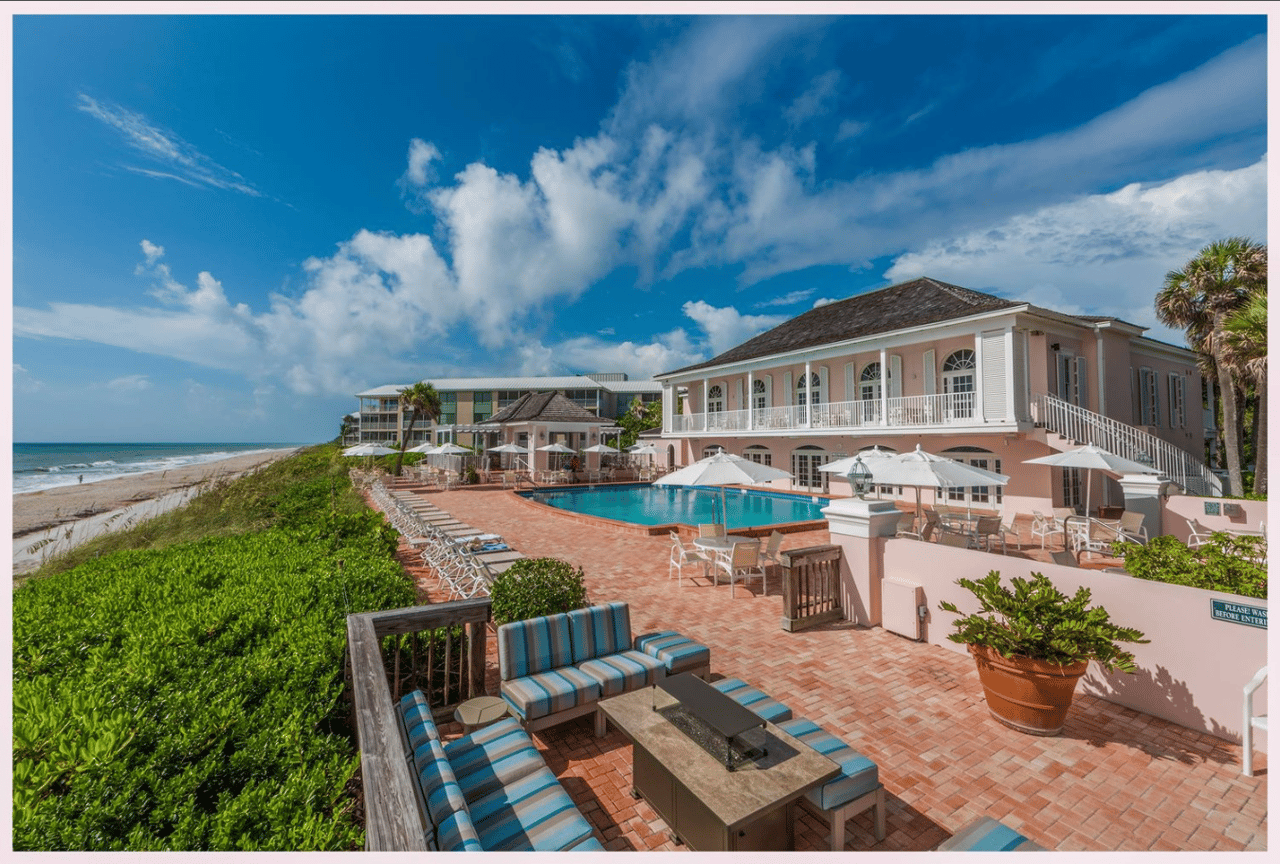
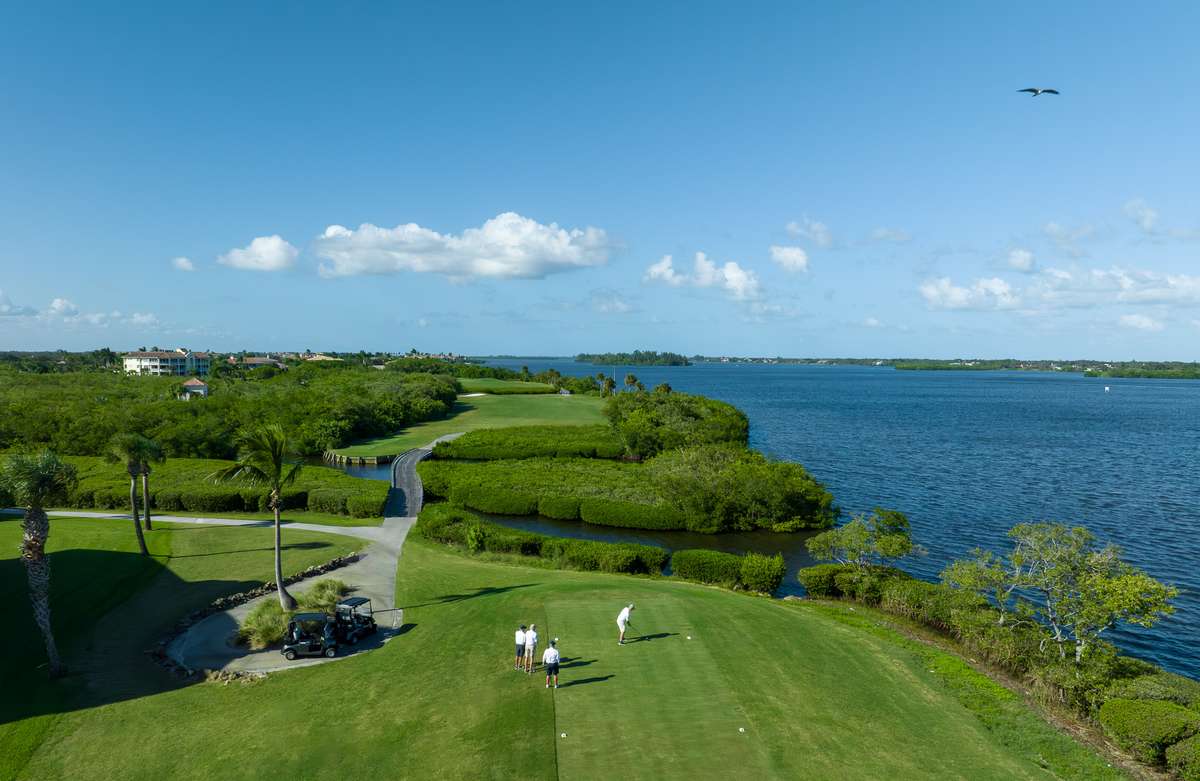
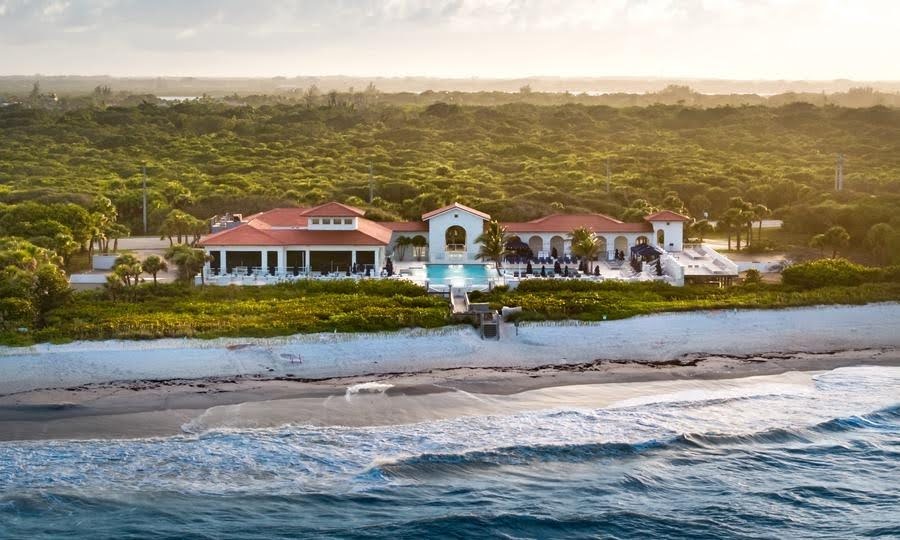
The barrier island is, in effect, a market composed almost entirely of the first category. Behind the gates of John's Island and Orchid Island, much of the most significant inventory never reaches a public portal at all; it moves quietly, off-market, among buyers and agents who already know the territory. In the club communities — Sea Oaks along the Intracoastal, Grand Harbor with its golf and beach club — the supply of oceanfront and deepwater product is structurally finite. There is only so much shoreline, and none of it is being manufactured.
Value, Measured Against the Alternatives
The national data note that exceptional homes hold their pricing even as negotiations grow more balanced; median sold prices continue to trend upward. On the barrier island, that resilience comes with a comparative advantage many buyers underestimate until they run the numbers.
Vero Beach luxury product trades at approximately 66% below comparable pricing in Naples. The fundamentals are not lesser — oceanfront frontage, Intracoastal access, private clubs, the same finite-supply dynamics — but the entry point is materially lower. For a buyer who has decided that the right move is into exceptional Florida real estate, the Treasure Coast offers that decision at a relative discount the Gulf Coast cannot match.
There is only so much shoreline. None of it is being manufactured. That sentence is the entire investment thesis.
What This Means for the Buyer and the Seller
For sellers of genuinely exceptional property, the message is one of strength tempered by precision. Demand for the differentiated home is real and durable — but the market now rewards accurate pricing and punishes the aspirational kind. The premium is reserved for what is truly scarce.
For buyers, the window has a particular shape. Negotiating leverage is better than it was three years ago, and patience is once again permitted. Yet the inventory worth waiting for is the inventory least likely to wait for you. On a coast where the best assets often transact off-market, the advantage belongs to those already positioned — represented, informed, and ready to move on conviction.
The broad housing headlines, in short, have become a poor instrument for reading this market. They measure rates and affordability for a buyer who, here, is largely paying cash and optimizing for something the headlines do not track: retained wealth, finite shoreline, and a life measured in decades rather than monthly payments.
Vero Premier Properties
The exceptional inventory rarely reaches the portals. Position yourself before it moves.
Boutique barrier-island expertise with the global reach of Coldwell Banker Global Luxury — and a Financial Concierge Desk built for the relocating buyer. Explore the market on our app, or speak with us directly.

Questions Buyers Are Asking
Why are luxury sales rising while inventory falls in Vero Beach?
What is the Florida Financial Trifecta?
How does Vero Beach pricing compare to Naples?
Is there really a Florida residency tax deadline?
Ben Bryk
Co-Founding Principal · Vero Premier Properties
A Connecticut native — Old Saybrook — who has lived on the Vero Beach barrier island for more than eighteen years, Ben advises relocating Northeast families with a data-first approach to the Treasure Coast luxury market. Vero Premier Properties is the Signature Division of Coldwell Banker Global Luxury, ranked in the RealTrends Top 1.5% nationally, named among Apple News' Top 10 Most Trusted Realtors in Florida for 2025, and the exclusive Cleveland Clinic Preferred Physician Realtors in Indian River County.
772.713.9455 · floridaeastcoastluxuryhomes.com