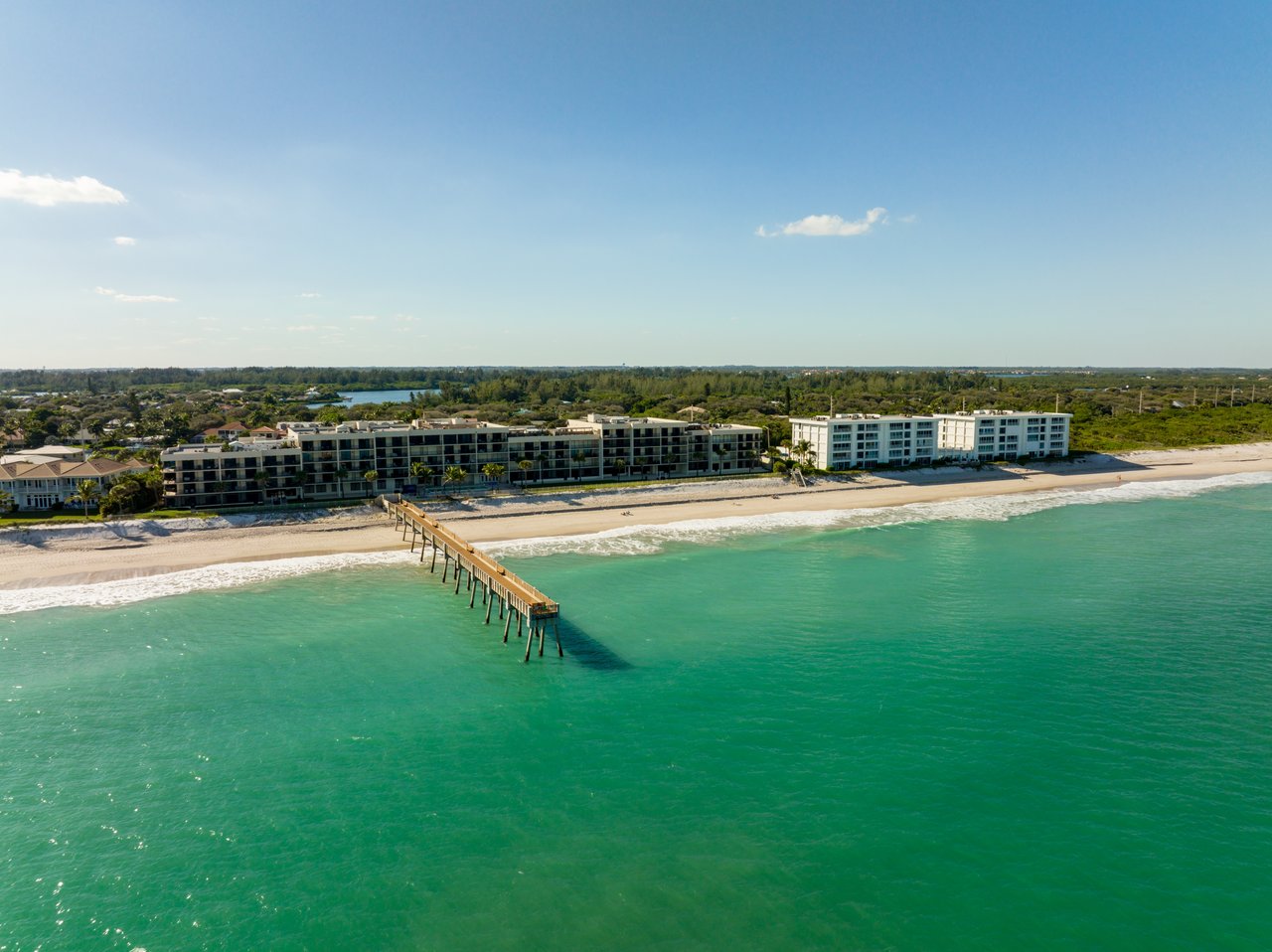
As we kick off the new year here on Florida's Treasure Coast, the latest national economic headlines are buzzing with optimism. The Bureau of Economic Analysis (BEA) just dropped their first estimate for U.S. Gross Domestic Product (GDP) growth in the third quarter of 2025, clocking in at a robust 4.3% above inflation. That's the kind of number that makes investors perk up and headlines scream "boom times ahead." But before we all start planning that next beachfront flip in Vero Beach or a luxury condo upgrade on Hutchinson Island, let's pump the brakes. I've been digging into these figures—drawing from insights like those from economist Brad Case—and there's a smarter way to read the tea leaves, especially when it comes to how this plays out locally.
The GDP Hype: Solid, But Not the Full Picture
Don't get me wrong; 4.3% real growth is impressive. It's a step up from some of the rollercoaster numbers we've seen post-pandemic, where GDP swung from sky-high recoveries to inflation-adjusted slumps. Nationally, this suggests businesses are humming, consumers are spending, and the economy is chugging along. But here's the catch: GDP measures everything—the good, the bad, and the misleading.
Think about it like assessing the health of our local barrier islands. Sure, you could look at total visitor numbers to Hutchinson Island's pristine beaches or Vero Beach's upscale galleries, but that lumps in seasonal tourists, storm disruptions, and even government-funded cleanups after a hurricane. GDP does something similar by folding in:
- Inventory Buildup: Companies might stockpile goods because demand is booming (think more tourists needing sunscreen and surfboards in our area), or inventories could pile up if sales slow (like when a market dip keeps snowbirds away).
- Trade Balance: Exports up? Great if global buyers are snapping up Florida citrus or tech from nearby ports. But imports down? That could signal locals tightening belts on imported luxuries, hurting retailers in Vero Beach's Ocean Drive shops.
- Government Spending: This could be productive, like federal funds for bridge repairs over the Indian River Lagoon, boosting long-term tourism. Or it might spike due to disaster relief after a rough storm season—necessary, but a sign of underlying vulnerabilities rather than strength.
In a place like Vero Beach or Hutchinson Island, where real estate and tourism drive so much of the economy, these extras can distort the view. A national GDP boost might fuel speculation in waterfront properties, but if it's propped up by fleeting factors, we could see bubbles form and pop, just like we did in the mid-2000s housing crash.
The Better Metric: Real Final Sales to Private Domestic Purchasers
Tucked away in the BEA's reports (check line 32 of Table 1 if you're feeling adventurous) is a metric that cuts through the noise: Real final sales to private domestic purchasers. It's a bit of a tongue-twister, but it's gold for understanding true economic health. This focuses purely on what matters most—consumer spending and business investment, adjusted for inflation—without the distractions of inventories, trade, or government outlays.
For Q3 2025, this metric grew at 3% above inflation. That's solid, real progress. Looking back over the past four years (from Q3 2021 to Q3 2025), it's never dipped into negative territory, hovering mostly between 2.0% and 3.4%. In other words, households and businesses have been steadily expanding their spending and investments, even through inflation spikes and rate hikes.
Now, let's spin this local. In Vero Beach, this translates to families confidently buying homes in neighborhoods like Riomar or Orchid Island, or upgrading boats for those Hutchinson Island marina slips. Businesses? Think restaurants on Ocean Drive investing in expansions because foot traffic from affluent retirees and vacationers is reliable. Our area's economy thrives on this private demand—tourism dollars flowing into eco-tours on the Indian River, real estate flips in barrier island enclaves, and investments in sustainable developments to combat sea-level rise. When this metric stays positive, it signals that the core drivers here aren't just riding a national wave; they're building lasting momentum.
What This Means for Vero Beach and Hutchinson Island in 2026
If you're a homeowner, investor, or just someone who loves the laid-back vibe of our Treasure Coast gems, this is encouraging but calls for caution. National GDP might tempt you to overextend that oceanfront lot, but leaning on the "real final sales" metric keeps things grounded. Here's how it shakes out locally:
- Real Estate Resilience: With steady private spending growth, expect continued interest in high-end properties. Vero Beach's median home prices have climbed steadily since 2021, mirroring this metric's consistency. But watch for inventory quirks—if builders overstock amid hype, we could see temporary price dips.
- Tourism and Small Businesses: Hutchinson Island's beaches and state parks draw crowds year-round. Positive consumer trends mean more disposable income for getaways, supporting spots like the Elliott Museum or local charters. Yet, if trade balances weaken (e.g., fewer international visitors due to global slowdowns), our hospitality sector feels it first.
- Investment Opportunities: Businesses here are investing smartly—think eco-friendly resorts or tech-integrated marinas. Government spending on infrastructure (like A1A improvements) is a plus, but it's the private side that's sustaining growth. For 2026, this points to moderate optimism: aim for 2-3% local GDP equivalent, fueled by retirees relocating and hybrid workers eyeing our serene shores.
In short, the big economic data looks good, but don't get carried away. That 4.3% GDP is flashy, but the 3% in real final sales tells a more reliable story of steady, healthy progress. Here in Vero Beach and Hutchinson Island, it's a reminder to focus on fundamentals: strong consumer confidence and business savvy will keep our paradise thriving, storm or shine.
What do you think? Is the local market feeling this national uptick? Drop your thoughts in the comments—I'd love to hear from fellow Treasure Coast residents.
About the Author: Ben Bryk is a luxury Realtor with Vero Premier Properties a signature division with Coldwell Banker Global Luxury
with deep roots in Florida's Treasure Coast, specializing in market trends for Vero Beach and Hutchinson Island. Inspired by economists like Brad Case, I blend national data with local flavor to help you navigate the waves.
Click here to view our luxury real estate website