Boxford, Massachusetts to Vero Beach: What the Town of Horse Farms, Stone Walls, and Settled Land Finds When It Considers the Next Chapter
June 19, 2026
June 19, 2026
There are towns you choose for the commute, and towns you choose for the schools, and then there is Boxford — a town you choose for the land. The stone walls that trace property lines laid down centuries ago. The Powwow conservation trails that run from one horse farm to the next. The 198-acre Windrush Farm, where therapeutic riding has changed lives for decades. Diamond Brook Farm, founded in 1980. The meadows and the fields and the scenic roads that the town has deliberately protected, through its 1996 Master Plan and its Community Preservation Committee, against every pressure to become something denser and less itself.
Boxford is one of the most settled, most land-rooted communities in Massachusetts. Its homes are 96.6 percent detached single-family, 90.1 percent owner-occupied, many on substantial acreage with barns and paddocks and trail access. Its residents have, in many cases, been there for decades — raising children, boarding horses, walking the Willowdale and Cleaveland State Forests through every New England season. This is a community that chose a particular way of living and committed to it fully.
It is also a community at a particular moment. Boxford's median age is 49 — the most settled in this Massachusetts series — and 21.9 percent of its residents are over 65. These are families who have built something substantial on Boxford land, whose children are now grown, and who are, increasingly, thinking about what the next chapter looks like — and about how to protect what they have built when it eventually passes to the next generation.
That is a conversation worth having with precision. Because the numbers, examined plainly, point toward an opportunity that the timing of 2026 makes especially worth considering.
Boxford's character is not an accident of geography. It is the product of deliberate, generational stewardship. When the town published its Master Plan in 1996 — replacing a 1961 plan authored by the renowned landscape architect Charles W. Eliot — it made explicit commitments to preserving farmland, conserving the historic character of its village centers, and protecting the rural quality of its roadside views. The Community Preservation Committee has funded that vision ever since. The result is a town of preserved open space, designated scenic roads, and a working equestrian culture that few communities within 35 minutes of Boston have managed to retain.
The horse farms are the clearest expression of that culture. Windrush Farm's 198 acres, straddling Boxford and North Andover, host one of the most respected therapeutic riding programs in the Northeast. Diamond Brook Farm has boarded horses, ponies, and donkeys since 1980. BARK Meadow Stables welcomes riders from first-timers to advanced equestrians. Several Boxford farms have earned the Massachusetts Farm Bureau's Horse Farm of Distinction recognition. And the Powwow conservation area connects much of it, with trail access directly from horse properties — and, in the warm months, a lake where horses can swim.
This is the Boxford that its families love, and there is nothing about Florida that asks them to stop loving it. The question this analysis examines is narrower and more practical: as the next chapter approaches, what does the financial structure of staying domiciled in Massachusetts cost — and what does an alternative offer?
For a community with Boxford's age profile, the single most consequential financial fact is the Massachusetts estate tax. Massachusetts levies an estate tax on estates valued above two million dollars. That threshold, which can sound substantial in the abstract, is one that a Boxford family reaches without difficulty once the full picture is assembled: the home, the acreage, the barns and equestrian improvements, the investment portfolio, and the retirement assets accumulated across a long and successful working life.
Consider how Boxford land alone has appreciated. The town's median home value rose from $368,100 in 2000 to over $1,000,000 by 2023 — and the larger equestrian estates and acreage properties carry values well above that. A family that purchased land in Boxford decades ago, at a fraction of today's value, may now hold a property whose equity, combined with a lifetime of savings, places the estate comfortably above the Massachusetts threshold.
Florida imposes no state estate tax. None. For a family that has spent a working life building something on Boxford land — and that wishes to pass as much of it as possible to children and grandchildren — establishing Florida primary domicile is among the most straightforward and widely used estate-planning strategies available. It is not a criticism of Massachusetts to observe that its estate tax exists and Florida's does not. It is simply a fact, and at this life stage, it is a fact with real consequences for the next generation.
The Massachusetts Millionaires Tax adds a second consideration. Since January 2023, Massachusetts has applied a 9 percent surtax to income and capital gains above one million dollars in a given year. For the Boxford family in its peak earning years — and 34.7 percent of Boxford residents are in the 45-to-64 bracket — a strong income year, an investment event, or the eventual sale of a long-held, highly appreciated property can cross that threshold. Florida's income tax and capital gains tax are both zero, constitutionally protected.
In June 2026, the Florida legislature passed HJR 1-F, proposing a $250,000 increase to Florida's homestead exemption on top of the existing $50,000 benefit. The measure goes to Florida voters in November 2026.
The key provision: buyers who establish Florida homestead by December 31, 2026 qualify immediately for the enhanced exemption — without the standard five-year waiting period. Florida's Save Our Homes cap then limits annual assessed value increases to 3%, protecting the cost of homeownership from compounding over time.
For a Boxford family at the estate-planning stage, December 31, 2026 is worth marking on the calendar — not as a sales deadline, but as a planning trigger. The decision to establish Florida primary domicile is one that families in this position consider carefully, often over years, with the guidance of estate attorneys and financial advisors. HJR 1-F simply adds a specific and favorable date to that timeline: establishing homestead before December 31 secures the enhanced exemption immediately and aligns the move with the full Florida tax advantage — no income tax, no capital gains tax, no estate tax — from the first day of residency.
The appeal of Vero Beach to a Boxford family is not that it replaces Boxford. Nothing replaces a place where you raised your children and kept your horses for thirty years. The appeal is that it offers the right next chapter for the moment a family reaches when the children are grown, the acreage that was once a joy to maintain has become a year-round responsibility, and New England winters ask more each year than they once did.
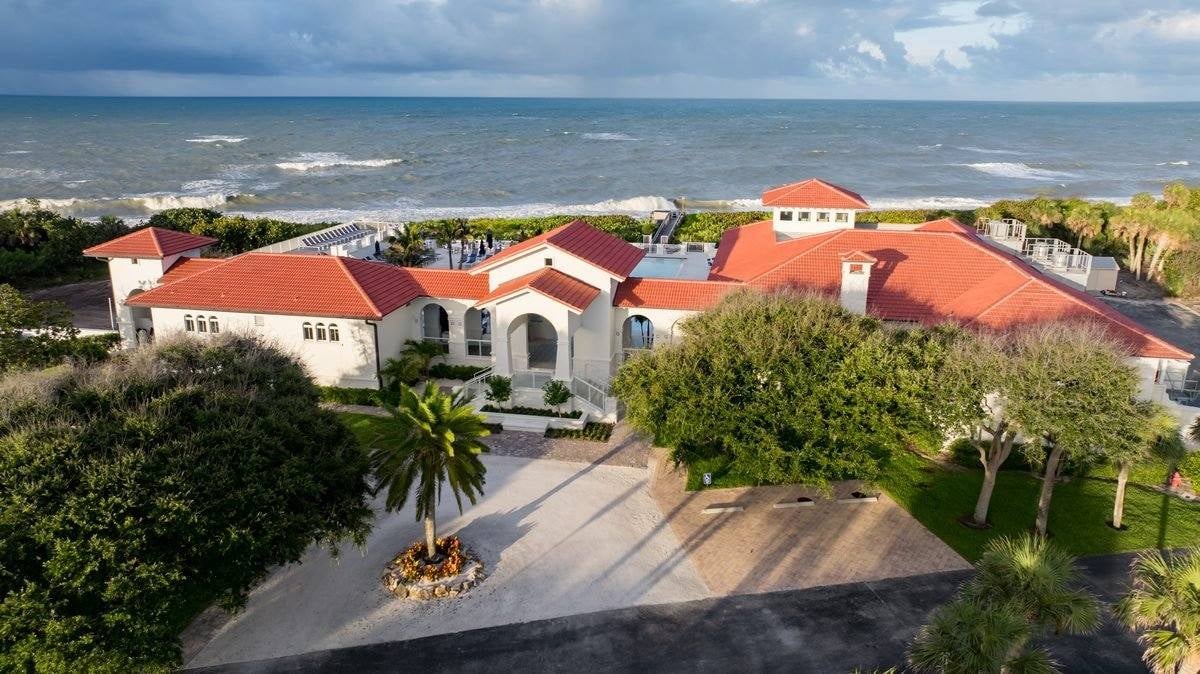
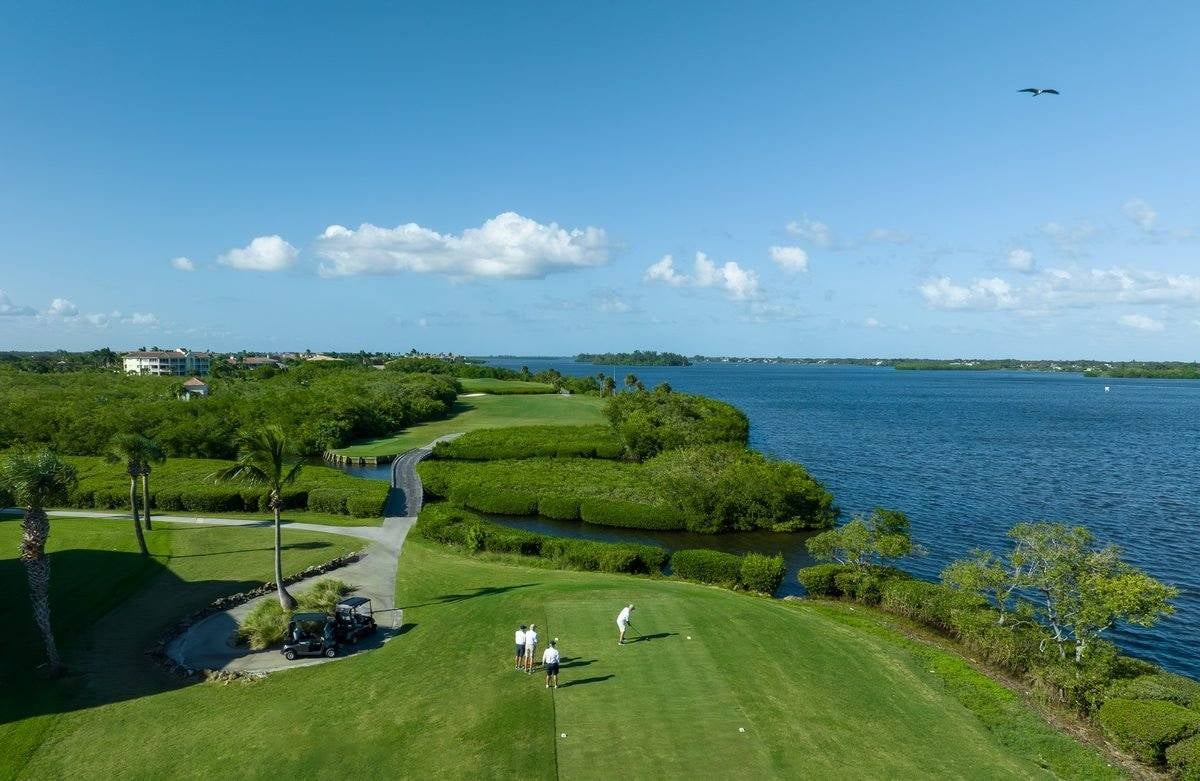
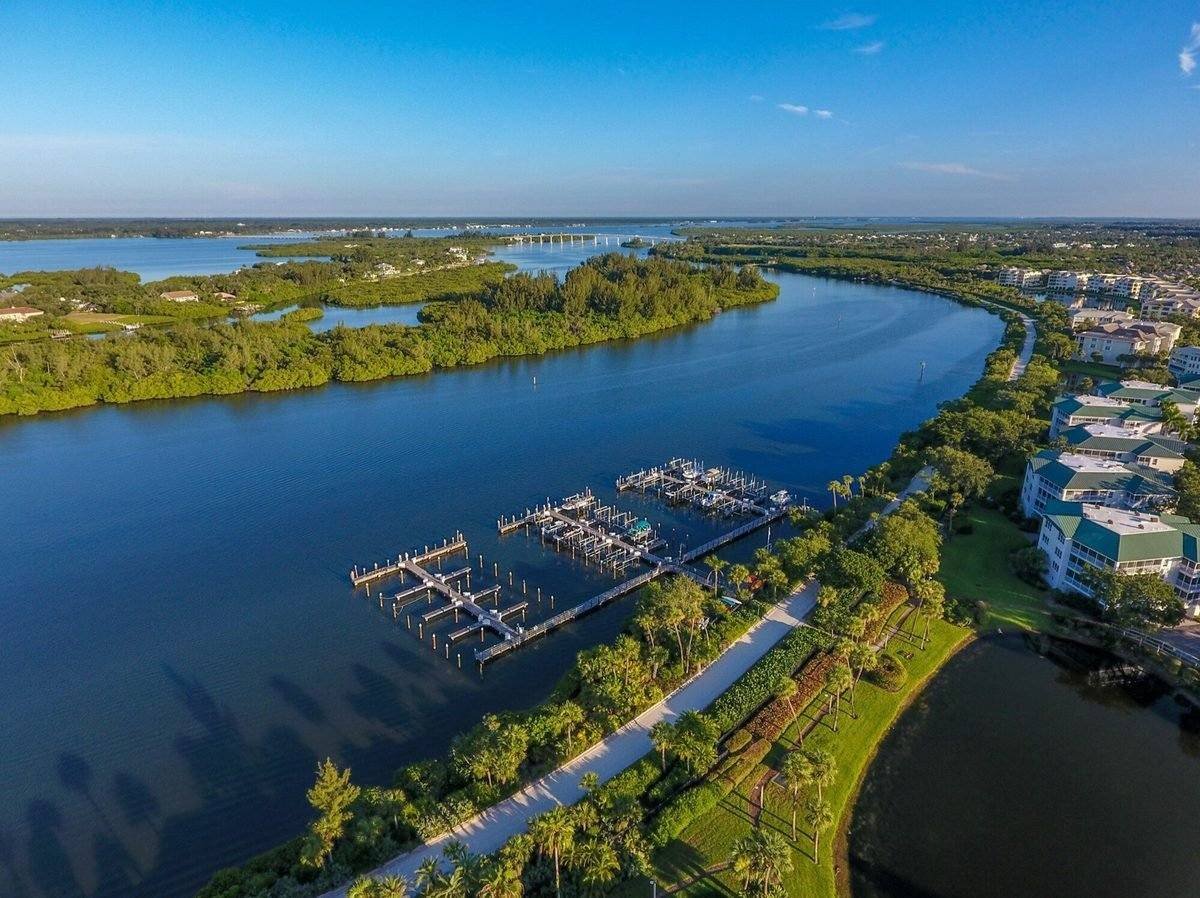
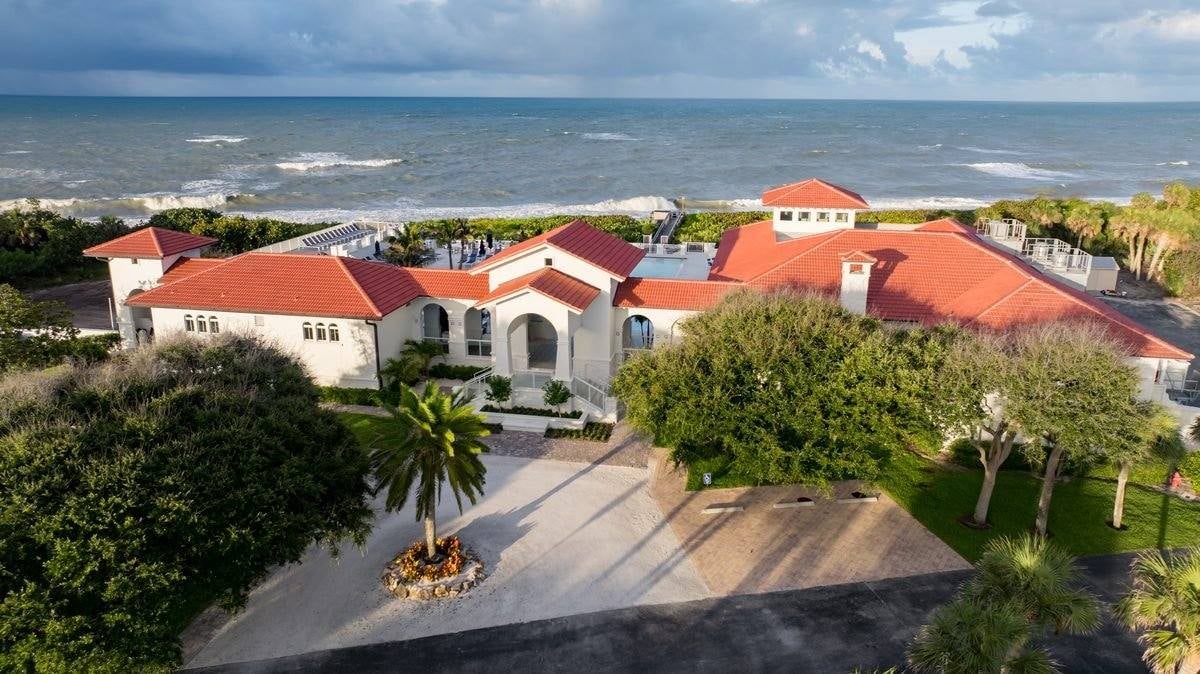
Vero Beach's barrier island delivers what the land in Boxford always provided — privacy, nature, open space, and a deep connection to the outdoors — in a form suited to the next stage of life. Grand Harbor's 750-plus acres on the Indian River Lagoon offer the same sense of protected open space that Boxford's families have always valued, without the upkeep of a working rural estate. The Indian River Lagoon, one of the most biodiverse estuaries in North America, and the adjacent Pelican Island National Wildlife Refuge — the first National Wildlife Refuge in the United States, established in 1903 — extend the conservation ethic that defines Boxford to a warmer latitude. The barrier island permits no high-rise development, preserving its low-density, natural character by ordinance, much as Boxford has preserved its own through its Master Plan.
For families who wish to keep horses, the opportunity continues: Indian River County's mainland, just west of the barrier island, has an established equestrian community with farms and acreage available at a fraction of Boxford-area prices — in a state with no income tax and no estate tax. The equestrian life does not have to end. It can simply continue somewhere warmer, at a lower cost, with a better financial structure beneath it.
And for a community whose median age is 49, with more than a fifth of residents over 65, one amenity matters more than almost any other: world-class healthcare. Cleveland Clinic's medical center on the Treasure Coast sits within roughly 45 to 60 minutes of the Vero Beach barrier island — among the most respected health systems in the country, available close to home. For the Boxford family thinking carefully about the years ahead, that proximity is not a luxury. It is a foundation.
The Vero Beach barrier island's average sale price of $1.99 million as of January through May 2026 represents a step up from Boxford's average assessed value of $1,009,800 — but it is a step that the appreciation of Boxford land has already funded. A family that purchased a Boxford property decades ago, and has watched its value rise alongside the town's median from $368,100 in 2000 to over a million today, holds substantial equity. Repositioned to the Vero Beach barrier island, that equity buys Atlantic oceanfront and Indian River Lagoon frontage in a state that levies no tax on the income, gains, or estate that equity represents.
The barrier island's all-cash buyer rate of 62.7 percent — the highest of any luxury market in the United States — reflects exactly the profile of the established Boxford landowner: equity-rich, often mortgage-free, and not dependent on financing. And at 66 percent below Naples for the same Atlantic barrier island geography, the same low density, and the same finite seven-mile supply with no high-rise permitted, Vero Beach offers the kind of value that careful, long-settled families tend to recognize and appreciate.
Vero Premier Properties operates as a Signature Division of Coldwell Banker Global Luxury — a network reaching more than 40 countries and 60 global markets through the International Luxury Alliance. In Massachusetts, our referral relationships extend to the leading Coldwell Banker offices and their top producers across the North Shore — in Boxford, Topsfield, Andover, Manchester-by-the-Sea, and the surrounding Essex County communities — and to the estate attorneys, trust officers, CPAs, and financial advisors who guide families through exactly the kind of generational planning this analysis describes.
The move from Boxford to Vero Beach is, for many families, a carefully considered transition rather than a quick decision — and it is one we are glad to support at whatever pace suits the family. The coordination typically involves an estate attorney evaluating the Massachusetts domicile change and its effect on estate and income tax exposure; a financial advisor modeling the long-term benefit; a Boxford listing agent who understands the equestrian and acreage market; and a Vero Beach buyer's representative who knows which barrier island communities — and which Indian River County equestrian properties, for families keeping horses — best fit the next chapter. We have guided families through this sequence for decades, and we approach each one with the patience and care it deserves.
The Boxford family that establishes Florida primary residence before December 31, 2026 gains three structural advantages at once — and for a community at this life stage, the order of their importance is distinct.
First, and most significant: the estate tax. Massachusetts taxes estates above two million dollars; Florida does not. For a family whose land, improvements, and lifetime of savings place the estate above that threshold, Florida domicile preserves more of what was built for the children and grandchildren who will inherit it. This is the advantage that matters most to a community whose median age is 49 and whose families are actively planning the transfer of what they have built.
Second: the income and capital gains surtax. The eventual sale of a long-held, highly appreciated Boxford property — combined with investment events in the same year — can cross the one-million-dollar threshold that triggers Massachusetts's 9 percent surtax. Florida's zero rate on both income and capital gains removes that exposure entirely, which can be especially meaningful in the year a family sells the property it has held for decades.
Third: the property tax. At roughly $13,673 per year on the average Boxford home — with assessments up about 7 percent this year — the annual obligation is real and rising. Florida's HJR 1-F enhanced homestead exemption and Save Our Homes 3 percent cap deliver immediate first-year relief and long-term protection against compounding increases. It is the most immediate of the three advantages, and the one felt on the very first Florida tax bill.
Ben Bryk and Vance Brinkerhoff offer confidential consultations for Boxford, Topsfield, Andover, Manchester-by-the-Sea, and North Shore families — and for the estate attorneys, trust officers, CPAs, and financial advisors who serve them — evaluating the Florida Financial Trifecta and the December 31, 2026 HJR 1-F homestead deadline. The conversation is calibrated to the family's estate structure, the timing of a possible move, the option of keeping horses in the Vero Beach region, and the specific barrier island communities that suit the next chapter of a life well-rooted on Boxford land.
Ben Bryk · (772) 713-9455Vance Brinkerhoff · (772) 913-3426floridaeastcoastluxuryhomes.com
Lead Real Estate Agent
Buying a home is a very emotional experience, especially for those who have not done it very often. My experience in sales can help guide buyers with an analytical approach.
Find Your Dream Home
Get assistance in determining current property value, crafting a competitive offer, writing and negotiating a contract, and much more. Contact us today.